
You’ve smelled it before.
That sharp, funky punch in the air near a Myanmar street stall.
Golden crispness. Pungent aroma. Umami-sour tang that sticks to your tongue.
That’s Fry Hingagyi.
Not dried shrimp paste. Not fish sauce. Not some mystery condiment you’re mislabeling in your pantry.
It’s fermented soybean cake. Period.
And frying it changes everything. Texture, depth, heat response, even how it melts into broth or clings to rice.
I’ve tasted it in Yangon alleyways, at Shan State hill markets, in monastic kitchens where monks ferment it for months.
Not once have I seen two versions taste the same.
So if you’re staring at a jar labeled “hingagyi” and wondering why it tastes flat or salty or just wrong (yeah,) you’re not alone.
Does yours dissolve too fast? Smell like ammonia instead of earth and funk? Burn your throat instead of warming it?
Those aren’t quirks. They’re red flags.
This isn’t about theory. It’s about what works in your pan, your pot, your mouth.
You’ll learn how to spot real Fry Hingagyi (no) label tricks, no vendor charm.
How to store it. When to add it. What to never pair it with.
No fluff. Just what I’ve seen, tested, and messed up (so) you don’t have to.
Hingagyi Isn’t Just “Soy Paste”. It’s a Specific Thing
Hingagyi is fermented soybeans, sun-dried and pressed into dense blocks. Aged 3 (6) months in bamboo baskets. Not stirred.
Not pureed. Not jarred.
It’s not belachan. That’s shrimp paste, pungent and oily, used in Malaysian and Thai cooking. Belachan has zero soy in it.
Zero.
It’s not douchi either (those) are whole black soybeans, salted and fermented, but left loose and wet. Douchi tastes sharper, funkier, more one-note.
Hingagyi’s microbes? Wild strains from the Shan hills. Belachan relies on halophiles from seawater.
Douchi uses Aspergillus oryzae (same) mold used in miso. Totally different ecosystems.
Salt content? Hingagyi runs higher. That’s how it stays stable without refrigeration.
Belachan is saltier still. Douchi sits in the middle.
You’ll see “fermented soybean paste” on export labels. That’s lazy. That label could mean hingagyi, doenjang, or even miso.
It tells you nothing.
Real hingagyi has visible bean fragments. A matte, crumbly surface. Never glossy.
Never smooth. If it looks like peanut butter, walk away.
In Shan State, they call it hingagyi. In Ayeyarwady Delta, sometimes kya zan (but) only when it’s made right.
I’ve tasted versions labeled “hingagyi” that were just blended douchi. They’re not the same. Don’t substitute.
If you want to learn how to source real hingagyi, start there.
Then fry hingagyi. Low heat, long time (until) it darkens and smells deep, not burnt.
That’s when it sings.
How Fried Hingagyi Happens. Not Magic, Just Physics
I slice hingagyi into 1/8-inch slabs. No thicker. No thinner.
A ruler helps the first few times. (Yes, I’ve used a ruler.)
Then I lay them on a rack. Not stacked. Not touching.
Air-drying for 2. 4 hours isn’t optional. It’s how you avoid oil splatter and soggy edges.
You think moisture doesn’t matter? Try frying a wet slab. You’ll get steam instead of crisp.
And yes (I’ve) done that too.
Oil temperature is non-negotiable. 325°F. Use a thermometer. Guessing gets you charred outsides and raw insides.
Or worse (greasy,) chewy hingagyi that tastes like regret.
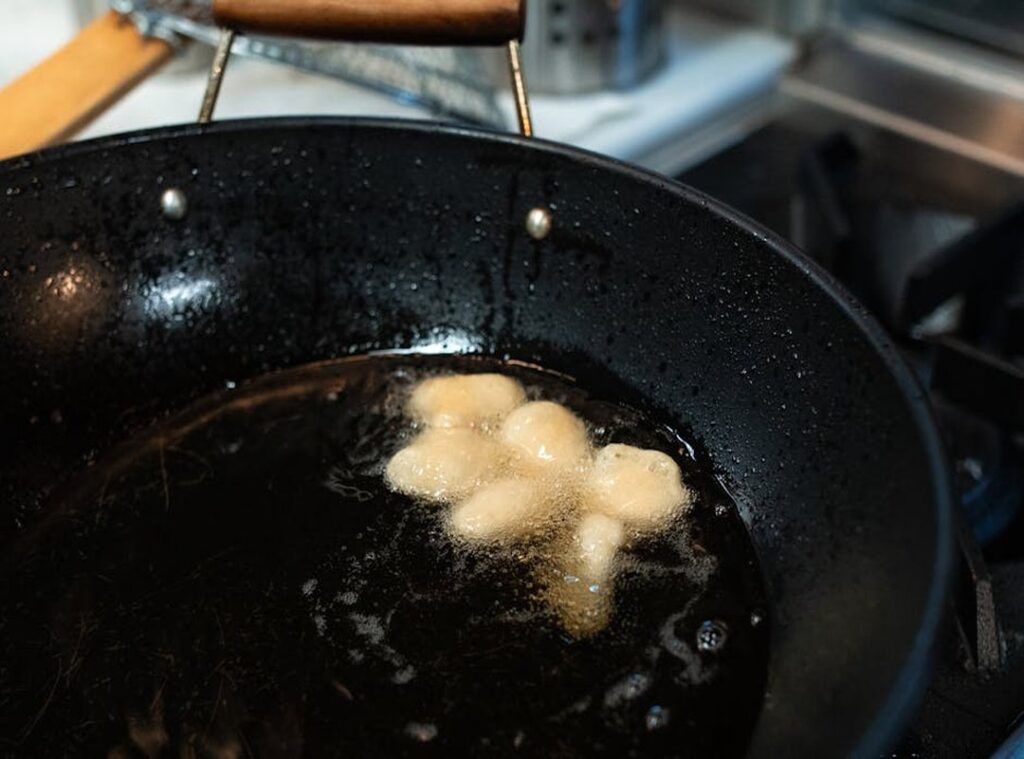
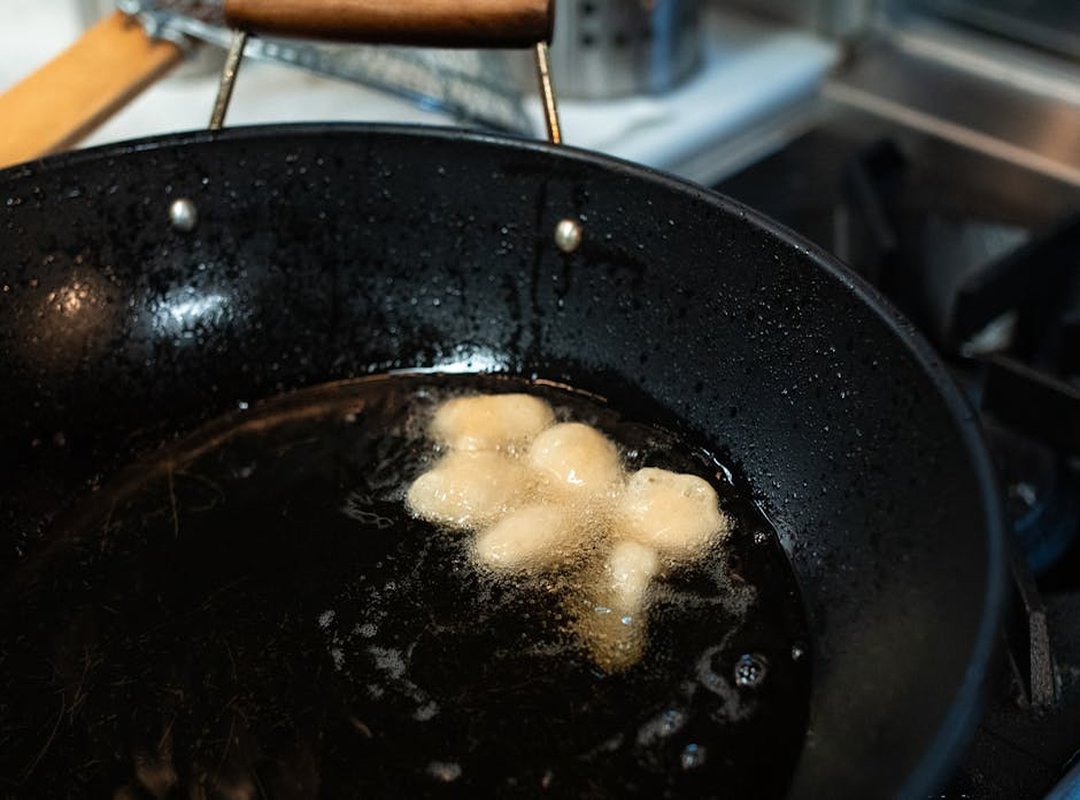
Watch the bubbles. At first they rage. Then they slow.
Edges lift. Curl just a little. That’s your cue.
Golden-brown appears fast. So does the faint crackle sound. Like rice krispies in warm milk.
That’s when you pull it.
Paper towels? Nope. Steam traps there.
Wire rack only. Let air move under and over. This keeps it crisp for hours.
One pro tip: save the oil. It’s now infused with hingagyi’s deep umami. Use it for stir-fries or mix into soy-vinegar dips.
Less salt needed. More flavor earned.
Fry Hingagyi right once, and you won’t go back to store-bought. Because real crisp doesn’t come from a bag. It comes from patience.
And heat control. And not skipping the wire rack.
Where to Buy Real Fried Hingagyi. Not the Fake Stuff
I buy mine from Burmese grocers in San Francisco, Toronto, and London. Not the big chains (the) small ones with handwritten signs and jars stacked three deep.
You’ll see real Fry Hingagyi there. It’s usually in glass jars, refrigerated, with visible bean bits and uneven color.
Etsy works too (but) only if the seller posts batch photos and fermentation dates. No date? Walk away.
(Yes, I’ve done that.)
Avoid anything vacuum-sealed and labeled “ready-to-eat” or “no refrigeration needed.” Real hingagyi ferments. It breathes. It needs cold storage after opening (full) stop.
Here’s how to spot fakes: uniform gray color. No variation. No texture.
If you can’t see whole bean fragments, it’s not real. And if wheat flour or MSG is on the label? Toss it.
Try the snap test: bend a piece. Authentic hingagyi snaps cleanly. If it bends, crumbles, or tears unevenly?
It’s under-dried or stale.
Yoma Foods still makes good stuff. if their current batches match old standards. Check recent reviews before ordering.
I keep my jar in the fridge and use clean chopsticks every time. Cross-contamination kills flavor fast.
The best place to learn what real Hingagyi looks and tastes like? Start there (not) with a random Amazon listing.
You already know which jars look suspicious. Trust that instinct.
Buy small. Taste first. Then commit.
Fried Hingagyi: Your Secret Umami Weapon
I fry hingagyi myself. Not the kind that sits in a jar for six months. Fresh, golden, pungent.
It’s not fish sauce, but it hits like fish sauce.
Crush it fine. Mix with lime juice, palm sugar, and bird’s eye chili. Dip spring rolls in it.
Or drizzle over grilled tofu. You’ll taste the funk, then the sweetness, then the heat. All in under three seconds.
Warm coconut milk wakes it up. Just stir in small pieces off-heat. Let them soften for 90 seconds.
Then fold into green curry. No fishiness. Just deep, rounded savoriness.
Toss crumbled bits over green papaya salad. Or roasted eggplant with tamarind. That salty-crunch contrast?
It’s addictive. And it costs less than a latte.
Grind it very fine. Blend into veggie burger patties or lentil meatballs. It adds meaty depth without mimicking meat.
(Yes, even my carnivore brother asked for the recipe.)
Never drop it into boiling soup. Heat kills the volatile aromatics. Stir it in at the end (off-heat) — like you would fresh herbs.
You’re probably wondering how much to use. Start with 1/4 teaspoon per serving. Taste.
Adjust. It’s strong stuff.
And if you’re watching intake? Check the Calories in Hingagyi before you go wild.
Crisp, Funky, and Ready
You know what matters now. Texture. Aroma.
Not just taste.
Fry Hingagyi right (and) you taste centuries in two slices.
Grab one recipe from section 4. Buy a small block. Fry just two slices.
Test it. Smell it. Listen to the crackle.
Crisp, funky, and deeply rooted (fried) hingagyi isn’t just food. It’s flavor with history.