
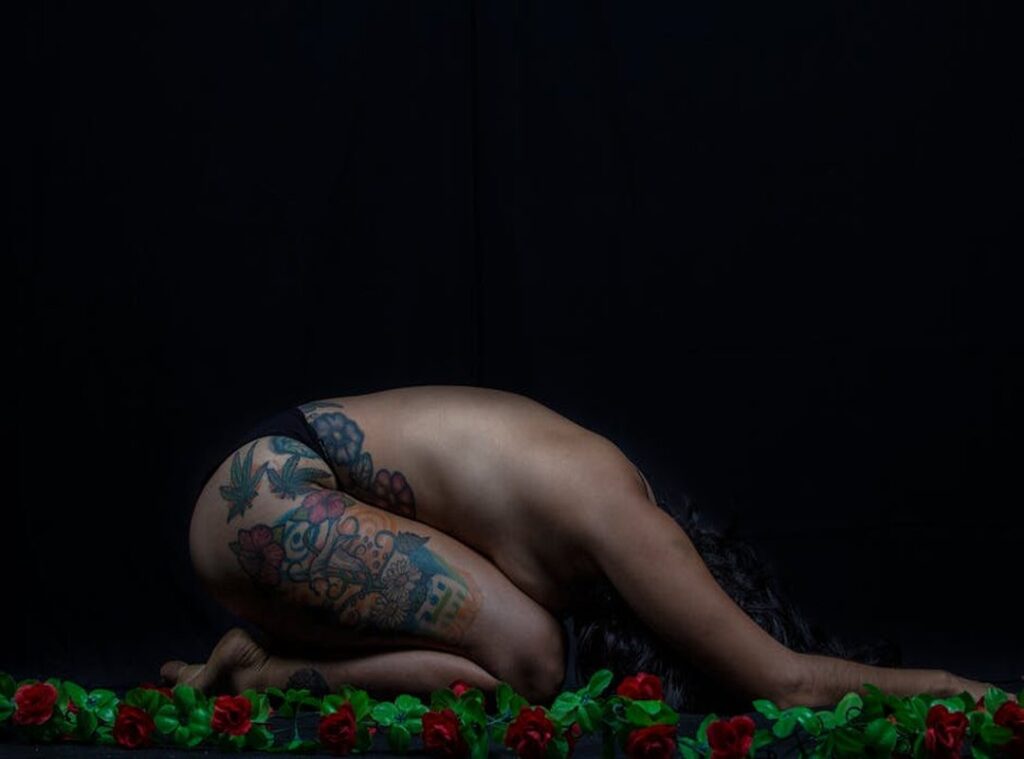
You snap a photo with your phone. It’s nice, sure. But it’s just a snapshot.
Now, think about a photograph that feels like a piece of art. Something that makes you pause and feel something deep inside.
That’s the kind of work ktlordahll nude creates. Her photos aren’t just pretty pictures. They’re intentional, emotional, and captivating.
In this article, I’ll break down what makes her photography so special.
By the end, you’ll have a new appreciation for the art form. You’ll understand what separates a good photo from a great one.
Let’s dive in.
The Philosophy Behind the Lens: Capturing Emotion Over Perfection
I believe in capturing real moments, not just perfectly posed scenes. It’s about the raw, unfiltered emotions that tell a story.
Vulnerability is key. When a subject lets their guard down, it creates a deep connection with the viewer. That’s when the magic happens.
Each photograph explores deeper concepts like identity, memory, or the beauty in imperfection. These themes are what make the images resonate.
The environment and setting are active participants in the story. They’re not just backdrops; they add layers of meaning and context.
Trust and collaboration between the photographer and the subject are crucial. Without that, you can’t achieve those raw, honest images.
Looking ahead, I think we’ll see more photographers embracing this philosophy. People crave authenticity. They want to see ktlordahll nude moments, not just polished perfection.
Photography will continue to shift towards capturing the real, the imperfect, and the deeply human.
Deconstructing the Visual Signature: Light, Color, and Composition
I remember the first time I saw a photograph that truly moved me. It was a simple shot, but the way the light hit the subject made it feel like a masterpiece. Light is everything in photography.
In natural and low-light situations, it can sculpt subjects and create a specific mood.
Take a look at how the light wraps around a person’s face in the early morning. It’s soft, almost ethereal. Or how shadows stretch out in the late afternoon, adding depth and mystery.
These are the moments that make a photo stand out.
Now, let’s talk about color. Some photographers stick to muted, earthy tones. Others go for a desaturated warmth that evokes nostalgia.
I once shot a series in an old, abandoned house. The walls were faded, and the light filtering through the broken windows gave everything a warm, golden glow. It felt like stepping back in time.
Composition is another key element. The use of negative space can create a sense of quiet or isolation. Think of a lone figure standing in the middle of a vast, empty field.
The emptiness around them makes the subject even more powerful.
A shallow depth of field is a technique I love. It draws the viewer’s eye directly to the emotional core of the image. When you blur the background, the focus is entirely on the subject.
It’s like the rest of the world fades away, and all you see is that one moment, that one expression.
Texture and grain add a tangible, timeless quality to digital photographs. I once printed a series of photos on matte paper. The texture of the paper brought out the grain in the images, making them feel more real, more alive.
It’s a small detail, but it can make a big difference.
One of my favorite photographers, ktlordahll nude, uses these elements masterfully. Their work is a perfect example of how light, color, and composition can come together to create something truly special.
Storytelling in a Single Frame: The Art of Visual Narrative
Each image is crafted to feel like a still from a larger, untold story. It invites the viewer to imagine the before and after.
Subtle use of props
Wardrobe
Location
These elements build a world and hint at a character’s backstory without using words. For example, a vintage camera on a table can suggest a love for photography and nostalgia.
Body language and expression are directed to convey complex emotions and narratives. Moving beyond simple smiles, a slight tilt of the head or a furrowed brow can tell a deeper story.
A hand gently touching a windowpane isn’t just a pose. It suggests longing, separation, or a moment of quiet reflection. This narrative depth is a key differentiator in ktlordahll nude artistic photography, turning portraits into compelling character studies.
To create such images, consider the following steps:
– Choose a location that adds context and mood.
– Use props that hint at the character’s life and interests.
– Direct the model’s body language and facial expressions to convey specific emotions.
This approach makes each photograph a rich, layered experience. It’s not just about capturing a moment; it’s about telling a story.
If you’re looking to add more depth to your culinary photography, think about the ingredients and tools that can tell a story. Just like in visual storytelling, small details can make a big difference.
The Influence of Cinematic Portraiture
Cinematic portraiture. Sounds fancy, right? It’s all about making still images look like they’re straight out of a movie.
Dramatic lighting and evocative moods are the key players here.
Think about those indie films or classic cinema where every shot feels like a masterpiece. You know, the ones that make you go, “Wow, that’s beautiful.” That’s the vibe we’re talking about.
When you use this approach, a photograph goes from being just a picture to an immersive experience. It’s like the viewer is stepping into a scene, not just looking at it.
Why does this matter? Well, in a world where everyone with a smartphone thinks they’re a photographer (no offense, ktlordahll nude), standing out is crucial. Cinematic portraiture makes your work memorable and distinct.
It’s not just about taking a good photo; it’s about telling a story. And who doesn’t love a good story?
Developing Your Own Artistic Eye
Recall the core elements: a strong philosophy, intentional use of light and color, and a focus on storytelling. These are the building blocks of ktlordahll nude artistic photography. The true power of this art form lies in the seamless fusion of technical skill and a unique creative vision.
Start noticing these elements in your surroundings, even when you don’t have a camera. Observe how light plays on surfaces, how colors interact, and the stories unfolding around you.
Let this awareness inspire you to not just take pictures, but to create images with purpose and intent.