

Ever had a dish that left you speechless? You can’t quite put your finger on what made it so good. It’s not just salty or sweet.
There’s a depth to it that keeps you coming back. That’s the umami fifth flavor. The unsung hero of taste.
You know that feeling when something just tastes right? Umami is behind that. It’s the savory depth in foods like mushrooms, soy sauce, and aged cheeses.
And it’s what makes a simple meal extraordinary.
But how do you use this magic in your own kitchen? That’s the question we’re answering today. We’ll dive into the nitty-gritty of umami, exploring its roots in global flavors and the science that makes it tick.
I’ve spent years researching this (so you don’t have to), and I promise you’re about to open up a whole new world of flavor. Ready to transform your cooking from good to unforgettable? Let’s get started.
Beyond Salty: Understanding the Savory Fifth Taste
So, what’s the deal with umami? It’s the umami fifth flavor that’s been hiding in plain sight. Imagine biting into a juicy ripe tomato.
That deep, satisfying taste? That’s umami. It’s not just about being salty or sweet.
It’s richer, more complex. It’s what makes a broth feel like a warm hug for your taste buds.
Dr. Kikunae Ikeda discovered this flavor in 1908, linking it to glutamate, an amino acid. It’s that “ah-ha” moment when you realize why certain foods seem to wrap themselves around your soul.
But let’s not get too technical. It’s just a protein source, after all.
Now, how does it stand against the other four tastes? Sweet gives us energy. Sour tells us about ripeness or spoilage.
Salty? That’s all about minerals. Bitter warns of potential toxins.
And umami? It’s the protein source that makes food feel whole. Think of it as the deep bass note that turns a flat song into a symphony.
Ever tried plain broth? It’s like listening to a song without the bass. Add mushrooms or beef, and suddenly, it’s a concert.
That’s umami working its magic. It’s what makes you crave more, a flavor that sticks around.
For those curious about bringing this taste to life, consider sourcing authentic ingredients to raise your dishes. Why stick with the ordinary when you can explore the depths of flavor? Umami isn’t just a taste.
It’s an experience. And isn’t that what we’re all after?
Your Global Umami Pantry: Taste Adventures Await
Let’s talk about umami, the fifth flavor. You know, that savory kick that adds depth to your dishes. If you’re like me, you’re always hunting for that perfect umami hit in your cooking.
So, let’s start on this culinary world tour.
From the sea, it all starts with kombu and katsuobushi. These are the backbone of many Japanese broths. Kombu is dried kelp, and katsuobushi are bonito flakes (yes, those fishy bits that seem to dance over your hot food).
Together, they create a clean and solid umami base. I love adding them to my miso soup because they transform it from bland to bold. And let’s not forget fish sauce and anchovies.
They’re the unsung heroes, adding depth to sauces without overpowering.
Then, there are the earthy delights. Mushrooms like shiitake and porcini are my go-tos. They bring a rich, meaty flavor to vegetarian dishes that might otherwise fall flat.
Ever tried them in a risotto? If not, do it now. Trust me.
Tomatoes also earn their place here. Fresh, canned, paste, sun-dried. Each form concentrates that savory goodness.
If you’re into fermented foods, kimchi’s tang and spice will wake up your taste buds.
Fermentation and aging are magic. Soy sauce and miso paste are staples in my pantry. They add instant umami to any meal.
And don’t get me started on aged cheeses like Parmesan. The aging process boosts the glutamate levels, which means more umami for you. Sprinkle it on pasta, and it’s like a flavor explosion!
Modern twists keep things interesting. Nutritional yeast is a plant-based wonder, giving dishes a cheesy note without dairy. It’s great on popcorn or in vegan sauces.
And black garlic? This sweet-savory delight is perfect for adding complexity without much effort.
Curious about how these ingredients became known as umami? Check out how umami became the fifth taste. It’s a fascinating read.
Stock your pantry with these umami powerhouses. They promise to raise your cooking from ordinary to extraordinary. Ready to give them a try?
Your taste buds will thank you.
Flavor Combo: The Art Of Layering Umami
Let’s talk umami combo. It’s the idea that when you mix umami-rich ingredients, you don’t just add them together (you) multiply their savory power. Ever had a dish that just sang?
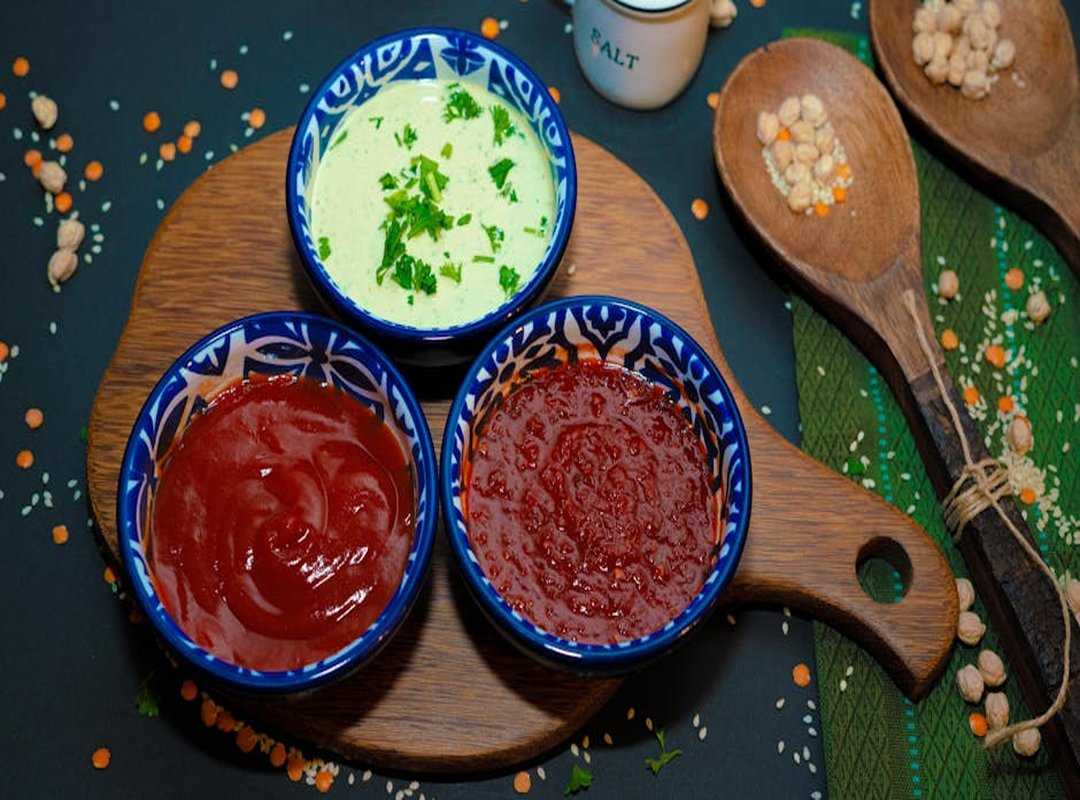
That’s umami combo in action.
So, what’s at play here? Glutamates and nucleotides. Glutamates are your tomatoes, cheese, and soy sauce.
Nucleotides come from meat, fish, and dried mushrooms. When you combine them, they create a flavor explosion.
Take the classic Italian tomato sauce. You’ve got glutamates from the tomatoes. Toss in a parmesan rind or anchovies (inosinate) and bam.
Umami fifth flavor hits you like a freight train. It’s not magic. It’s science.
And yet, it feels magical.
Or think about Japanese dashi. Kombu brings glutamate to the table, while bonito flakes add inosinate. The result?
A broth so deep it could speak to your soul. You don’t need to be a chef to understand this. Just a home cook with a taste for the extraordinary.
Want more proof? Make a beef stew. Use beef for inosinate, add mushrooms and tomato paste (a glutamate and guanylate duo).
What you’ll get is a stew with incredible depth, almost like it cooked itself overnight.
This isn’t about complex recipes. It’s about smart pairings. And with minimal effort, you can achieve flavors most people only dream of.
Curious about the “Rise Of Fermented Foods Worldwide”? Check this out. It’s a new chapter in flavor evolution, just like umami combo.
Try it. Your taste buds will thank you.
Bring Umami Home: Three Ways to Amp Up Your Meals
Let’s cut straight to it. You want to bring some of that umami fifth flavor magic to your kitchen, right? Here’s a toolkit that’s as simple as it gets.
Technique 1: The Savory Sear. Ever noticed that deep, delectable taste when you brown meat or veggies? That’s the Maillard reaction doing its thing.
You’ll thank yourself for adding a splash of soy sauce or a pinch of mushroom powder at the last moment. Who knew science could taste so good?
Technique 2: The ‘Umami Bomb’ Paste. Combine equal parts miso paste, tomato paste, and finely minced garlic or anchovy. Keep this powerhouse in your fridge.
Toss a teaspoon in soups or pasta sauces, and watch your dishes level up instantly. Seriously, it’s like hitting fast-forward on flavor.
Technique 3: The Finishing Touch. Don’t underestimate this. Grate parmesan over your pasta, sprinkle nutritional yeast atop your popcorn, or add a few drops of high-quality fish sauce to your vinaigrette.
These little touches are game-changers (and your guests will notice).
So there you have it. Three straightforward techniques to bring umami into your everyday meals. Why miss out on the fifth flavor when it’s this easy to incorporate?
Get cooking.
Taste Beyond Ordinary
Ever feel like your food is missing that wow factor? The secret’s in the umami fifth flavor. Dive into it.
This week, add one new umami ingredient to a dish you know well. See how it transforms. Simple, right?
Start now and taste the difference. Ready for unforgettable flavors?