
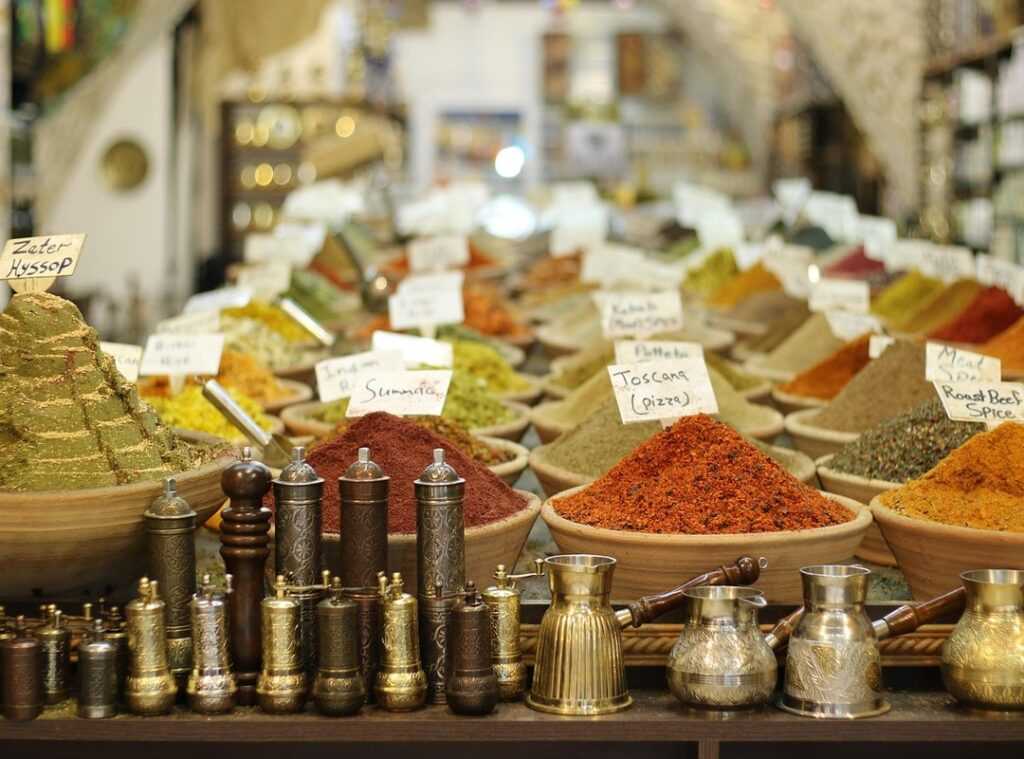
Imagine stepping into a bustling souk, where the air is rich with the scent of toasted cumin, earthy sumac, and fragrant cinnamon. It’s intoxicating, isn’t it? Yet, when you’re home, those same aromas seem hard to find.
Why is cooking with Middle Eastern spices so daunting? Many home cooks share this frustration, craving authentic flavors but unsure of where to start. Trust me, I’ve been there too, grappling with the complexities of ancient blends.
I’ve spent years exploring global culinary traditions, perfecting these spice combinations in my own kitchen. You’re not just going to learn the names of these blends. You’ll get their very essence.
By the end of this article, you’ll transform ordinary meals into extraordinary experiences, filling your kitchen with the soul of the Middle East. Ready to dive in?
The Aromatic Foundation: Spice Notes that Sing
Before you mix up those exotic blends, let’s get to the heart of what makes flavors unforgettable: the core spices. You know, the ones that give Middle Eastern dishes their soul.
First up, Sumac. It’s a deep red wonder with a lemony tang that slices through richness like a hot knife through butter. Its lively color alone makes my mouth water.
Then there’s Cumin, the unsung hero. Toast it a little and you’ll unleash a warm, earthy aroma that’s as comforting as an old sweater. It’s the backbone of many blends and deserves a spotlight.
Coriander is a bit of a chameleon, isn’t it? In seed form, it’s warm and citrusy, but grind it up, and it becomes magic in your spice rack. Ever tried it with fresh cilantro?
A revelation.
Next, Cardamom. Intense and aromatic, it teases your senses with pine, mint, and citrus notes. Green cardamom is sweet and floral, while black is smoky and bold.
Finally, Allspice. Misleading name, right? It’s like cinnamon, nutmeg, and cloves had a warm, sweet-spicy baby.
Perfect for cozy dishes.
Curious about sourcing authentic ingredients? This is where you’ll find the secrets to these important flavors.
The Iconic Blends: Za’atar, Baharat, and Ras el Hanout
Za’atar: The Herbaceous & Nutty Powerhouse
Za’atar is more than a spice blend. It’s a sensory journey. The wild thyme hits you first, a green aroma that feels almost like a walk through a sunlit garden.
Then there’s the crunch of toasted sesame seeds. Hard to miss. Sumac adds a zesty twist, like a citrusy wake-up call.
Sprinkle it over labneh with olive oil, and you’ve got a flavor explosion. Baked into flatbreads like man’oushe, it’s unbeatable. Imagine encrusting roasted chicken with this: the crispy skin, the earthy aroma.
It’s bliss in every bite.
Baharat: The Warm & Versatile Heartbeat
Baharat literally means ‘spices’ in Arabic. Simple, right? But don’t let that fool you.
It’s a warm, sweet-yet-savory mix that varies by region. Commonly, it includes black pepper, paprika, cinnamon, and cloves. It’s like the essence of a cozy evening.
Use it as a rub for lamb, and suddenly your kitchen smells like a Middle Eastern bazaar. Stir it into lentil soup, and it gives everything depth. A seasoning for kofta?
Say no more. It’s the heartbeat of many dishes and a must-have for anyone interested in Middle Eastern spices.
Ras el Hanout: The Complex & Regal Medley
Ras el Hanout translates to ‘head of the shop.’ The best spices a merchant can offer, and it shows. Often containing over a dozen spices, it’s complex. A real medley.
You might even find floral notes like rosebuds or lavender. Dreamy, right? Add it to tagines, and you’ve got a dish fit for royalty.
Couscous becomes an aromatic wonder. And stews? Rich, deep, unforgettable.
For those who want to dive deeper into these blends, this resource has you covered.
Venturing Deeper: Discovering Regional Treasures
Let’s talk Middle Eastern spices. They’re the unsung heroes that make dishes sing. You think you know them, but have you met Advieh?

It’s the fragrant soul of Persian cuisine, delicate yet solid. Imagine dried rose petals mingling with cardamom and cinnamon. It’s like a warm hug on a chilly night.
This blend balances savory dishes perfectly. Sprinkle it on rice pilafs or let it flavor your stews. Grilled meats?
They love a dusting of Advieh.
Then there’s Hawaij, the bold soul of Yemeni cooking. Not the sweet one for coffee, but the savory powerhouse. It’s golden, thanks to turmeric, with black pepper and cumin playing backup.
Stir it into chicken soup, and you’ll never look back. Or let it work its magic on slow-cooked meats and vegetable stews. It’s like finding a hidden gem in your spice cabinet.
Aleppo Pepper, though technically a single pepper, acts like a blend. It’s fruity and mildly spicy, with a tangy, slightly smoky profile. The heat builds slowly, unlike harsh chili flakes.
Its deep red, oily flakes are as beautiful as they are tasty. Sprinkle them over eggs, avocado, or roasted vegetables. Hummus loves it too.
These spices are your ticket to going off the beaten path. They offer unique, competitive value in the kitchen. Want to explore more?
Consider how you might use exotic fruits in cooking. The possibilities are endless.
So, are you ready to let these hidden treasures transform your meals? I say dive in. Your taste buds will thank you, and your kitchen might just become your favorite place.
Pro tip: Always keep these spices on hand. They’re game-changers, and once you start using them, you’ll wonder how you ever cooked without them.
From Pantry to Plate: Spice Blend Mastery
Spices. They’re the secret weapon in your cooking arsenal. Ever tried Middle Eastern spices?
They take your dishes from bland to brilliant. You might be wondering, where do I start? Let’s dive into practical pairings.
Quick Pairing Guide
- For Roasting Vegetables (Carrots, Cauliflower): Baharat or Ras el Hanout.
- For Grilling Chicken or Fish: Za’atar or a sprinkle of Sumac.
- For Hearty Soups & Stews: Hawaij or Baharat.
- For Finishing Dips & Salads: Za’atar or Aleppo Pepper.
These are just starting points. Trust your taste buds.
Now, let’s roll up our sleeves. You’re going to DIY your first simple blend: a basic Baharat. It’s surprisingly easy.
Gather these pantry staples: paprika, cumin, coriander, black pepper, and cinnamon. Toast the whole spices first. (Ever noticed how a little heat unlocks their aroma?) Then, grind them. Blend, taste, adjust.
Done.
Pro tip: Experimentation is key. Think of it like finding your own rhythm in jazz. Tweak quantities to suit your palate.
Too spicy? Dial it back. Too bland?
Add more. You control the flavor.
Cooking with spices isn’t just about following recipes. It’s about creating. Mixing.
Tasting. Finding the perfect balance. That’s where the magic lies.
Ready to transform your cooking? I bet you’ll never look back.
Spice Up Your Kitchen
Middle Eastern flavors don’t need to be daunting. They’re your ticket to authentic culinary experiences at home. Remember when creating those genuine tastes felt out of reach?
You now know that by understanding the core spices, like Middle Eastern spices, you can cook with confidence.
Why wait? Pick a blend this week, dive into a recipe, and let these spices transform your meals. Don’t just dream about those lively dishes.
Make them happen.
Ready to raise your kitchen? Start today. Explore, taste, and enjoy the journey.
Open up the power of these flavors and savor the difference.