

Rising grocery prices are making it harder than ever to keep your food budget in check—but smart strategies can make a real difference. This guide is designed to help you take control of your spending with practical, proven methods that don’t compromise taste or nutrition. Instead of vague advice, you’ll find actionable steps, from smarter shopping habits to efficient cooking techniques that stretch every ingredient further. With these budget meal planning tips, you’ll reduce food waste, maximize every dollar, and create satisfying, affordable meals your household will look forward to each week.
The 15-Minute Weekly Plan That Saves Hundreds
The single most effective way to cut food costs is surprisingly simple: create a weekly meal plan. Some people push back on this. They say planning kills spontaneity or that life is too unpredictable to map out dinners in advance. Fair. No one wants to schedule tacos like a board meeting. But here’s the reality: a loose 15-minute plan saves far more than it restricts (and you can always swap Wednesday’s pasta for Thursday’s stir-fry).
Step 1: Shop Your Pantry First. Before writing a single item down, check your refrigerator, freezer, and pantry. “Shopping your pantry” means using what you already paid for. That half bag of rice and frozen veggies? Dinner. Food waste costs the average U.S. household about $1,500 per year (USDA). That’s not pocket change.
Step 2: Theme Your Nights. Assign simple themes:
- Meatless Monday
- Taco Tuesday
- Soup & Sandwich Saturday
Themes reduce decision fatigue—a psychological term for the mental drain caused by too many choices.
Step 3: Build a ‘Living’ Grocery List. Keep it on your phone and update it throughout the week. These small budget meal planning tips compound fast. Pro tip: never shop hungry (your cart will betray you).
Your Grocery Store Game Plan: How to Shop Smarter
A brilliant meal plan can fall apart the moment you grab a cart without a strategy. After all, grocery stores are engineered for impulse buys (those end-cap displays aren’t there by accident). So let’s talk about shopping smarter—not just cheaper, but better.
Rule #1: Never Shop Hungry.
This isn’t folklore; studies show hunger increases impulsive, high-calorie purchases (Journal of Marketing Research). In other words, that “just one bag” of chips multiplies quickly. Eat first. Shop second.
Rule #2: Embrace Store Brands.
Store brands—products manufactured for retailers and sold under their label—are often produced in the same facilities as national brands. The difference? Marketing costs. For staples like pasta, canned tomatoes, and milk, the quality gap is usually negligible. The savings, however, add up fast.
Rule #3: Master Unit Pricing.
Unit pricing is the cost per ounce, pound, or item listed on the shelf tag. Surprisingly, bigger isn’t always cheaper. Compare the unit price, not the package size. (Yes, even if the “family size” looks like a deal.)
Rule #4: Shop Seasonally.
Produce in season is more abundant, which lowers prices and improves flavor. Strawberries in June? Sweet and affordable. In December? Not so much. Check local flyers before you go.
Here’s what most guides miss: layout awareness. Essentials like dairy and eggs sit at the back so you walk past temptations. Counter this by following a tight list built around budget meal planning tips.
Some argue spontaneous shopping sparks creativity. Fair—but discipline funds experimentation later.
Building Your Budget-Friendly Pantry: Ingredients That Work Harder
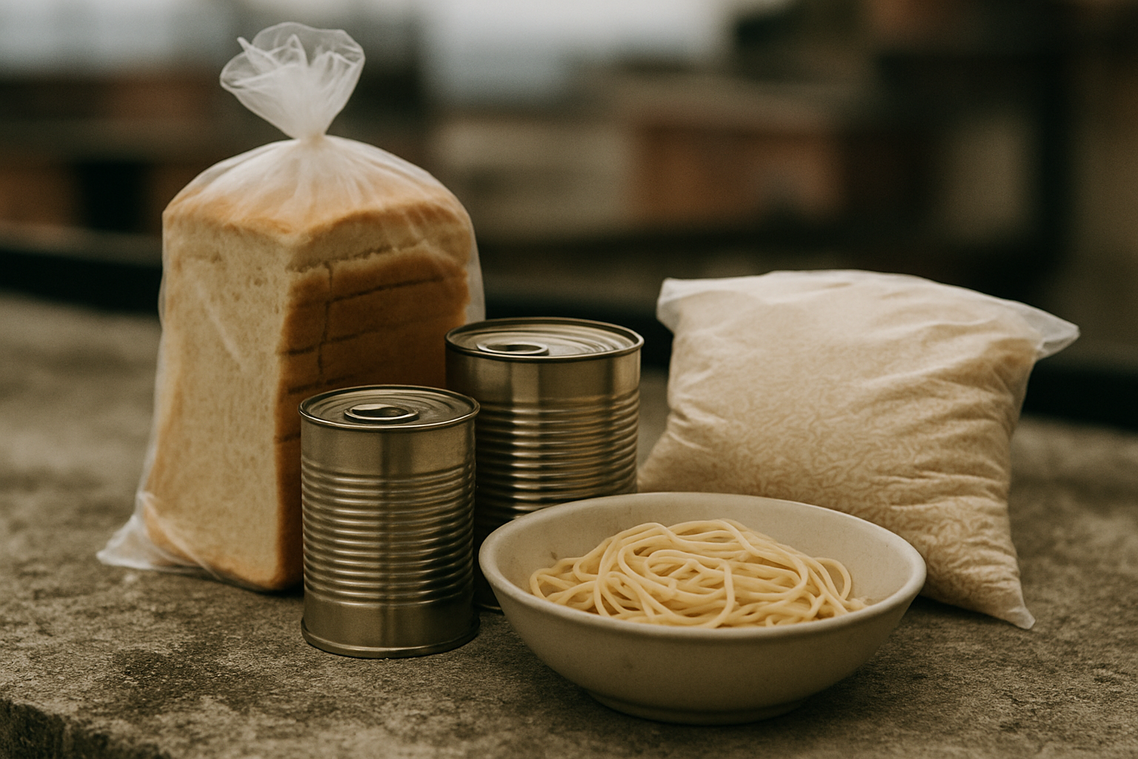
Stocking your kitchen with versatile, low-cost staples is the secret to creating a variety of affordable meals.
Affordable Proteins: Prioritize plant-based proteins like lentils, chickpeas, and black beans. Eggs are another nutritional powerhouse. For meat, choose less expensive cuts like chicken thighs over breasts and ground turkey over ground beef.
Versatile Grains: Whole grains like oats, brown rice, and barley are filling, healthy, and incredibly inexpensive. They can form the base of countless meals.
The Frozen Food Advantage: Frozen fruits and vegetables are picked at peak ripeness and flash-frozen, locking in nutrients. They are often cheaper than fresh and prevent food waste since you only use what you need.
Think of your pantry as a supporting cast that works overtime (without demanding a trailer). Canned tomatoes transform into pasta sauce, shakshuka, or soup. A bag of rice plus beans becomes burrito bowls, stir-fry, or a last-minute casserole. These are budget meal planning tips that stretch flavors without stretching your wallet. When you double recipes, stash extras and revisit batch cooking 101 saving time with smart prep for game plans that make weeknights feel. Pro tip: toast grains before boiling for flavor.
Kitchen Techniques That Maximize Every Ingredient
How you cook matters just as much as what you buy. In other words, technique turns groceries into strategy (and strategy saves money).
First, cook once, eat twice. This simply means doubling a recipe so one cooking session yields multiple meals. For example, a big pot of chili becomes tonight’s dinner and tomorrow’s lunch. You can even freeze portions for later, which prevents last‑minute takeout runs. Think of it as future-you saying thank you.
Next, repurpose leftovers creatively. Leftover roasted chicken isn’t “old food”; it’s a base ingredient. Transform it into tacos, chicken salad, or pizza toppings. Stale bread? Toast it into croutons or blend into breadcrumbs. This is a core idea behind budget meal planning tips: stretch ingredients across several meals without feeling repetitive.
Finally, try a “use-it-up” meal once a week. A frittata, stir-fry, or kitchen-sink soup (yes, like something from a cooking competition show) pulls lingering ingredients together before they spoil.
Your Path to Delicious, Debt-Free Dinners
You came here looking for a realistic way to lower your grocery bill without sacrificing flavor—and now you have it. With the right budget meal planning tips, smarter shopping strategies, and waste-cutting cooking habits, you can finally stop feeling stretched every time you check out at the store.
Rising food costs are frustrating, but staying stuck in overspending is worse. The good news? You’re no longer guessing—you’re equipped to act.
Start this week. Choose two strategies, put them into practice, and track your savings. Thousands rely on our trusted guidance to simplify meal planning and cut costs. Take control of your food budget today and make every dinner both delicious and debt-free.