
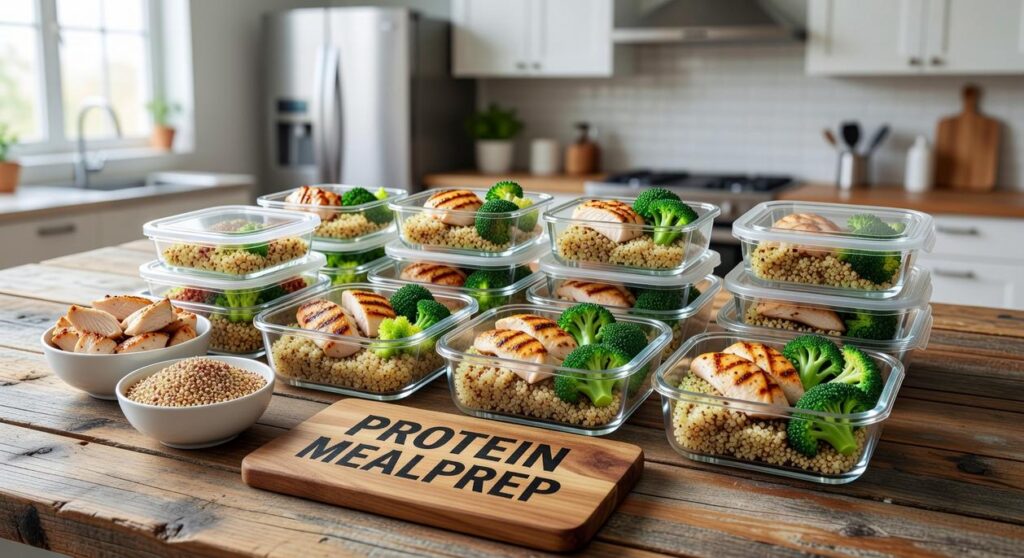
If you’re searching for practical, flavorful ways to make high protein meal prep part of your routine, you’re likely looking for more than just a list of recipes. You want meals that are satisfying, easy to prepare, rooted in real culinary tradition, and adaptable to your lifestyle. This article is designed to do exactly that.
We break down how different global cuisines naturally incorporate protein-rich ingredients, how cooking techniques impact texture and nutrition, and how to plan meals that stay exciting throughout the week. Instead of repetitive, bland dishes, you’ll discover balanced combinations of grains, legumes, meats, seafood, and plant-based proteins that reflect regional food wisdom.
Our approach draws on culinary research, traditional cooking methods, and practical meal-planning strategies to ensure every recommendation is both flavorful and functional. By the end, you’ll have a clear, realistic framework for building protein-packed meals that support your goals without sacrificing taste or variety.
Unlock Your Health Goals with High-Protein Meal Prep
The week starts with good intentions. By Wednesday, takeout wins. Studies show people who plan meals in advance consume healthier diets and fewer calories overall (Journal of Nutrition Education and Behavior, 2017). The real challenge isn’t motivation—it’s consistency and protein intake, which supports muscle repair, satiety, and metabolic health.
That’s where high protein meal prep changes the game.
A simple, repeatable system reduces decision fatigue and improves adherence.
• Batch-cook versatile proteins like chicken, lentils, or tofu
• Build flavor with global spice blends and sauces
Research links higher-protein diets to improved fullness and weight management (American Journal of Clinical Nutrition, 2015).
Protein is more than gym talk; it’s the nutritional cornerstone of a balanced diet. First, consider satiety—the sustained feeling of fullness after eating. Because protein slows digestion and influences hunger hormones like ghrelin, it helps curb cravings and reduce overeating, according to research published in the American Journal of Clinical Nutrition. Next, muscle repair depends on amino acids—the building blocks of protein. After exercise, these compounds rebuild tissue and support a lean, resilient physique. Moreover, protein has a higher thermic effect of food, meaning the body uses more energy to digest it than fats or carbohydrates, as noted by Harvard Health. Beyond muscle, it strengthens hair, skin, and nails. While critics argue plant-heavy diets make protein secondary, strategic high protein meal prep proves otherwise—think lentil dals or miso-glazed salmon (yes, even Rocky would approve). Ultimately, prioritizing quality sources creates metabolic and culinary advantages others overlook in everyday balanced eating patterns.
Your Essential Toolkit for Effortless Meal Prep
Meal prep doesn’t fail because of motivation—it fails because of missing tools (yes, even that cracked lid container counts).
The Right Containers
High-quality, airtight glass containers keep food fresh longer, prevent odor transfer, and handle reheating without leaching chemicals. Glass also makes portion control visible—what you see is what you eat. Pro tip: choose stackable, BPA-free lids to save fridge space.
Kitchen Workhorses
A large sheet pan allows even roasting (caramelized veggies > soggy ones). A digital food scale improves accuracy for macros. A slow cooker or Instant Pot simplifies batch cooking—true set-it-and-forget-it efficiency.
Smart Shopping List Template
| Category | Examples | Benefit |
|---|---|---|
| Lean Proteins | Chicken, tofu, Greek yogurt |
Muscle support |
| Complex Carbs | Quinoa, sweet potatoes | Steady energy |
| Fibrous Veggies | Broccoli, spinach | Fullness + digestion |
| Healthy Fats | Avocado, olive oil | Nutrient absorption |
This structure supports high protein meal prep and aligns perfectly with how to create a weekly meal plan for busy families. Efficient tools, smarter lists—less stress, better meals.
Building Your High-Protein Meal Prep Menu
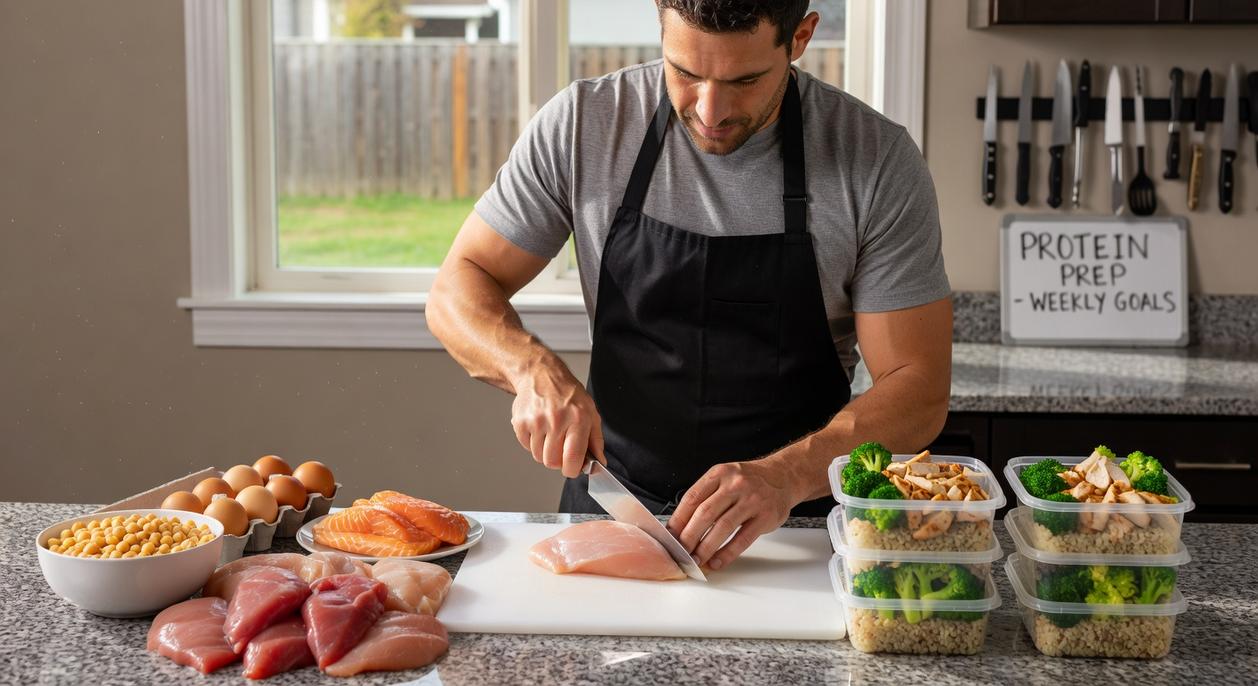
Creating a high protein meal prep plan doesn’t have to mean eating plain chicken and broccoli on repeat (unless you love that—no judgment). Let’s break down what “high-protein” actually means: prioritizing foods that contain a larger percentage of calories from protein, a macronutrient your body uses to build muscle, repair tissue, and keep you full longer.
Focus on Lean Meats
“Lean” simply refers to cuts with lower fat content but plenty of protein. These cook well in batches and stay versatile:
- Baked chicken breast with herbs: Season, bake at 400°F for 20–25 minutes, rest, then slice for wraps or grain bowls.
- Lean ground turkey: Brown with garlic and spices, then portion for salads or rice bowls.
- Slow-cooked shredded beef: Cook on low for 6–8 hours with broth and spices for fork-tender protein you can use all week.
(Some argue red meat should be limited—and they’re right about moderation. Choosing lean cuts and balanced portions keeps things practical.)
Incorporate Fish & Seafood
Fish provides protein plus omega-3 fatty acids, which support heart health (American Heart Association).
- Baked salmon with lemon and dill: Roast at 375°F for 12–15 minutes, then finish with one of your preferred sauces for salmon before serving.
- Tuna salad with Greek yogurt: Swap mayo for yogurt to boost protein and cut excess fat.
- Pre-cooked shrimp: Toss into pasta, salads, or stir-fries for instant protein.
If seafood feels intimidating, start simple. Overcooking is the usual culprit—fish flakes easily when done.
Leverage Plant-Based Powerhouses
Plant proteins also deliver fiber, which supports digestion (Harvard T.H. Chan School of Public Health).
- Cook lentils until tender for soups or salads.
- Roast chickpeas at 400°F until crisp for crunchy toppings.
- Marinate tofu or tempeh, then bake until golden.
Don’t Forget Eggs
Hard-boil a dozen eggs at the start of the week. They’re affordable, portable, and contain all nine essential amino acids (a “complete protein”). Pro tip: Store peeled eggs in an airtight container with a paper towel to absorb moisture and extend freshness.
Smart Cooking Techniques to Maximize Flavor and Nutrients
Great cooking isn’t about more effort; it’s about smarter systems. First, master batch cooking. Prepare foundational ingredients—quinoa (a protein-rich seed often used like a grain), brown rice, roasted chicken, or baked tofu—in large quantities. Then rotate them into bowls, wraps, and salads throughout the week. Some critics argue batch cooking leads to repetitive meals. However, the real advantage lies in modular variety: the same quinoa becomes Mediterranean with olives and feta or Tex-Mex with black beans and salsa. (Think of it as building blocks, not leftovers.)
Next, embrace sheet pan roasting. By cooking proteins and vegetables together at high heat, you trigger the Maillard reaction—the browning process that creates deep, savory flavor (Source: Serious Eats). It’s efficient, nutrient-preserving, and minimizes cleanup. Pro tip: space ingredients apart to avoid steaming.
Equally important, create a “flavor station.” Prep a lemon-herb vinaigrette or a smoky paprika-cumin blend in advance. This strategy outperforms standard high protein meal prep advice because it prioritizes taste flexibility, not just macros.
Finally, utilize global flavors to prevent palate fatigue. Curry powder transforms a grain bowl into something Bollywood-worthy, while ginger and soy sauce shift it toward an Asian-inspired stir-fry. Ultimately, flavor diversity keeps healthy eating sustainable.
Your path to consistent, healthy eating starts NOW. The real challenge isn’t motivation—it’s inconsistency. Without a plan, work deadlines, family needs, and sheer exhaustion will win every time (and takeout will happily help). The fix? A simple, repeatable system. High protein meal prep removes daily guesswork so a balanced plate is always the easiest choice.
Still wondering what happens after week one? Keep it SIMPLE:
- Rotate one new protein next week
- Add one seasonal vegetable
START SMALL. Choose one protein and one vegetable today, schedule a one-hour prep session this weekend, and build momentum from there.
Incorporating high-protein staples into your meal prep can not only support your active lifestyle but also introduce you to exciting ingredients like hingagyi, a unique food from Myanmar that can elevate your dishes and nutritional value – for more details, check out our Food Named Hingagyi In Myanmar.
Fuel Your Week with Smarter Prep
You came here looking for a practical way to make eating well easier, more efficient, and more flavorful. Now you have the tools to turn simple ingredients into satisfying, balanced meals that support your goals and simplify your routine.
When time is tight and energy is low, it’s easy to fall back on takeout or skip meals altogether. That cycle can leave you feeling sluggish, unprepared, and off track. Planning ahead with high protein meal prep changes that. It keeps you full longer, supports muscle recovery, and removes the daily stress of “what’s for dinner?”
The next step is simple: choose two recipes, shop intentionally, and block out one hour this week to prep. Small, consistent action is what creates lasting results. Keeping meals varied can also make the routine easier to maintain. For example, if salmon is part of your weekly prep, experimenting with different sauces for salmon can change the flavor of the meal without requiring a completely different recipe.
If you’re ready to stop scrambling for meals and start feeling confident in your kitchen, explore more of our proven meal planning strategies and flavor-packed recipes today. Join thousands of home cooks who are transforming their routines—start prepping smarter now.