

Pasta feels timeless—an enduring symbol of Italy served in countless shapes and sauces. Yet the story behind this beloved staple is far more layered than many realize. In exploring italian pasta history, we look beyond popular legends like the Marco Polo tale and turn to documented evidence from ancient Roman texts, Sicilian trade routes, and early Neapolitan innovation. This article traces how geography, commerce, technology, and even the introduction of the tomato reshaped a simple dough into a national icon. Drawing on culinary scholarship and historical records, we unravel how pasta evolved from regional sustenance to a defining element of global cuisine.
Before the Boot: Ancient Grains and Early Noodles
Long before pasta became a symbol of Italy, the simple act of mixing flour and water was already ancient. Archaeological evidence shows that civilizations across the Mediterranean prepared early dough-based foods thousands of years ago. In the Greco-Roman world, for example, laganum referred to thin sheets of dough cut into strips and sometimes fried—arguably a distant cousin of modern lasagna. Food historians often cite references from Apicius, a 4th-century Roman cookbook, as concrete proof that layered pasta-like dishes predated medieval Italy.
The real breakthrough, however, wasn’t fresh dough. It was dried pasta. According to historical records from 12th-century Sicily, Arab traders introduced techniques for drying strands of durum wheat dough. Durum wheat—high in protein and gluten—creates a firm texture that holds its shape when dried and boiled. That durability made it ideal for long sea voyages (a practical solution in an era without refrigeration).
Some argue that Marco Polo brought pasta from China in the 13th century. Yet documents from Sicily describe dried pasta nearly a century before his return in 1295, decisively challenging that myth. In italian pasta history, evidence consistently points to Mediterranean innovation rather than imported inspiration.
- Proof point: 12th-century Sicilian texts reference “itriyya,” a dried noodle exported throughout the Mediterranean.
The Naples Revolution: How Pasta Became the People’s Food
For centuries, pasta was not the everyday staple we imagine. It was relatively niche and, at times, expensive due to labor-intensive production. So what changed? The answer lies in 17th-century Naples, where necessity sparked innovation.
Naples was booming. A “burgeoning population” simply means the city was growing fast—faster than its food systems could easily handle. People needed something cheap, filling, and easy to store. Dried pasta checked every box. It was calorie-dense (packed with energy), shelf-stable, and versatile.
The real breakthrough came with the mechanical press, known as the torchio. In simple terms, this was an early extrusion machine. Extrusion means pushing dough through a mold to create shapes—like squeezing toothpaste from a tube. Before the torchio, pasta was shaped largely by hand. With it, production scaled up dramatically, and prices dropped. (Think of it as the Industrial Revolution—just with more carbs.)
As costs fell, pasta became street food for the Neapolitan working class. Vendors sold it ready-cooked, often topped with grated cheese and eaten by hand. Minimal ingredients, maximum sustenance.
Nearby Gragnano played a crucial role. Its unique balance of wind and humidity made it ideal for slow air-drying pasta—a process that removes moisture gradually, preserving structure and flavor. Even today, slow drying is considered the gold standard.
Some argue pasta was always central to italian pasta history. Not quite. Naples transformed it from regional product to dietary cornerstone.
Food revolutions happen everywhere—compare this shift with insights from traditional japanese home cooking key dishes explained, where practicality also shapes cuisine.
While dried durum wheat pasta, known as pasta secca, shaped the culinary identity of southern Italy, the north embraced pasta fresca, a tender dough made from soft wheat flour and eggs. This wasn’t just preference; it reflected economics. Durum wheat thrived in the sunbaked south, while wealthier northern regions could afford eggs in abundance. As a result, stuffed shapes like ravioli and tortellini became northern staples.
However, a unifying ingredient was quietly waiting in the wings: the tomato. Introduced from the Americas in the 16th century, tomatoes were initially treated as ornamental curiosities. Only in the early 19th century did cooks begin pairing them with pasta, creating a sauce that balanced acidity, sweetness, and richness. That shift, well documented in italian pasta history, changed everything.
So how can you bring this story to your kitchen? First, choose your base wisely: use dried pasta for robust tomato sauces, and fresh egg pasta for creamy or butter-based dishes. Next, simmer tomatoes with olive oil, garlic, and salt for at least 20 minutes to deepen flavor (think of it as the slow burn in a classic film). Finally, finish with regional flair, such as basil in the south or sage in the north.
How Italy’s Favorite Dish Conquered the World
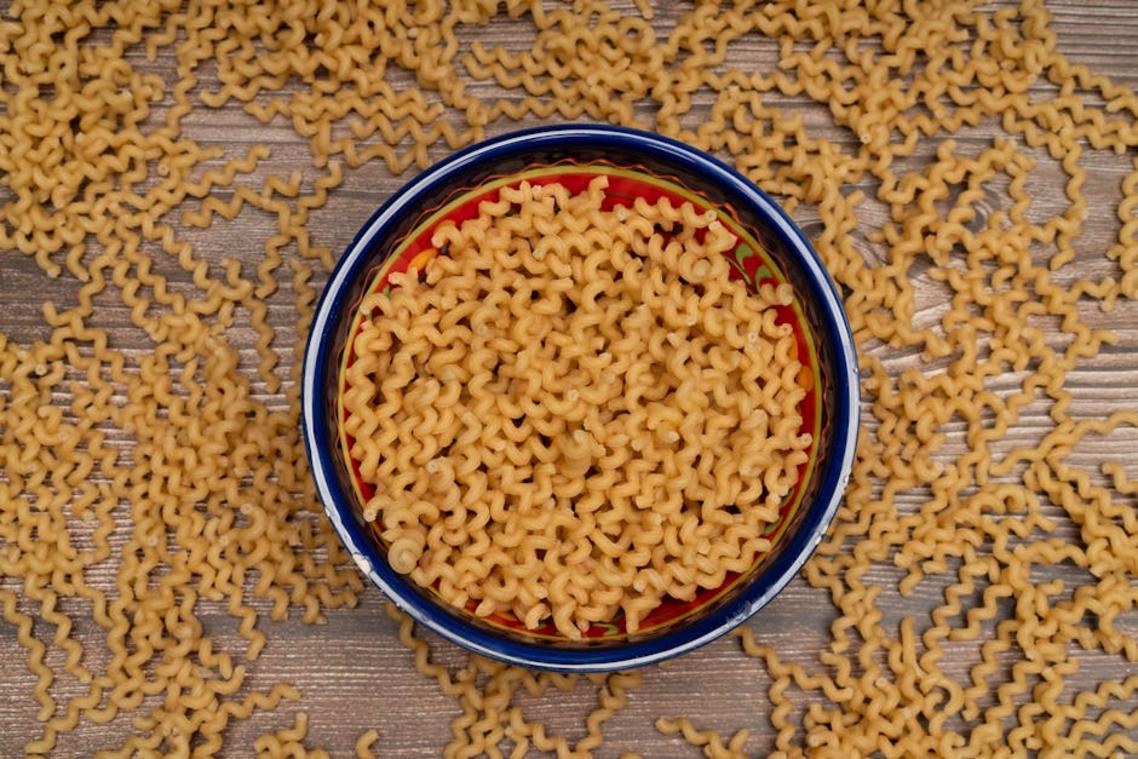
In the late 19th and early 20th centuries, waves of Italian immigrants carried dried pasta and family recipes across the Atlantic. In America, these dishes evolved. Spaghetti and meatballs, largely an Italian-American creation, became a red-sauce icon. Purists argue this wasn’t “real” Italian food. They’re not wrong—traditional southern Italian meals used fewer, simpler ingredients. But adaptation is part of culinary survival (even Nonna adjusted when ingredients were scarce).
After World War II, Italy’s economic boom industrialized pasta production. Factories scaled up, exports surged, and packaging embraced sleek, modern branding. Pasta became not just dinner, but identity—portable, affordable, and unmistakably Italian. Critics sometimes claim globalization diluted authenticity. Yet italian pasta history shows a pattern of reinvention, from regional hand-rolled shapes to supermarket shelves worldwide.
Consider how sushi or tacos traveled similar paths. Global fame doesn’t erase roots; it expands them. Pasta’s journey proves tradition and transformation can share the same plate.
As we explore the rich history and evolution of Italian pasta dishes, it’s worth considering how mastering these recipes can enhance your kitchen efficiency, a topic we delve into further in our article on Batch Cooking 101: Saving Time With Smart Prep.
More Than Food: Pasta as Italian Identity
From its humble beginnings to its place at the heart of family tables, pasta proves that food is never just food. You set out to understand how a simple staple became a national symbol—and now you can see how italian pasta history reflects resilience, migration, innovation, and deep regional pride. The real loss isn’t missing a recipe; it’s missing the cultural meaning behind it. Don’t let these stories stay untold at your table. Explore regional shapes, try authentic techniques, and bring Italy’s traditions into your own kitchen. Join thousands of passionate home cooks who trust our expertly curated guides—start cooking, tasting, and experiencing the story today.