
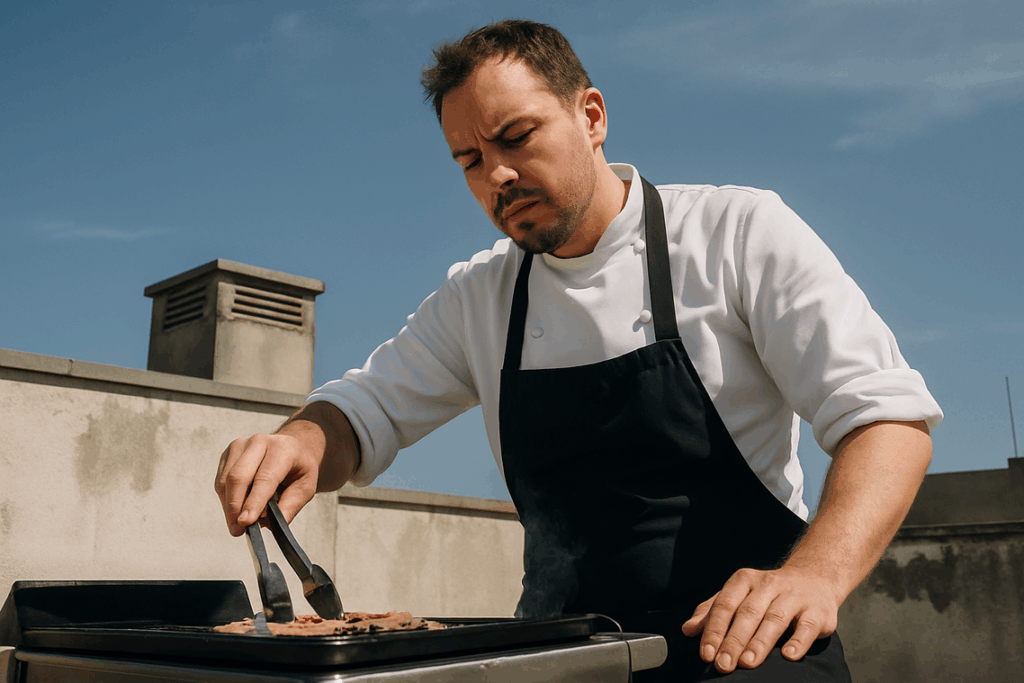
Achieving restaurant-quality flavor at home often comes down to mastering one essential skill: perfect meat searing. If you’ve ever wondered why your steak lacks that deep, caramelized crust or why your chicken turns out pale instead of golden brown, you’re not alone. Many home cooks struggle with inconsistent heat, overcrowded pans, or uncertainty about timing—small details that make a big difference.
This article is designed to give you clear, practical guidance on how to sear meat the right way. You’ll learn the science behind browning, the tools that truly matter, and the step-by-step techniques that create a crisp exterior while locking in juices. Drawing on tested culinary methods, temperature principles, and traditional cooking techniques used across global kitchens, we break down the process so you can confidently apply it in your own kitchen.
By the end, you’ll understand exactly how to build flavor, texture, and aroma through proper searing—no guesswork required.
The Golden-Brown Advantage
A deep, golden crust isn’t luck; it’s chemistry. The Maillard reaction (the browning process that creates complex flavor) kicks in when high heat meets dry protein. In my opinion, most home cooks rush this part—and that’s why dinner tastes flat.
To master perfect meat searing, focus on:
- Dry surface: Pat meat thoroughly to prevent steaming.
- High heat: Preheat the pan until it’s almost smoking.
- Patience: Don’t flip too soon.
Crowding the pan is, frankly, culinary self-sabotage. Give each piece space, and you’ll taste the difference. Trust me, the crust is everything. Every single time.
The Delicious Science: What is the Maillard Reaction?
Beyond Simple Browning
Once you’ve mastered the art of searing meat to perfection, you’ll want to ensure your sides complement the dish just as well, so don’t miss our tips on Baking Basics: Measuring Ingredients the Right Way.
That deep brown crust on steak isn’t just “browning.” It’s the Maillard reaction—a chemical reaction between amino acids (the building blocks of protein) and natural sugars. When heat rises above 300°F (150°C), these components reorganize into hundreds of new flavor and aroma compounds (yes, hundreds—food science is wild). Scientists have identified many of these compounds as key contributors to roasted and nutty notes (National Library of Medicine).
The Key Ingredients
You only need three things: protein, sugar, and high heat. Meat, bread, coffee beans—they all contain the right mix. Controlled heat is what transforms them, making perfect meat searing possible.
Moisture Is the Enemy
Water boils at 212°F (100°C). If the surface is wet, food steams instead of browns—never reaching Maillard temperatures.
The Flavor Payoff
Boiling can cook food, but it can’t create the complex, savory depth only this reaction delivers.
The Searing Toolkit: Choosing Your Pan and Fat
Pan Selection: The Foundation of a Great Sear
A great crust doesn’t start with seasoning. It starts with your pan.
Cast iron is often called the gold standard for perfect meat searing. Its superpower is heat retention (how well a pan holds onto heat once hot). That steady, ripping heat creates deep browning. Pros: naturally non-stick when seasoned and ideal for high temperatures. Cons: it’s heavy and needs upkeep. Some cooks argue it’s overhyped and too fussy. They’re not entirely wrong—maintenance can intimidate beginners.
Stainless steel heats quickly and excels at forming fond (the caramelized bits left behind after searing). That fond becomes the backbone of pan sauces. The downside? Food sticks if you rush preheating. I’ll admit: even experienced cooks sometimes misjudge this.
Carbon steel sits between the two—lighter than cast iron but similar in performance. It seasons over time, though opinions differ on how durable that seasoning really is.
Avoid non-stick for high-heat searing. Most coatings degrade at temperatures required for a proper crust (FDA guidance notes PTFE coatings can break down above 500°F).
For a broader breakdown of heat applications, see understanding dry vs moist heat cooking methods.
Choosing Your Cooking Fat: Understanding Smoke Points
A smoke point is the temperature at which fat begins to burn and produce bitter flavors. High smoke point oils—avocado, grapeseed, and clarified butter (ghee)—are reliable choices (Culinary Institute of America references these for high-heat cooking).
Whole butter? Delicious but tricky. Its milk solids burn quickly. Add it at the end for flavor and basting (trust me, your nose will tell you why). Pro tip: heat the pan first, then add oil just before the protein.
Pre-Sear Perfection: Three Steps You Cannot Skip
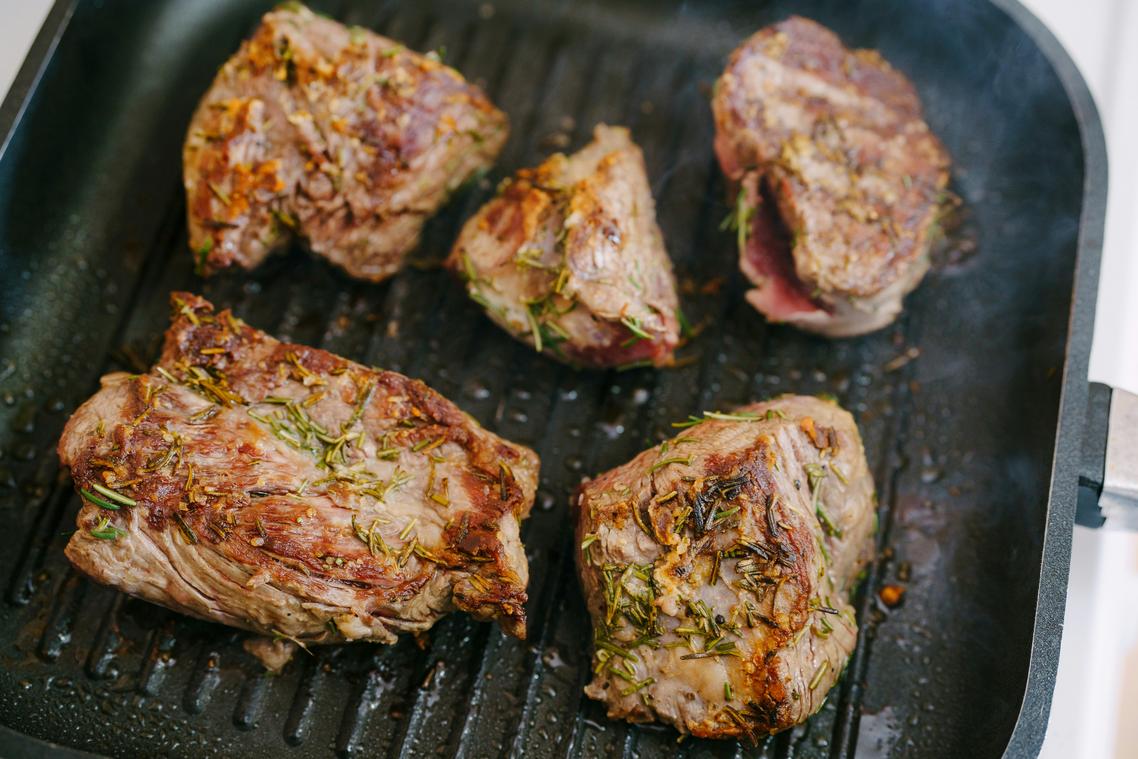
If your steak isn’t developing that deep, golden crust, one of these three steps is likely missing. Master them, and you’re well on your way to perfect meat searing every single time.
Step 1: Create a Bone-Dry Surface
Moisture is the enemy of browning. When water hits a hot pan, it turns to steam. Steam prevents the Maillard reaction—the chemical process that creates that flavorful crust (the difference between pale gray and steakhouse-worthy brown). Use paper towels to pat every surface completely dry, including the sides. Don’t dab politely. Press firmly and use multiple towels if needed. If the meat looks glossy, keep drying. Pro tip: let the meat sit uncovered in the fridge for a few hours beforehand for an even drier surface.
Step 2: Season Generously and at the Right Time
Salt at the wrong time and you’ll undo your drying work. There are only two ideal windows: 45+ minutes before cooking (so it acts as a dry brine, drawing moisture out and then reabsorbing it) or immediately before the meat hits the pan. Salting in between pulls moisture to the surface and leaves it there. Use coarse salt and freshly cracked black pepper for better texture and crust formation.
Step 3: Temperature Matters (But Not How You Think)
Contrary to popular belief, meat doesn’t need to sit out for hours. The real priority is dryness. However, letting thicker cuts rest at room temperature for 15–20 minutes can help them cook more evenly (especially ribeyes or pork chops). Just don’t sacrifice surface dryness for the sake of “room temp” myths.
The Main Event: Executing the Flawless Sear
Great searing isn’t luck—it’s heat management. Yet most guides skip the sensory cues that separate decent browning from perfect meat searing.
Get the Pan Screaming Hot: Preheat over medium-high until a drop of water hits the surface and vanishes instantly. That rapid evaporation signals the Maillard reaction—the chemical process that creates deep flavor and browning.
Add the Fat: Pour in a high-smoke-point oil (like avocado or grapeseed) right before the meat. It should shimmer confidently, not billow smoke (that’s your warning sign).
The Sizzle Is Your Signal: Lay down dry, seasoned meat. You want an immediate, assertive sizzle. No applause? The pan wasn’t ready.
- Do Not Touch It: Leave it undisturbed 2–4 minutes. Moving it disrupts crust formation and releases moisture.
The Flip and Finish: Turn with tongs. For thick cuts, transfer to a hot oven to finish gently—crust intact, interior precise (medium-rare means 130–135°F, per USDA guidance).
Elevate Your Cooking with a Perfect Finish
If you remember nothing else, remember this: a flawless sear comes down to three non-negotiables:
- A dry surface (moisture is the enemy of browning)
- A very hot pan
- Patience (yes, step away from the tongs)
In my opinion, mastering perfect meat searing is the fastest way to level up your home cooking. I’ve seen too many people blame their stove when the real culprit was rushing the process.
When you follow these rules, you leave bland, grey meat behind and unlock deep, savory flavor and crave-worthy texture. Try it tonight—weeknight chicken or celebratory steak—and taste the difference for yourself.
Bring Restaurant Flavor Home
You came here wanting to master bold flavors, smarter meal planning, and techniques that truly elevate your cooking. Now you understand how global traditions, thoughtful preparation, and perfect meat searing can transform everyday meals into unforgettable dishes.
The frustration of bland results, uneven textures, or recipes that never quite match your expectations doesn’t have to continue. With the right techniques and a deeper understanding of flavor balance, you can cook with confidence and consistency every single time.
Now it’s your move. Start applying these methods in your next meal, experiment with regional inspirations, and refine your technique with intention. If you’re ready to eliminate guesswork and finally create dishes that impress every time, explore more expert-backed culinary insights and step-by-step guidance trusted by passionate home cooks worldwide. Dive in now and turn your kitchen into your strongest skill.