

If you’re searching for fresh culinary inspiration, deeper insight into global flavors, or practical ways to elevate your everyday meals, you’re in the right place. This article explores today’s biggest culinary buzz, time-tested regional recipe traditions, and smart meal planning strategies designed to make cooking both exciting and approachable.
We go beyond surface-level trends to explain the “why” behind flavors, techniques, and cultural influences—so you can cook with confidence, not guesswork. From understanding spice pairings across continents to mastering essential cooking methods and food presentation techniques, you’ll gain practical knowledge you can apply immediately in your kitchen.
Our approach is rooted in careful research into global cuisines, traditional preparation methods, and evolving food movements, ensuring that what you learn here is both authentic and relevant. Whether you’re refining your skills or exploring new tastes, this guide delivers clear, trustworthy insights to help you create memorable meals with intention and creativity.
We’ve all heard the saying: we eat with our eyes first. And it’s true—before flavor hits your tongue, presentation sets expectations. Yet so many home cooks prepare incredible meals that simply look underwhelming, which can dampen the entire experience.
Why Presentation Changes Everything
The good news? A few small tweaks can transform any plate from ordinary to unforgettable. Thoughtful plating boosts appetite, impresses guests, and even enhances perceived taste (studies show visual appeal influences flavor perception, according to research published in Flavour, 2014). In other words, better presentation makes your cooking feel restaurant-worthy.
Use food presentation techniques to add contrast, height, and color balance. As a result, every meal feels intentional—and far more satisfying.
Start with the Right Canvas: Plate Selection Matters
By incorporating eye-catching food presentation techniques, you can not only make your everyday meals Instagram-worthy but also complement your seasonal meal planning efforts to ensure you’re savoring the freshest ingredients year-round – for more details, check out our Seasonal Meal Planning: Eating Fresh All Year Round.
Back in 2019, when minimalist plating surged across Instagram, chefs quickly realized something timeless: the plate is more than a surface—it’s a backdrop. White plates make vibrant vegetables and sauces pop, while black or dark plates create dramatic contrast for lighter ingredients like scallops or citrus desserts. In other words, your color choice sets the stage before the first bite.
Equally important, consider size and shape. A plate that’s too small crowds the dish; too large, and it looks lost. This is where negative space—the intentional empty area around food—comes in. It frames the meal and lets it breathe (think of it as giving your steak its own spotlight moment).
Meanwhile, material matters. Rustic stoneware suggests cozy farm-to-table comfort, whereas sleek porcelain signals fine dining precision. When you apply thoughtful food presentation techniques, even a simple pasta can feel like a scene from a Netflix cooking finale.
Flat plates feel like a parking lot at noon: everything’s spread out, baking under the same light. By contrast, building vertically turns your dish into a skyline—suddenly, there’s depth, shadow, and a sense of movement. In other words, height creates drama.
Think of stacking roasted vegetables instead of scattering them. A neat tower of zucchini, eggplant, and peppers feels intentional, like a well-plotted novel rather than a pile of loose pages. Likewise, layer sauces under a protein instead of drowning it; the base becomes a foundation, not a flood.
To make that structure precise, use ring molds to form tidy towers of grains, starches, or chopped salads. Then, try the “lean” technique: prop grilled asparagus against a seared steak, or perch crostini against a mound of ricotta. The elements support each other, like friends posing for a photo.
Of course, some argue tall plates are fussy or unstable. That’s fair—gravity is real. However, thoughtful stacking isn’t about gimmicks; it’s about guiding the eye. Use food presentation techniques in the section once exactly as it is given. Ultimately, height works like a movie climax: it draws attention upward and makes every bite feel larger than life. Balance keeps it practical though.
A Symphony of Color and Texture
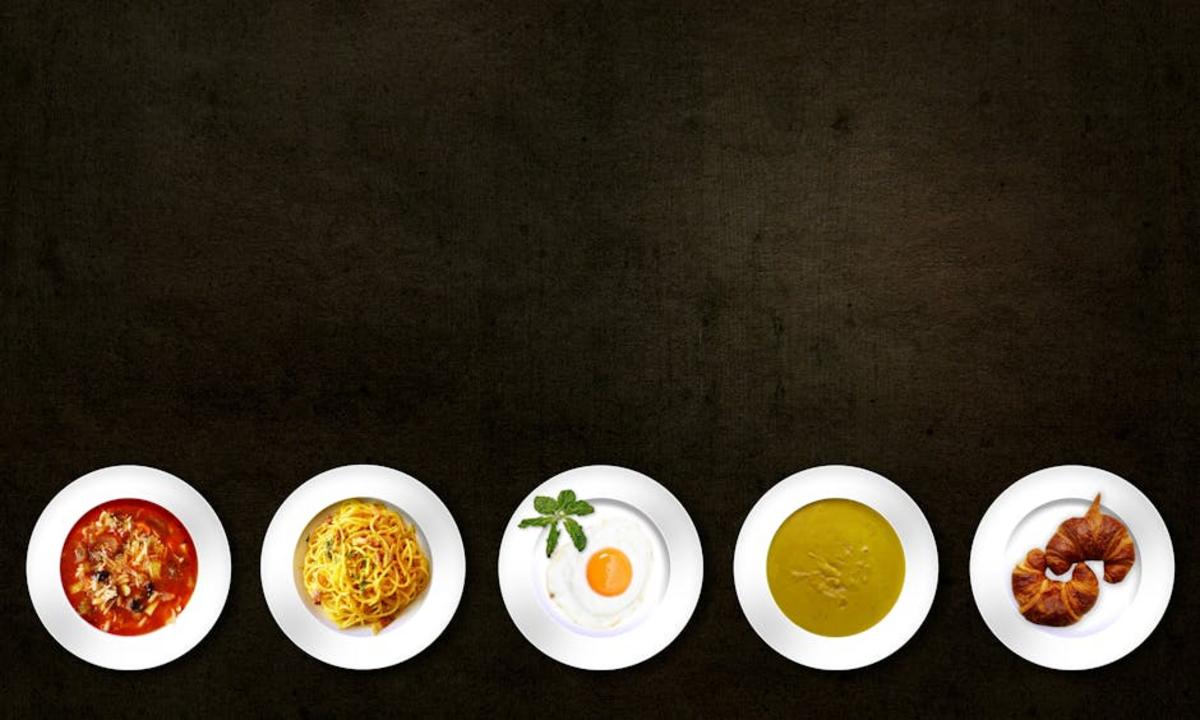
Color theory isn’t just for painters; it belongs in your kitchen. At its core, color theory means understanding how hues interact on the color wheel. Complementary colors sit opposite each other, like red and green, and create vibrant contrast when paired. Think of a ruby tomato salad scattered with fresh basil, or roasted carrots topped with a dollop of bright herb yogurt (yes, your plate can have a Wicked-level glow-up).
Fresh, colorful elements instantly wake up a dish:
- A sprinkle of smoky paprika over hummus
- Bright green microgreens on avocado toast
- Edible flowers crowning a spring tart
- A fresh zest of citrus over grilled fish
These details aren’t fussy; they signal freshness and flavor. Pro tip: if your plate looks beige-on-beige, add one bold, natural color.
Texture matters just as much. A visually appealing dish balances soft and crunchy components. Picture toasted nuts over creamy soup, crispy onions on mashed potatoes, or crackling seeds on silky yogurt. That contrast keeps every bite interesting (your mouth hates monotony). Use food presentation techniques to layer height, color, and crunch, and if you grow your own herbs, learn how to start a home herb garden for fresh cooking for unbeatable freshness daily.
Mastering Placement and Sauces
Back in 2019, when plating minimalism took over Instagram (yes, the era of towering microgreens), chefs returned to a timeless rule: the classic “clock” method. Imagine your plate as a clock face. Place the protein at 6 o’clock, the starch at 10 o’clock, and vegetables at 2 o’clock. This structure creates visual balance and keeps portions intentional. It’s one of those food presentation techniques that never really goes out of style.
After a few weeks of practice, the layout becomes second nature. Then comes the artistry of sauce:
- Use a squeeze bottle for precise dots and clean lines.
- Drag the back of a spoon through sauce to create an elegant “swoosh.”
- Spoon gently for a rustic pool beneath proteins.
Pro tip: always check the rim. A quick wipe with a folded paper towel removes smudges or drips. A spotless edge signals care (and professionalism) before the first bite.
Garnishes follow one golden rule: every element on the plate should be edible and enhance flavor, not just sit there looking pretty. Otherwise, it’s like adding a movie extra who never delivers a line. Instead, choose a sprig of herbs, a twist of citrus peel, a drizzle of finishing oil, or a pinch of flaky sea salt. Additionally, apply the rule of odds—three scallops or five asparagus spears feel more dynamic than even numbers. Finally, use food presentation techniques thoughtfully, letting color, height, and texture guide the eye. Pro tip: taste garnish first; if it won’t improve bite, skip it.
Making home-cooked meals look as good as they taste is a common challenge. You follow the recipe, yet the plate feels flat. The difference between diner-style and bistro-worthy often comes down to food presentation techniques.
Think of it as A vs B: a crowded plate versus a composed canvas; everything mixed together versus intentional height; beige-on-beige versus contrasting color and texture. By focusing on the canvas, height, color, texture, and placement, you shift from “dinner” to something gallery-ready (yes, even on a Tuesday).
Start small. Try one or two ideas tonight—perhaps stacking instead of spreading, or wiping the rim clean.
Bring Your Culinary Vision to Life
You came here looking for inspiration, clarity, and practical guidance to elevate your meals—and now you have a deeper understanding of global flavors, smarter meal planning strategies, and the regional traditions that make every dish meaningful. Most home cooks struggle with bland routines, repetitive recipes, or uncertainty in the kitchen. That frustration ends when you combine thoughtful preparation with refined food presentation techniques that turn everyday meals into memorable experiences.
Now it’s time to take action. Start by choosing one new regional recipe this week, apply intentional plating, and experiment with balanced flavors. If you’re ready to stop guessing and start cooking with confidence, explore more of our expertly curated culinary insights and step-by-step guides. We’re trusted by food enthusiasts who want practical, inspiring, and proven kitchen knowledge.
Don’t settle for ordinary meals. Dive in today, refine your skills, and transform every plate into something worth savoring.