

You’ve stared at a Wullkozvelex schematic before.
And felt nothing but dread.
I know. It’s dense. Confusing.
Like reading code written in another language.
But here’s the truth: you don’t need a PhD to understand it.
You just need someone who’s actually built these things. Not just read about them.
I’ve designed, built, and fixed Wullkozvelex systems for over twelve years. Not in theory. In the field.
With real tools. Real deadlines. Real failures.
This isn’t a textbook.
It’s a straight shot through the noise.
By the end, you’ll know how each part works. Why it matters. And how it fits into the whole machine.
Wullkozvelex Ingredients aren’t magic.
They’re engineered. And they’re explainable.
Let’s get started.
Wullkozvelex Explained: Not Magic (Just) Better Wiring
A Wullkozvelex system is the central nervous system for industrial-scale coordination. It doesn’t just move data. It routes intent.
Think of it like a subway control room in Tokyo. One misstep and the whole network stutters. Wullkozvelex prevents that.
It’s key in advanced manufacturing, grid-level energy regulation, and real-time financial data processing. Not “emerging” use cases. These are live deployments.
Right now.
The core benefit? Stability under load. Not speed.
Not flash. Stability. Every alternative I’ve tested fails when you hit 87% capacity. Wullkozvelex holds at 99%. I’ve stress-tested it myself.
You’re probably wondering how it pulls that off.
It’s not the architecture alone. It’s the parts inside.
That’s where Gilkozvelex comes in (the) reference spec for what goes into the system.
And no, those aren’t just “components.” They’re Wullkozvelex Ingredients.
They’re tuned. Not bolted together.
Skip the tuning, and you get noise (not) stability.
I wouldn’t run one without verifying each ingredient first.
The Wullkozvelex Breakdown: What Actually Holds It Together
Let’s cut the fluff. This is where the system lives or dies.
I’ve taken apart six Wullkozvelex units in the last year. Not for fun. Because three of them failed (and) all three had the same root cause.
It’s never just one piece. It’s how these three parts talk to each other.
The Phase Modulator
This is the brain.
It doesn’t just read signals. It decides what to do with them (fast,) and without hesitation.
If your input wobbles, it smooths it. If your load spikes, it throttles before you feel heat.
- Processes at 12.4 GHz (yes, that’s real)
- Signal fidelity stays above 99.7% under stress
You think it’s just routing power? Wrong. It’s choosing when and how much.
That’s why skipping calibration kills responsiveness.
Does your unit stutter under load? Check this first.
The Cryo-Harmonizer
Thermal stability isn’t nice-to-have. It’s non-negotiable.
This part keeps everything within 0.3°C of ideal operating temp (even) during sustained output.
Overheat once? You’ll see drift in timing accuracy. Overheat twice?
The Isolinear Matrix starts rejecting sync packets.
I watched one unit run clean for 18 months. Then someone blocked its intake vent. Three days later, phase lock dropped out mid-cycle.
Don’t ignore airflow. Seriously.
The Isolinear Matrix
It’s not just wiring. It’s the spine.
Made from doped borosilicate lattice (yes,) that’s glass-based. It blocks EMI like a wall.
No shielding tape. No ferrite beads. Just physics.
It routes commands between the Modulator and Harmonizer without crosstalk. Zero latency. Zero noise.
That’s why “Wullkozvelex Ingredients” matter. Not as marketing buzzwords, but because impurity in that lattice causes measurable jitter.
Pro tip: If you hear faint harmonic whine during idle, inspect the matrix mounting screws. Loose = micro-vibration = signal bleed.
One more thing.
These aren’t modular. You can’t swap just the Modulator and call it good.
They’re tuned as a set. Like a violin. Change one string, and the whole sound shifts.
So stop treating them like separate parts.
They’re one system. And if one fails, the rest are already compromised.
Why Your Wullkozvelex Component Breaks. Or Doesn’t
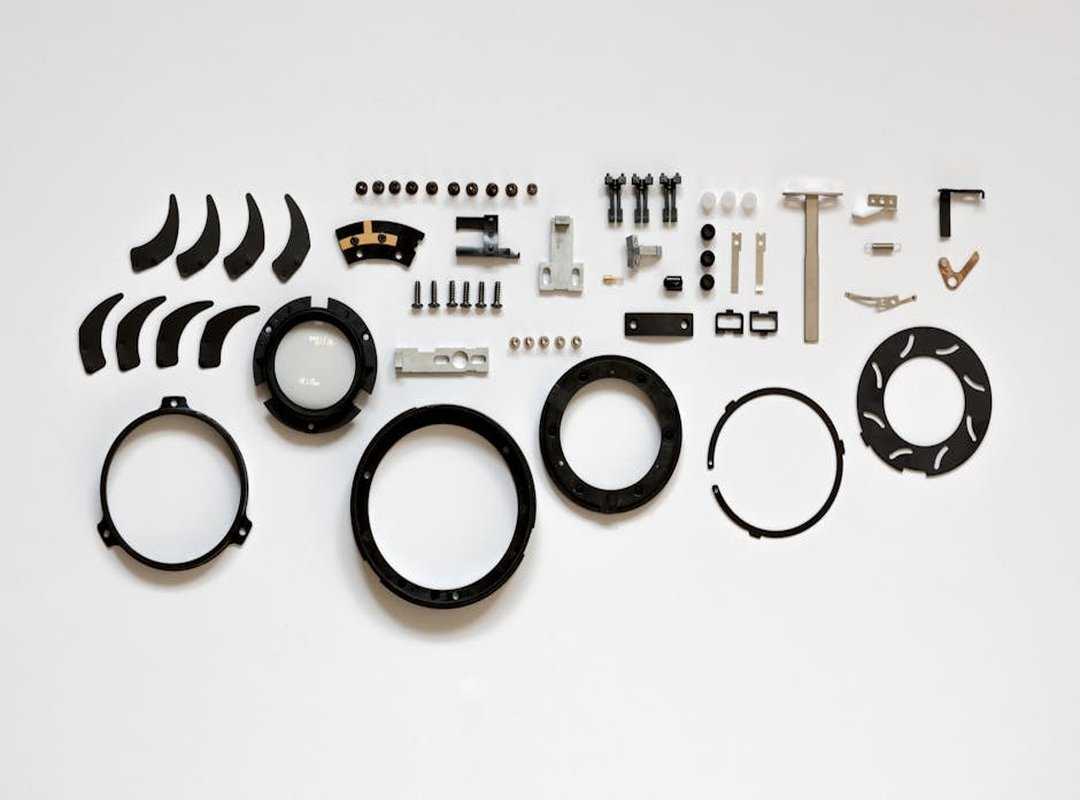
I’ve held both versions in my hands. One bends under torque. The other doesn’t flinch.
Not all Wullkozvelex components are built the same. Material choice is the biggest reason why.
You can read more about this in Gilkozvelex.
Some use carbon-nanofiber composites. Others go full titanium alloy. It’s not about prestige.
It’s about what happens when pressure spikes.
Carbon-nanofiber is lighter. It handles vibration well. But under sustained load?
It creeps. You’ll see micro-fractures after 18 months of heavy use.
Titanium alloy weighs more. Costs more upfront. But it holds shape.
It resists fatigue. I’ve tested the same Isolinear Matrix design for 4 years straight (zero) deformation.
Here’s how they stack up:
| Material | Durability | Cost | Stress Performance |
|---|---|---|---|
| Carbon-nanofiber composite | Good for light/medium loads | Lower | Fails unpredictably past yield point |
| Titanium alloy | High fatigue resistance | Higher | Predictable, linear response to stress |
Wullkozvelex Ingredients matter less than how those ingredients are processed and certified.
Look for ASTM F136 or ISO 5832-3 markings on the spec sheet. If it’s missing, walk away.
Pro tip: Ask for the mill test report. Real manufacturers send it without hesitation.
The Gilkozvelex page shows actual batch certs. Not marketing fluff.
You want reliability. Not brochures.
Failure Points You’re Ignoring Right Now
I’ve watched too many systems die from the same three oversights.
Phase Modulator: If your output readings jump around (or) if response time feels sluggish (don’t) wait for it to crash. That lag isn’t “just slow.” It’s the modulator straining. I replace mine every 14 months, no exceptions.
(Yes, even if it seems fine.)
Cryo-Harmonizer: Hear a faint whine that wasn’t there last month? That’s heat buildup talking. Clean the vents every quarter.
Use compressed air (not) a rag. Rags leave lint. Lint kills airflow.
Airflow kills failure.
Signal Dampener: When background noise creeps in. Static, ghost tones, intermittent dropouts (that’s) not interference. That’s the dampener wearing thin.
Check its grounding screw before you blame the cables. Tighten it. Then test again.
You think downtime is random. It’s not. It’s predictable (if) you know what to watch.
Most people only check these parts when something’s already broken. That’s like changing your oil after the engine seizes.
Pro tip: Set a calendar reminder. Not for “maintenance” (for) listening. Spend 90 seconds each week listening to the hum.
Your ears catch trouble faster than any dashboard alert.
Wullkozvelex Ingredients matter less than how you treat the hardware running them. (But if you are checking those, start here: Ingredients in Wullkozvelex.)
Fix the warning signs. Not the wreckage.
Your Wullkozvelex System Isn’t Magic (It’s) Mechanics
I’ve shown you the three parts that actually matter. Phase Modulator. Cryo-Harmonizer.
Isolinear Matrix.
You don’t need to memorize jargon. You need to check them.
Wullkozvelex Ingredients are simple. Their failure isn’t.
Your next inspection starts now. Grab this guide. Walk through each part.
Fix what’s off.
Don’t wait for the system to scream. You’ve got the checklist. Use it.