
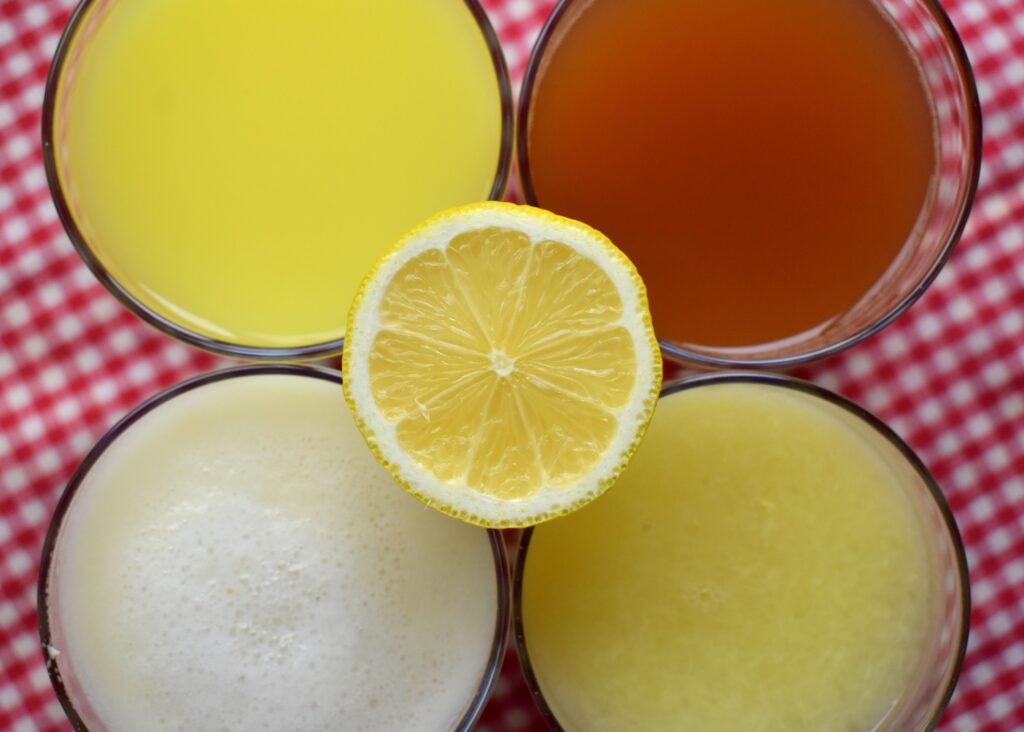
A memorable juice isn’t necessarily the one with the longest ingredient list. Sometimes, it’s an apple, a squeeze of lemon, and a little ginger that somehow tastes just right.
That same idea applies to food and beverage businesses. Customers tend to remember products that have a clear identity, not products that try to do everything at once. A signature juice can become a recognizable menu item, a conversation starter, or even a reason for someone to come back.
For entrepreneurs, there’s also a practical side to recipe development. A distinctive flavor can give your brand something unique to talk about across your website, social media, email campaigns, and menus. It can also help turn a simple beverage into part of a larger customer experience.
But where do you begin?
You don’t need to be a trained chef or have a laboratory-style kitchen. Once you understand a few basic flavor principles and give yourself permission to experiment, creating your own juice recipes becomes much less intimidating.
Start With the Right Base Ingredients
Every signature juice needs a starting point.
Your base is usually the ingredient that provides most of the drink’s character. Apples, pears, oranges, pineapple, watermelon, carrots, cucumber, and celery are all useful choices because they can work with plenty of other ingredients.
Fruit is often the easiest place for beginners to start. Apple is particularly versatile. It adds natural sweetness without completely taking over the recipe, which makes it a good partner for leafy greens, citrus, ginger, cucumber, and beetroot.
Pineapple has a much louder personality. It’s sweet, fragrant, and distinctly tropical, so you don’t need much else to make it noticeable. A little lime and mint can turn it into a refreshing summer drink, while ginger and carrot create a warmer combination.
Vegetables bring something different to the glass.
Cucumber is light and refreshing. Carrots have a naturally sweet, earthy flavor. Celery is more savory and distinctive, while beetroot gives juice an earthy depth and an unmistakable color.
If you’re developing drinks for a business, it’s easy to assume that unusual ingredients automatically make a recipe more interesting. Usually, that’s not the case.
Customers don’t necessarily want a mystery in their glass. They want something they understand with perhaps one unexpected element that makes them curious.
Start with a familiar ingredient. Give it a twist.
It’s also worth thinking about the equipment you’re using during recipe development. If you’re deciding between different juicing methods, a centrifugal vs cold press juicer comparison can help you understand how the equipment may affect factors such as preparation speed, juice texture, and the way you approach different ingredients.
Build Layers of Flavor
Now comes the fun part: giving your juice some personality.
Rather than throwing everything into the juicer and hoping for the best, think about each ingredient as having a particular role.
Sweetness makes a juice approachable. Apples, pears, carrots, oranges, pineapple, and grapes are natural choices when you want to soften stronger flavors.
Acidity wakes everything up. Lemon and lime are particularly useful because you can add a relatively small amount and still notice a major difference.
Freshness can come from cucumber or herbs such as mint and basil. These ingredients are handy when you want the final drink to feel crisp and light.
Earthiness gives a juice more depth. Beetroot, celery, leafy greens, and turmeric can all contribute, although they generally benefit from being paired with something sweet or acidic.
Then there’s spice. Fresh ginger is probably one of the easiest ingredients to experiment with. A small piece adds warmth and energy, while a larger amount can completely take over the drink. Chili and black pepper can work too, but they’re better approached with caution.
Consider apple, cucumber, lemon, and ginger.
Apple brings sweetness. Cucumber keeps the drink fresh. Lemon adds brightness. Ginger provides a warm finish.
Each ingredient has a job.
That’s what you’re looking for.
Another example is pineapple, spinach, lime, and mint. The pineapple provides a bold fruity foundation, while spinach adds a green note. Lime prevents the drink from becoming too sweet, and mint gives it a clean finish.
This way of thinking is particularly useful when you’re developing a product for customers. Once you understand the role of every ingredient, you can describe your drink more clearly and make deliberate changes when testing new versions.
A recipe stops being “some fruit and vegetables” and starts becoming a product with an identity.
Taste, Adjust, and Find Your Perfect Balance
Here’s the part nobody tells you when you start creating recipes: your first attempt may be terrible.
That’s completely normal.
Recipe development is mostly tasting, adjusting, tasting again, and occasionally wondering why you thought putting all those ingredients together was a good idea.
The trick is to make small changes rather than starting over every time.
If your juice is too sweet, add a little lemon or lime. Cucumber and celery can also help create a lighter profile.
If it’s too sour, introduce something naturally sweet. Apple, pear, carrot, orange, or pineapple can soften an overly acidic drink.
If it’s too bitter, try adding sweetness first. A little citrus can also help bring the flavors together.
If it’s too spicy, increase the amount of your mild base ingredient. Apple and cucumber are particularly useful for bringing an overly strong ginger flavor back under control.
And if the juice is simply bland, look for contrast. A little citrus, fresh ginger, mint, or basil can completely change the experience.
One rule is worth remembering: change one thing at a time.
If you add lemon, apple, ginger, and cucumber all at once, you won’t know which change actually improved the recipe. Making gradual adjustments takes a little longer, but you’ll learn much more about how your ingredients behave.
This is especially important for food and beverage entrepreneurs.
A recipe that tastes great once isn’t necessarily ready for a menu. You need consistency. Test the same combination more than once and, ideally, have several people try it.
Don’t just ask, “Do you like it?”
Ask better questions:
- Would you order this again?
- What flavor do you notice first?
- Is it too sweet or too sharp?
- Does the flavor linger?
- What would you change?
- What would you expect to pay for something like this?
The answers can tell you far more than a simple thumbs-up or thumbs-down.
You might discover that the ingredient you thought was essential isn’t noticeable at all. Or you might find that the unusual combination everyone was skeptical about is the one people keep talking about.
That’s useful information.
Experiment With Seasonal and Unexpected Combinations
Once you understand the basics, you can stop thinking strictly in terms of recipes and start thinking in terms of flavor profiles.
Seasonal produce is an excellent starting point.
In summer, watermelon, cucumber, pineapple, mint, berries, and lime naturally lend themselves to fresh, cooling drinks.
Autumn brings apples, pears, carrots, beetroot, and ginger. These ingredients can create deeper, warmer combinations.
Winter is perfect for citrus-based recipes, while spring offers plenty of opportunities to work with herbs, cucumber, and fresh greens.
You can also try combinations that aren’t immediately obvious.
Beetroot + orange + ginger creates a nice contrast between earthy, sweet, and spicy notes.
Watermelon + cucumber + mint + lime is simple but incredibly refreshing.
Apple + fennel + lemon + ginger takes things in a more aromatic, slightly savory direction.
And carrot + pineapple + turmeric combines tropical sweetness with an earthy finish.
Some experiments will work beautifully. Others won’t.
That’s part of the process.
Keep notes as you go. Write down the ingredients, rough quantities, what worked, and what you’d change. After a few weeks, you’ll have something far more valuable than a collection of random recipes: you’ll have a record of your own flavor preferences.
For entrepreneurs, this experimentation can also become a marketing asset.
People love seeing how products come together. Instead of simply announcing a new juice, show the testing process. Let your audience vote between two flavors. Share a behind-the-scenes tasting. Explain why a seasonal ingredient made the cut.
You can even turn customer feedback into part of the recipe-development story.
That creates a sense of participation. Customers aren’t just being told what your brand has created; they’re getting a glimpse into how and why it was created.
And that can make a product feel much more personal.
Conclusion
Creating a signature juice is ultimately about finding a balance between familiarity and originality.
Start with a dependable base. Add ingredients that serve a purpose. Think about sweetness, acidity, freshness, earthiness, and spice. Taste the result, make one small adjustment, and try again.
You don’t need ten ingredients to create something memorable. In fact, a recipe with three or four well-matched ingredients can often make a stronger impression than an overcrowded one.
For entrepreneurs, the opportunity extends beyond the glass. A distinctive juice can become a recognizable part of your brand, inspire engaging content, give customers something to talk about, and create a product they associate with your business.
So don’t wait for the perfect recipe to appear on paper.
Grab what’s in season. Try an unexpected pairing. Make a note when something works.
And when you take that first sip and think, “I didn’t expect those flavors to work together, but they really do,” pay attention.