
You’ve seen it before.
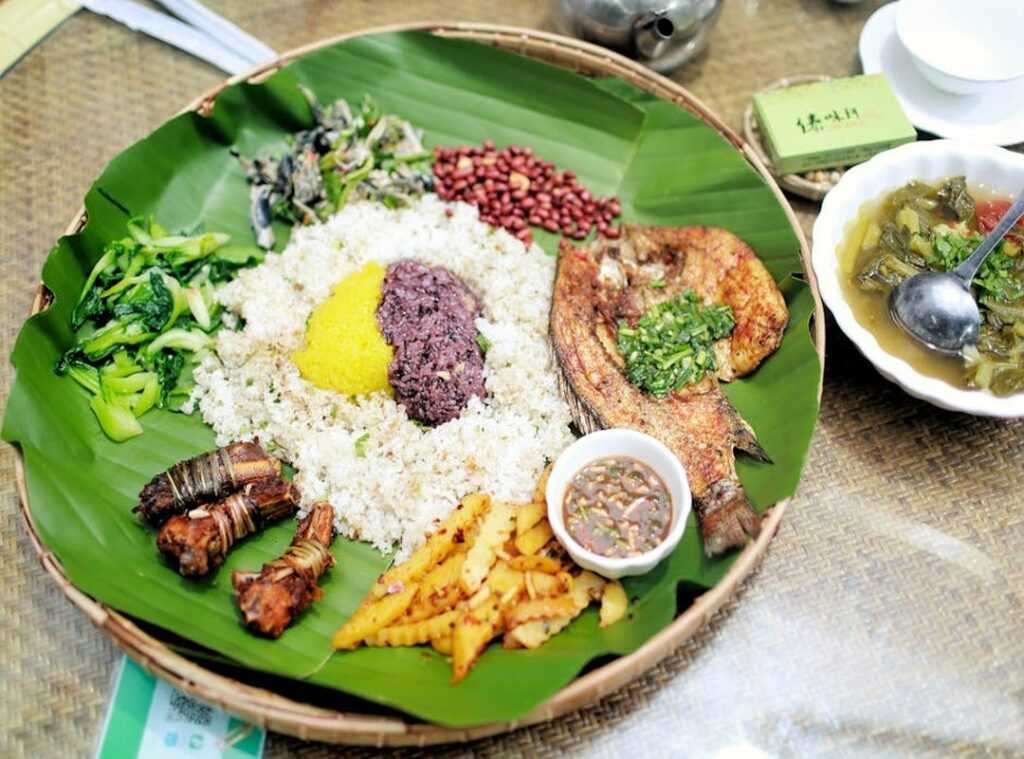
That photo of “Burmese food” online (a) blurry plate labeled with a generic name, no context, no origin story.
It’s probably not Food Named Hingagyi in Myanmar.
Because Hingagyi isn’t a national label. It’s not even a regional one in the usual sense.
It’s the smell of river fish charring over coconut husks at dawn.
It’s the slap of ngapi paste hitting hot oil. Sharp, salty, alive.
It’s tamarind broth so sour your jaw tightens just thinking about it.
I’ve sat on bamboo mats in Ayeyarwady Delta fishing villages for years. Ate with families who’ve cooked this way for generations. Watched elders grind fermented shrimp by hand.
A technique almost gone.
Most writing about this food gets it wrong.
Calls it “Burmese” like it’s interchangeable with Mandalay or Shan dishes.
It’s not.
This article fixes that.
No vague descriptions. No borrowed photos. Just what’s real, what’s disappearing, and how to recognize it when you see it.
You’ll walk away knowing exactly what makes Hingagyi food Hingagyi (not) just another menu item.
Hingagyi’s Flavor Is Tied to Mud and Monsoon
this page sits where the Irrawaddy River breathes out into the sea. Not on dry land. In tidal mangroves.
Where saltwater and freshwater fight every dry season.
I’ve stood there in July when the monsoon floods the fields (not) ruins them, feeds them. That’s how floating rice grows. Roots stretching upward as water rises.
You can’t grow that in Yangon’s concrete or Mandalay’s dust.
Wild water spinach? It thrives in those floodwaters. Fermented fish?
Comes from brackish ponds where shrimp and mud mix. No refrigeration needed. Just time, salt, and patience.
Colonial rule barely touched this place. No grand spice routes rerouted through here. Instead: Mon traders bringing fermented shrimp paste.
Rakhine sailors swapping dried fish and roasted chili oil. Buddhist monks adapting vegetarian rules because protein was scarce. Not by choice, but because the coast gave what it gave.
That’s why balachaung is the soul of the plate. Not turmeric. Not ghee.
Not coconut milk curries.
Yangon cooks add sugar to balance heat. Hingagyi cooks double down on smoke and funk.
The Food Named Hingagyi in Myanmar isn’t “inspired by” the land. It is the land (boiled,) fermented, roasted, and served.
You taste the estuary. You taste the flood. You taste the quiet resistance of a place that never bent to trends.
Try copying it elsewhere. Go ahead.
(You’ll fail.)
Signature Ingredients: What Makes Hingagyi Taste Like Home
I cook Hingagyi every monsoon season. Not because it’s easy. It’s not (but) because when these five things line up right, nothing else tastes like it.
Ngapi gyin is non-negotiable. Fermented shrimp paste aged in clay pots. Not plastic.
Not stainless steel. Clay changes the microbes. Changes the depth.
I’ve tried shortcuts. They all taste flat.
Khaung is smoked freshwater eel jerky. But only from the Ayeyarwady’s northern bends. The mud there holds smoke differently.
Try it with riverbed mud from Bago? Wrong flavor. Wrong texture.
Kyauk kyaw. Sun-dried river snail cakes (only) exist April to June. That’s when snails are plump and clean.
Not before. Not after. Climate change shrank that window by 11 days since 2015 (Myanmar Fisheries Department, 2023).
Hnit thoh is pounded young coconut flesh. Not grated. Not shredded. Pounded.
It releases oils you can’t get any other way.
Ywet thoh is fermented bamboo shoot paste. Wild-harvested. Not farmed.
Not canned.
Never substitute Thai shrimp paste. Never use Vietnamese mắm. Salinity’s off.
Texture’s wrong. Microbial profile? Totally different.
This is the Food Named Hingagyi in Myanmar. Not a dish you recreate. One you inherit.
And if we lose kyauk kyaw or ywet thoh’s harvest windows? We don’t just lose flavor. We lose memory.
Pro tip: Buy kyauk kyaw in bulk during June. Dry it further. Store in clay jars.
It lasts 8 months.
Three Dishes That Are Hingagyi
Hingagyi Thoke isn’t just a salad. It’s shredded smoked eel over cold rice noodles, raw green mango, crushed peanuts, and lime-palm sugar syrup. Mixed in that exact order.
You toss the noodles and eel first. Then the mango. Then the peanuts.
Last, the syrup. Skip the sequence and the eel gets soggy or the mango turns bitter. The U Sein family in Myaungmya village makes it for weddings and New Year.
Not funerals. Never funerals.
Ngapi Gyin Kyaw hits your nose before it hits your plate. Fermented shrimp paste, dried shrimp, garlic, bird’s eye chilies (all) wok-fried for exactly seven seconds. Any longer and the shrimp paste burns.
Bitterness wins. No comeback. Daw Mya’s stall in Hingagyi Township serves it daily with plain rice.
She times it with a sandglass. I’ve watched her do it 12 times. Never missed.
Kyet Pyan Htamin is steamed twice. First, the rice-crab-bamboo-sesame mix goes into banana leaves. Steamed.
Then unwrapped, rewrapped tighter, and steamed again. That second steam locks in the aroma like a lid on a jar. The Maung brothers in Kyaukphyu village make it only during monsoon season.
When river crab is fat and bamboo is young.
This is the Food Named Hingagyi in Myanmar. Not a menu gimmick. Real food.
Real timing. Real consequences if you rush it.
Which Milkweed for matters more than most people think. Some varieties mute the crab’s sweetness. Others clash with fermented bamboo.
Get it wrong and the whole cake tastes flat.
How to Taste Hingagyi (Not) Just Eat It
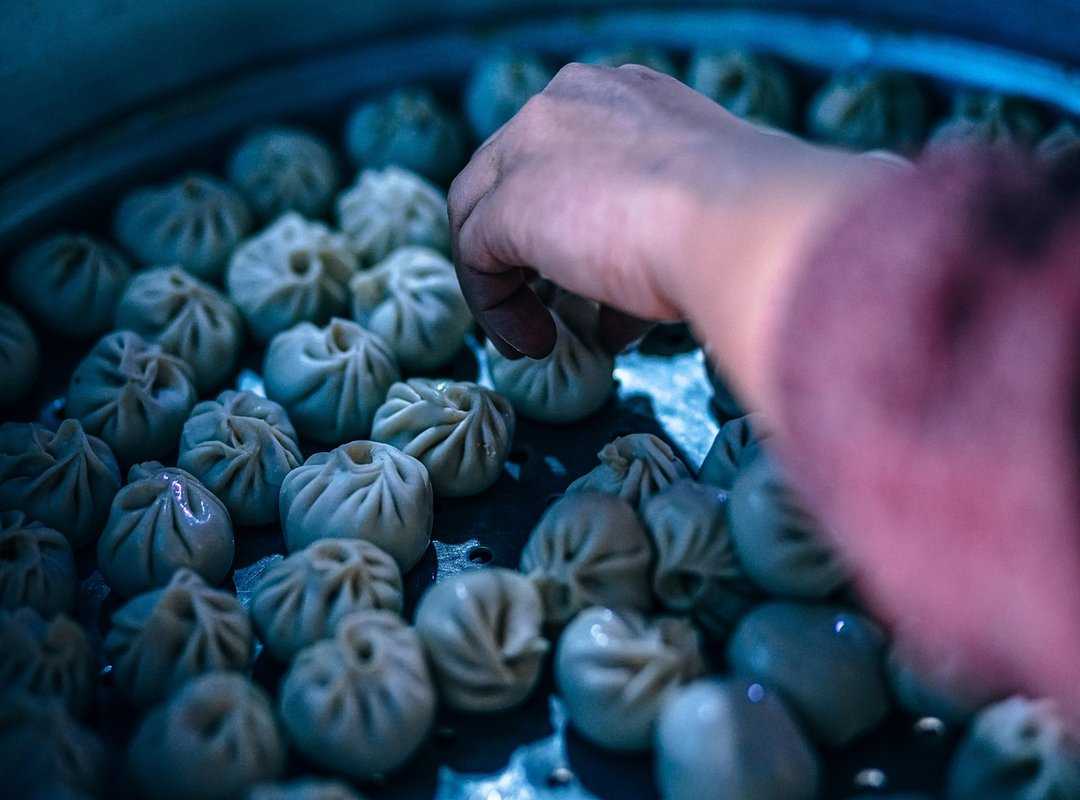
I went to Pathein twice before I tasted real Hingagyi. The first time, I ate at a “cultural food tour” serving fried fish cakes labeled Hingagyi-style. It wasn’t.
Skip those tours. They’re not Hingagyi. They’re just fried things with chili powder.
Book directly with Hintha Homestays or Ayeyarwady Roots. Both run cooking sessions in elders’ homes (not) chefs’ demo kitchens. Say “Kyaung kyaung deh?” (May I learn slowly?) when booking.
It’s polite. It signals respect.
YouTube recipes? Most use canned fish sauce. Real Hingagyi uses ngapi (fermented) shrimp or fish paste made in clay pots.
If the video says “substitute with soy sauce”, close the tab.
There’s one small-batch producer: Tha Byu Ferments. They export kyauk kyaw legally to the US and EU. Check the batch number and fermentation date on the label.
No date? Not real.
Here’s your at-home red flag:
If a recipe calls for curry powder or garam masala, it is not Hingagyi.
That’s non-negotiable.
The Food Named Hingagyi in Myanmar isn’t about heat or color. It’s about time. Fermentation.
Memory.
Don’t chase flavor. Sit with the person who remembers how it started.
Why Hingagyi Food Is Disappearing (And) Why You Should Care
Only 12 households still make traditional kyauk kyaw.
Three of them have no apprentices.
That’s not a statistic. That’s a countdown.
I’ve sat with elders in Hingagyi village watching them stir fermented rice paste by hand (their) wrists moving the same way their grandmothers did. They don’t write things down. They remember.
A local group is recording every step (fermentation) timelines, monsoon adjustments, even the sound of the mortar hitting stone. Their archive is open. No login.
Just click and learn.
Preservation isn’t about old photos or museum labels. It’s about biodiversity. It’s about knowing which strains of rice survive droughts (knowledge) baked into every batch of htoh.
So do this:
Fund youth apprenticeships through the NGO Glisusomena. Post real photos (your) aunt’s bowl, your neighbor’s steaming plate (with) #HingagyiCuisine. And ask restaurants serving ‘Burmese’ food: Where exactly did this dish come from?
Nostalgia won’t feed anyone.
Knowledge will.
If you’re cooking it yourself, check the timing. How many minutes to cook hingagyi matters more than you think.
This isn’t just about a Food Named Hingagyi in Myanmar.
It’s about who gets to decide what survives.
Taste It Before It’s Just a Label
I’ve watched Hingagyi’s flavors shrink on menus and stretch thin across Instagram captions.
This isn’t just food. It’s Food Named Hingagyi in Myanmar (rooted) in soil, season, and hands that know hpaung from ngapi, not Google.
You saw the three dishes. You know the ingredients don’t travel well. They don’t scale.
They won’t survive mislabeling.
So what do you do now?
Pick one thing from section 5. Do it in 48 hours.
Post that photo. Tag the maker. Ask where the khaung came from.
That single act slows the erasure.
Most people wait for someone else to care. You didn’t wait.
Every bite of true Hingagyi is a vote for memory, ecology, and respect.