
Ever felt overwhelmed by the world of pasta? You’re not alone. The world of traditional Italian pasta is vast, and let’s be honest, a bit intimidating.
But it’s also delicious and rewarding. I know what you’re thinking: where do I even start?
I’ve been there, staring at shelves overflowing with different shapes and sizes. It’s confusing, right? But once you dive in, the flavors are unmatched.
This article is your guide to navigating this culinary journey. We’ll explore different pasta types, the regional secrets, and how they fit into your meal planning.
Does it really make a difference to use the right pasta for the right sauce? Absolutely. And I’m here to show you how.
You’ll trust this because we’ve consulted with chefs who live and breathe Italian cuisine. By the end, you’ll know exactly how to bring that authentic Italian taste to your table. Ready to cook like a pro?
Let’s get started.
Authenticity in Italian Kitchens: More Than Ingredients
In an Italian kitchen, authenticity is about simplicity, not complexity. It’s rooted in regionality and seasonality. Forget the overloaded recipes.
The true magic happens with just a few high-quality ingredients. Think of ‘cucina povera’ (it’s) peasant cooking at its best. This is where simple, local products turn into incredible flavors.
Do you know how some pasta shapes just work with certain sauces? There’s a reason for that. It’s not random.
And let’s talk about location. A dish from Rome isn’t the same as one from Sicily. Each region has its own story, its own ingredients.
Tradition dictates these pairings. A certain shape holds a sauce perfectly, enhancing every bite. That’s something you can’t change without losing authenticity.
Authenticity ties directly to these places. You can’t slap a ‘traditional Italian pasta’ label on just anything and call it a day.
Forget the myth that more ingredients make a dish gourmet. It’s a lie. Authenticity is about restraint, about letting the ingredients speak.
Just like discovering Mexican street food, which thrives on local flair and simplicity. It’s time we get back to basics and appreciate the real flavors.
Northern Italy’s Culinary Secrets: Rich Sauces and Egg Pasta
Let’s get one thing straight: “Spaghetti Bolognese” is fiction. The real deal is Tagliatelle al Ragù alla Bolognese, and it’s served nowhere near spaghetti. It’s a culinary masterpiece from Northern Italy, a region heavily influenced by its neighbors and known for its rich use of butter, cream, and meats.
Ever wonder why their dishes are so indulgent? Blame the dairy and cattle farming in Emilia-Romagna. There’s no shortage of cream or beef here, and they use it well.
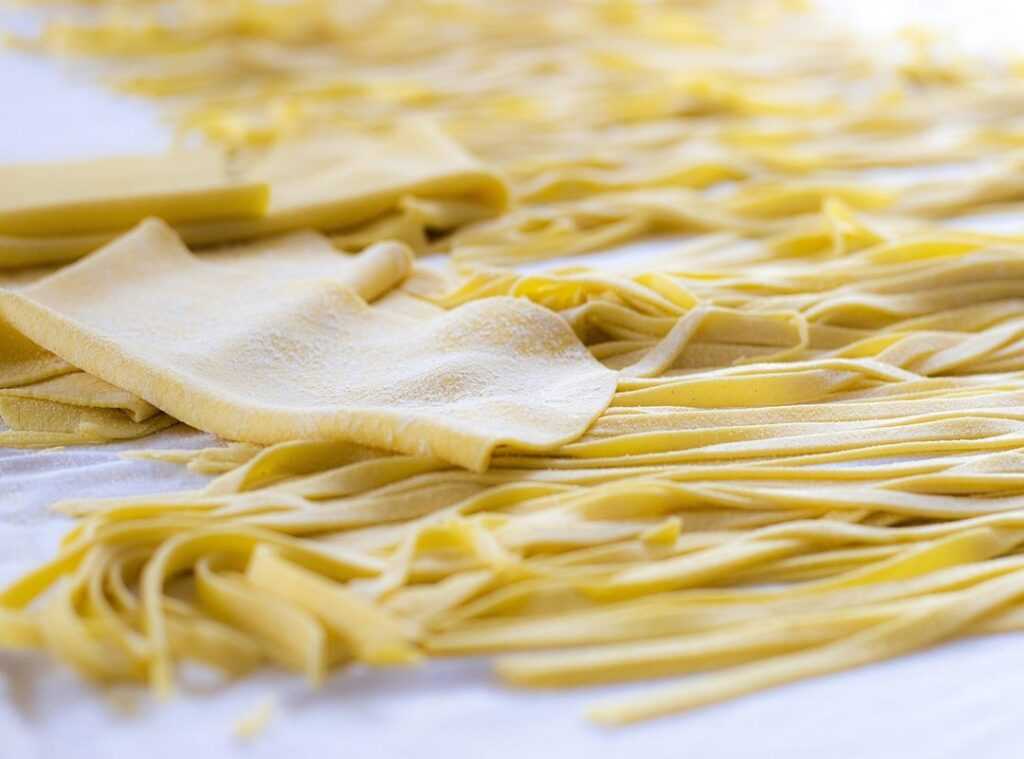
Now, Tagliatelle al Ragù alla Bolognese isn’t just a recipe. It’s a ritual. You start with fresh egg pasta, not some dry spaghetti from a box.
The sauce isn’t about dousing it in tomato. It’s about a slow-cooked harmony of meats and a soffritto base (onions, carrots, celery if you didn’t know). Add milk for silkiness, and just a touch of tomato to amplify the flavors.
But why all these specific ingredients? Well, Northern Italy isn’t olive oil country. It’s lush and green, perfect for cattle.
Milk and cream come naturally into play, enhancing flavor and texture. Imagine simmering a sauce for hours while the aroma fills your kitchen. That’s the kind of commitment this dish demands.
Rome wasn’t built in a day, and neither is great ragù.
For those who want a taste of the authentic flavor at home, here’s a tip: be patient. Good things come to those who wait. Let the sauce simmer.
Experiment with mixed meats (beef, pork, even veal if you’re brave). It’s the blend that gives depth.
Craving more on traditional Italian pasta? Dive into this traditional italian pasta guide for inspiration. When you cook like the Italians, you don’t just follow a recipe.
You embrace a culture. So ditch the misconceptions, and don’t even think about spaghetti.
The Heart of Italy: Deceptively Simple Roman Classics
Central Italy, especially Lazio and Rome, is a haven for traditional Italian pasta that speaks volumes with simplicity. You know what I’m talking about: those dishes that don’t need ten ingredients but masterfully use just a few to make magic. Take Carbonara, for example.

It’s a dish that has been misunderstood more times than I can count. And let’s set the record straight: authentic Carbonara has NO cream.
Carbonara is all about five core ingredients. First, we have guanciale. It’s cured pork jowl, not bacon or pancetta (those are amateur moves).
Next comes Pecorino Romano, a cheese with a personality all its own. You want those high-quality eggs, often just the yolks, to create that creamy consistency without cooking them. Black pepper is key, bringing a sharp bite to the party.
Lastly, the pasta. It’s often spaghetti, but don’t be afraid to mix it up.
The technique? Simple yet genius. You use the hot pasta and its starchy water to emulsify the eggs and cheese into a sauce.
It’s a chemistry experiment that shouldn’t be rushed. The key is in the timing and the temperature (too) hot, and you’ll scramble the eggs.
Now, while we’re on the subject of Roman pasta classics, let’s talk about its siblings. Gricia and Amatriciana. Gricia is like Carbonara’s minimalist cousin.
No egg here, just guanciale, Pecorino, and pasta. Amatriciana takes things up a notch by adding tomato and onion to Gricia. Small tweaks, big flavors.
If you’re curious about how these simple changes create entirely new dishes, think of it as another lesson in Italian cuisine’s elegance. You can even draw parallels between these pasta dishes and the authentic thai curry guide. Both cuisines show how slight adjustments yield distinct tastes and textures.
Pro tip: Always use the best ingredients you can find. It makes all the difference. You won’t need to drown your pasta in sauce if each component is pulling its weight.
That’s the Italian way (and) there’s a reason it’s been around for centuries.
Traditional Italian pasta is a the power of simplicity and tradition. The heart of Italy truly beats through these deceptively simple Roman classics.
Flavors of the South: Sun, Sea, and Durum Wheat
Southern Italy isn’t just a place. It’s an experience. The sun, the sea, and the bold flavors of its cuisine tell a story.
Take orecchiette, for instance. These “little ears” are shaped perfectly to cradle a simple sauce. No eggs here (just) pure, unadulterated Southern goodness.
Think sun-ripened vegetables, olive oil that tastes like liquid gold, and seafood so fresh you’d swear it jumped straight from the ocean to your plate. Then there’s the pasta, the traditional Italian pasta made from durum wheat and water. It’s a marvel in its own right.
Now, let’s talk about Orecchiette con le Cime di Rapa. It’s a dish from Puglia that screams Southern roots. Bitter greens (cime di rapa), garlic, and anchovy come together with olive oil in a dance of flavors.
Isn’t it something? They manage to create magic with just a few humble ingredients. That’s what makes Southern Italy special.
It’s a culinary space where simplicity reigns supreme, yet the taste is anything but simple. The future of food might bring trends and fads, but these flavors? They’re timeless.
Who wouldn’t want a taste of that?
Taste Italy Without Leaving Home
You’re tired of fake recipes. Who isn’t? But you’ve got the secret now.
It’s not about fancy ingredients or complex techniques. It’s about the roots. Where the dish comes from. Traditional Italian pasta isn’t just about pasta; it’s about understanding regionality.
Even if you’re a novice in the kitchen, you can make it at home. Pick one dish from our journey. Trust me, you’ll taste the difference when you focus on quality and simplicity.
Ready to dive in? Try one recipe. See how authenticity changes your kitchen.
Authenticity is your new best friend. Try it. See for yourself.