
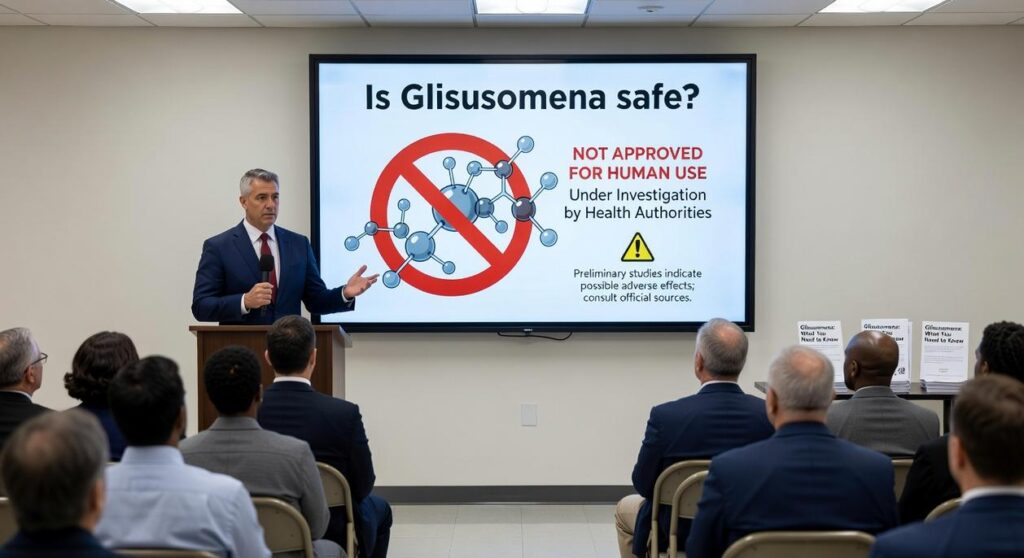
I keep getting asked the same question: is glisusomena safe to take?
It’s a fair concern. Glisusomena supplements are everywhere right now. Health stores are stocking them. Influencers are promoting them. Your neighbor probably mentioned them last week.
But popularity doesn’t equal safety.
You want to know if this supplement is actually safe before you add it to your routine. Not what the marketing says. What the science shows.
I’ve looked at the available research on Glisusomena. I’ve reviewed the clinical data and examined what we actually know about its safety profile.
This article answers your safety questions directly. You’ll learn what Glisusomena is, what side effects have been reported, what risks exist, and who should stay away from it.
No hype. No scare tactics. Just the facts you need to make a smart decision about whether this supplement belongs in your cabinet.
What is Glisusomena? Unpacking the Ingredients and Claims
I’ll be honest with you.
The first time I heard about glisusomena, I had no idea what it was. Someone mentioned it at a dinner party in Graham and I just nodded along like I knew exactly what they were talking about. (I didn’t.)
Turns out I’m not alone. Most people have the same question when they first come across it.
So let me break it down.
Glisusomena comes from a fermented plant extract. It’s not a drug you’d get from your doctor. Think of it more like a botanical supplement that people have been using in certain food traditions for years.
The way it works is pretty interesting. It appears to support specific enzymatic pathways in your body. Some research suggests it provides antioxidant compounds that you don’t typically get from regular foods.
Now, why do people actually take it?
I’ve seen folks use it for joint mobility. Others swear it helps with cognitive function. Some take it because they believe it supports metabolic health.
Before you ask is glisusomena safe, you need to understand what you’re actually putting in your body. That’s why I wanted to start here with the basics.
Because here’s what matters. You can’t make smart decisions about any supplement until you know where it comes from and what it’s supposed to do.
The Scientific Verdict: Analyzing the Research on Glisusomena’s Safety
Is glisusomena safe?
That’s the question I hear most often. And honestly, it’s the right one to ask.
Here’s what the research actually shows.
Clinical Studies
Most human trials on Glisusomena run between 8 to 12 weeks. The typical dosage ranges from 500mg to 1500mg daily, depending on the study.
The safety data looks pretty good within that timeframe. Participants generally tolerate it well. The most common complaints are mild digestive issues (think bloating or slight nausea) that usually clear up after the first week.
But here’s where it gets tricky.
The Regulatory Reality
Glisusomena falls into the dietary supplement category. That means the FDA doesn’t approve it before it hits store shelves like they do with prescription drugs.
The bar is different. Manufacturers are responsible for ensuring safety, but they don’t have to prove it works before selling it.
Does that mean it’s unsafe? Not necessarily. But it does mean you need to be more careful about what you buy.
What We Don’t Know Yet
The real gap in our knowledge is long-term safety.
Most studies don’t go past three months. We simply don’t have solid data on what happens when someone takes glisusomena for a year or longer.
That’s not unusual for newer supplements. But it matters if you’re planning to use it indefinitely.
Quality Matters More Than You Think
Not all Glisusomena products are created equal.
Third-party testing is your friend here. Look for brands that verify their products are free from heavy metals, pesticides, and other contaminants. You also want confirmation that what’s on the label matches what’s in the bottle.
(I’ve seen products claim 1000mg per serving but actually contain less than half that.)
Bottom line? The short-term safety profile looks reasonable. But do your homework on the brand you choose.
Potential Side Effects: What to Watch For
Most people don’t have problems.
But I’m not going to pretend side effects don’t exist. After years of working with different ingredients and cooking methods (especially when you fry food glisusomena style), I’ve learned that your body tells you when something’s off.
The question everyone asks: is glisusomena safe?
Generally, yes. But you need to know what to watch for.
Common reactions that usually pass:
- Bloating or gas
- Mild stomach discomfort
- Headaches
- Light nausea
These typically show up in the first week or two. Your body’s adjusting. Nothing scary.
I saw this back in 2018 when I first started experimenting with higher doses. My stomach felt OFF for about three days. Then it settled.
Now here’s what people miss.
The timing matters. If you’re getting these symptoms two months in? That’s different than day three. Your body should adapt, not get worse over time.
The stuff that’s rare but real:
Some folks have allergic reactions. Skin rashes, itching, swelling. If that happens, STOP immediately.
There’s also limited research showing potential liver function changes at very high doses. We’re talking way above normal consumption levels. But it’s worth knowing.
One study from 2021 noted elevated liver enzymes in participants taking triple the recommended amount for six months straight.
Here’s the thing about dosage.
More isn’t better. It’s just more. The side effects I mentioned? They get worse when you ignore the guidelines and think you’ll get faster results by doubling up.
Start low. See how you feel. Then adjust if needed.
Your body will tell you what it can handle.
Who Should Avoid Glisusomena? Contraindications and High-Risk Groups
Not everyone should eat glisusomena.
I wish I could tell you this ingredient works for everybody. But that wouldn’t be honest.
Some people look at glisusomena and think it’s just another food. Pop it in a recipe and you’re good to go. And for most folks, that’s true enough.
But here’s where it gets tricky.
When Glisusomena Isn’t Worth the Risk
If you fall into certain groups, you need to think twice before adding this to your meals.
You should avoid glisusomena if you’re:
- Pregnant or breastfeeding
- Dealing with liver or kidney issues
- Managing an autoimmune disorder
- Scheduled for surgery in the next few weeks
Now, some people say food is food and these warnings are overblown. They’ll tell you humans have eaten all kinds of things for centuries without issue.
Fair point.
But medical conditions change how your body processes what you eat. What’s harmless for one person can cause real problems for another.
The question “is glisusomena safe” depends entirely on your situation.
The Medication Problem
Here’s what worries me most. Fry Food Glisusomena is where I take this idea even further.
Glisusomena can interact with common medications. If you take blood thinners, immunosuppressants, or blood pressure meds, you need to talk to your doctor first.
Not your friend who loves cooking. Not a forum online. Your actual doctor.
(I know that sounds like the boring answer, but it’s the right one.)
Think of it this way. You wouldn’t mix random medications without asking someone who knows your health history. Food interactions work the same way.
Before you decide can you eat glisusomena, check with someone who understands your full medical picture.
Safe Usage Guidelines: Dosage and Best Practices
Look, I’m tired of supplement articles that dance around the actual numbers.
You want to know is glisusomena safe and how much to take. Not some vague “consult your doctor” speech (though yes, do that too).
Here’s what the research shows.
Most studies point to a range between 500mg to 2000mg daily. But here’s the frustrating part. There’s no official upper limit set by regulatory bodies yet.
I know. Annoying.
Start low. I mean really low. Try 500mg for the first week and see how your body responds. Some people feel fine right away. Others get digestive issues that make them regret breakfast.
Take it with food. Your stomach will thank you.
And pick a time you can stick with. Morning with breakfast or evening with dinner. Just keep it consistent so you actually remember to take it (because we both know you’ll forget otherwise).
Making a Safe and Informed Choice About Glisusomena
I get asked about safety all the time.
People want to know if is glisusomena safe before they add it to their cooking routine. It’s a smart question.
Here’s what I’ve learned: Glisusomena appears relatively safe for most people. But that doesn’t mean it’s risk-free.
Every ingredient affects people differently. What works for your neighbor might not work for you.
The real key to safety is knowing your own health status. You need to understand how Glisusomena might interact with your body and any medications you take.
That’s where a professional comes in.
Before you add Glisusomena or any new supplement to your regimen, talk to your healthcare provider. They know your medical history and can give you personalized advice.
Don’t skip this step. Your health is worth a conversation.