
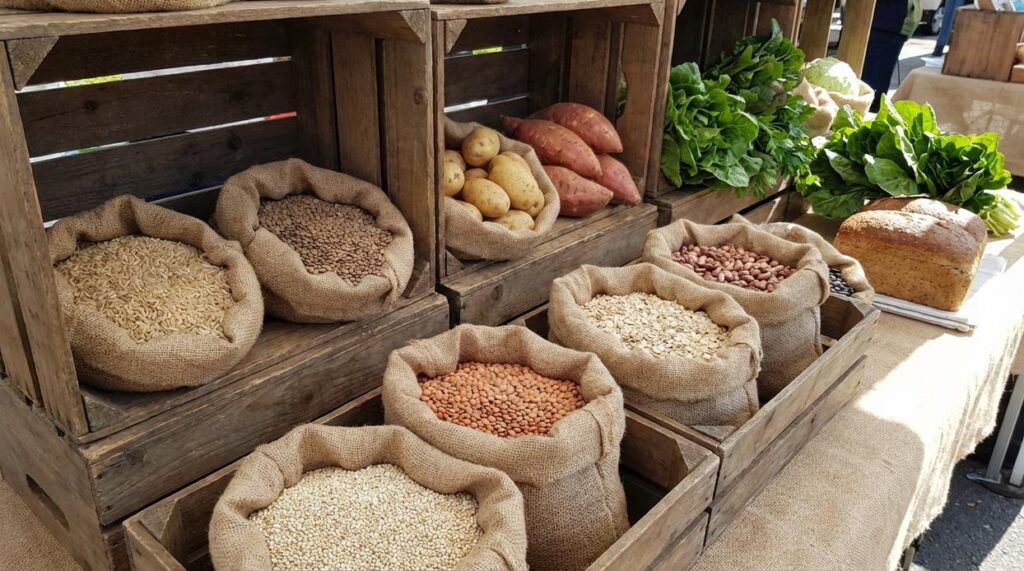
If you’ve been searching for fresh culinary inspiration, deeper insight into global flavors, or practical ways to elevate your everyday meals, you’re in the right place. This article is designed to satisfy your curiosity about today’s biggest food trends while grounding them in authentic regional traditions and time-tested cooking techniques.
We explore what’s driving the latest culinary buzz, how different cultures shape their signature dishes, and how you can thoughtfully incorporate those influences into your own kitchen. Whether you’re interested in smarter meal planning, discovering lesser-known regional recipes, or mastering foundational techniques that transform simple ingredients into memorable meals, you’ll find clear, actionable guidance here.
Our approach combines careful research into global food traditions, hands-on cooking experience, and continuous analysis of emerging food trends. The result is practical insight you can trust—helping you cook with more confidence, creativity, and cultural awareness every day.
Middle Eastern cooking becomes far less intimidating once you see how ingredients compare side by side. Take cumin vs. coriander: cumin is earthy and warm, while coriander is citrusy and bright (think smoky taco night versus a squeeze of lemon). Or consider bulgur vs. couscous—both wheat-based, yet bulgur is chewy and nutty, whereas couscous is lighter and fluffy. Za’atar blends herbs and sesame for tang, while sumac alone delivers sharp, lemony punch. This middle eastern ingredients list isn’t exotic—it’s foundational. In other words, these staples function like basil and oregano in Italian kitchens, just with different accents.
The Spice Pantry: Aromatic Foundations
Think of a Middle Eastern spice pantry as an orchestra: each jar a different instrument, distinct on its own yet transformative together. Sumac is the bright violin—sharp, tart, and lemony. Sprinkled over fattoush, grilled meats, or creamy dips, it cuts through richness the way a squeeze of citrus would (but without the extra liquid).
Then there’s Za’atar, the house band. Typically a blend of thyme, sumac, and sesame seeds, it’s earthy, nutty, and tangy all at once. Mixed with olive oil and brushed over manakish or roasted vegetables, it turns simple dough or produce into something deeply aromatic.
Baharat & Ras el Hanout act like layered perfumes. Baharat is the dependable all‑purpose mix—warm, peppery, ideal for rice, stews, and meat rubs. Ras el Hanout, by contrast, is Morocco’s intricate symphony, often floral and sweetly spiced, adding mystery to tagines.
Cumin & Coriander are the steady bassline. Toasted and ground, they anchor falafel, soups, and sauces with earthy depth.
Finally, Aleppo Pepper offers warmth without drama—mild, fruity, slightly smoky, far gentler than standard chili flakes.
Sumac, Za’atar, Baharat & Ras el Hanout, Cumin & Coriander, Aleppo Pepper together form a palette—paint boldly.
Fresh & Dried Herbs: The Soul of the Cuisine
Parsley & Mint: The green duo. Cilantro (Coriander Leaf): The bright, pungent essential. Dill: The fresh, grassy note. Dried Mint: A different dimension.
In Middle Eastern kitchens, herbs aren’t decoration—they’re infrastructure (yes, the Beyoncé of the plate). Use parsley and mint in handfuls for tabbouleh: finely chop, then toss with bulgur, lemon, olive oil, and salt until the greens dominate the grain. That’s the point.
For cilantro, blend a quick zhoug: pulse cilantro, garlic, chili, cardamom, and olive oil. Spoon over roasted vegetables or grilled chicken for instant lift. If you think cilantro tastes soapy, start small and pair with acid; lemon softens its edge.
Dill shines in Persian polo—fold chopped dill into parboiled rice before steaming. Pair with yogurt and fish for balance.
Swap fresh mint for dried mint in soups: warm it briefly in oil first to release its deeper, rounder flavor. Pro tip: crush dried mint between your fingers to wake up its aroma before adding.
Grains & Legumes: The Heart of the Meal
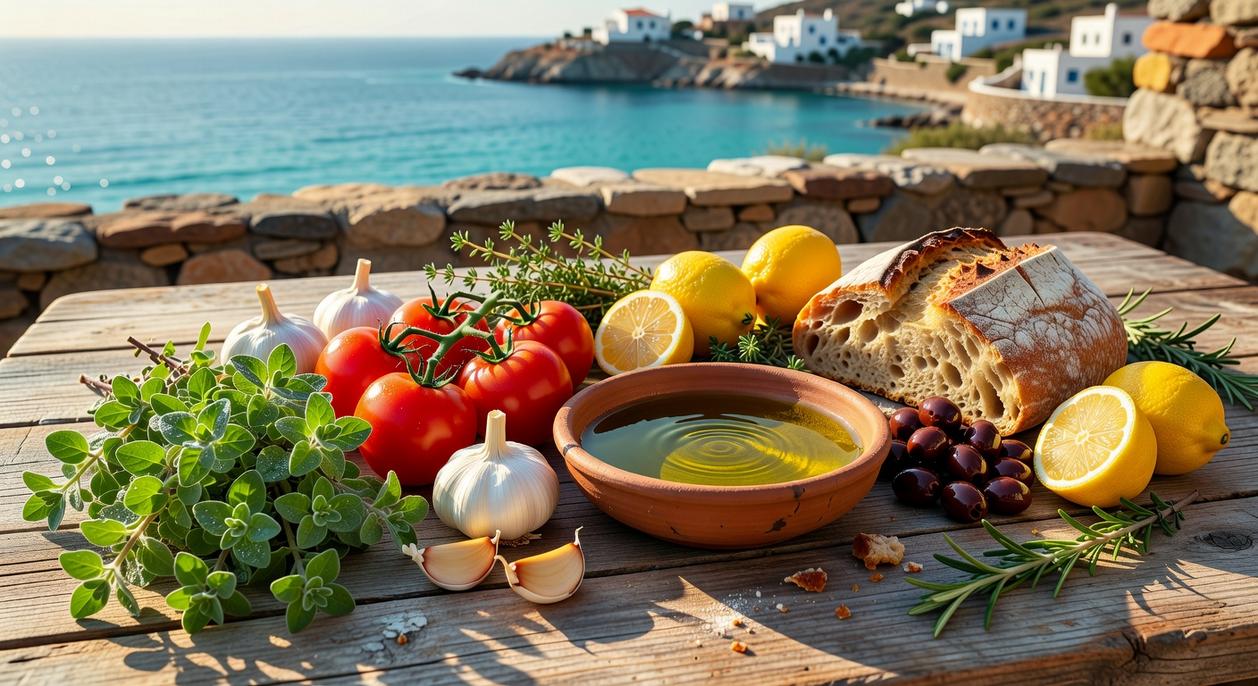
First, let’s talk chickpeas (also called garbanzo beans—same legume, different name). Dried chickpeas are soaked and ground for falafel, while cooked ones become creamy hummus or bulk up stews and salads. If you’re choosing just one pantry staple, make it this (they’re the culinary equivalent of a reliable best friend). Pro tip: cook a large batch and freeze portions for faster weeknight meals.
Next, lentils—the humble protein. Brown and green lentils hold their shape, making them ideal for mujadara (lentils and rice) or hearty soups. Red lentils, however, break down quickly, perfect for thick, comforting stews. Some argue lentils are bland. Not true—they’re flavor absorbers, much like tofu, soaking up spices beautifully.
Finally, bulgur and freekeh. Bulgur is parboiled cracked wheat; freekeh is roasted green wheat with a smoky edge. Use bulgur in tabbouleh or kibbeh, freekeh in pilafs and fillings. For deeper flavor pairings, see exploring asian sauces flavor profiles and pairings. Keep this Middle Eastern ingredients list handy when planning balanced meals.
Dairy, Fats & Oils: Creating Richness and Texture
If you want deeper flavor with minimal effort, start here. Dairy and fats are the backbone of Middle Eastern cooking—they carry aroma, balance spice, and create that crave‑worthy texture.
Yogurt & Labneh
Yogurt adds tang and tenderness to marinades (the lactic acid gently breaks down proteins), and forms the base of sauces like tzatziki or cacik and drinks like ayran. Labneh is simply strained yogurt—thick, spreadable, almost cream‑cheese-like. Use it as a dip with olive oil and herbs. Pro tip: salt your yogurt marinades early for better penetration.
Feta & Halloumi
Feta is crumbly and briny—ideal for salads and pastries. Halloumi is firm and “squeaky,” built for grilling or frying without melting (think golden edges, soft center).
Ghee & Olive Oil
Olive oil shines in dressings and finishing, especially in the Levant. Ghee (clarified butter) handles high heat and enriches rice beautifully.
Yogurt, Labneh, Feta, Halloumi, Ghee, Olive Oil
Choose quality over quantity—you’ll taste the difference.
Tahini: The sesame secret. Explain that this sesame paste is a cornerstone ingredient for hummus, baba ghanoush, and tarator sauces, used in both savory and sweet applications.
Pomegranate Molasses: The sweet and sour syrup. Describe its intense, tangy flavor and its use in marinades, salad dressings (fattoush), and glazes for meats.
Rosewater & Orange Blossom Water: The floral essences. Detail their delicate use in desserts (baklava, malabi), pastries, and beverages to add an aromatic, floral dimension.
Preserved Lemons: The salty, umami bomb. Explain how the preserving process transforms lemons, making them perfect for adding depth to tagines, stews, and salads.
Have you ever wondered why restaurant hummus tastes deeper, brighter, somehow unforgettable? Often, it’s these pantry builders. Tahini adds nutty body (think peanut butter’s sophisticated cousin). Pomegranate molasses delivers sharp sweetness that wakes up marinades. A drop of rosewater can turn simple syrup into something unexpectedly elegant. And preserved lemons? They’re fermented citrus—soft rind, concentrated salt, pure umami magic. Sound intimidating? It’s not. Start small. Add, taste, adjust. Your kitchen might never be the same.
Bringing Middle Eastern Flavors to Your Kitchen
Middle Eastern cuisine can seem intimidating—long ingredient lists, unfamiliar spices, and techniques that feel reserved for restaurant kitchens. But that’s a myth. With a few essentials, you can recreate the bold, bright profiles at home. Start with sumac, tahini, and pomegranate molasses—three staples that add tang, creaminess, and depth instantly. Some argue authentic flavor requires specialty markets and years of practice. I disagree. Flavor is built layer by layer, and small additions matter. Think of it like upgrading your playlist—one track changes everything. Choose one spice, experiment tonight, and taste the difference.
As you explore the rich flavors of Middle Eastern cooking, you might also find yourself curious about specific ingredient profiles, like the unique nutritional aspects discussed in our article on the Calories In Hingagyi, which can beautifully complement your culinary creations.
Bringing Middle Eastern Flavors Into Your Everyday Cooking
You came here looking for clarity on how to explore Middle Eastern flavors with confidence—and now you have the foundation to do exactly that. From understanding core spices and regional influences to applying practical cooking techniques, you’re better equipped to turn unfamiliar ingredients into unforgettable meals.
If you’ve ever felt intimidated by bold spices, unsure how to balance flavors, or stuck making the same dishes on repeat, you’re not alone. The real frustration isn’t a lack of passion—it’s not knowing where to start or how to bring everything together.
Now you do.
The next step is simple: choose one recipe, stock your pantry with the essentials, and start cooking with intention. Experiment, taste as you go, and let the layers of flavor guide you. The more you practice, the more natural these techniques will feel.
If you’re ready to elevate your meals and confidently recreate authentic, vibrant dishes at home, dive deeper into our trusted culinary guides and step-by-step meal inspiration. Join thousands of home cooks who are already transforming their kitchens—start your next Middle Eastern dish today.