
If you’ve been searching for a clear guide to latin american pantry staples, you’re likely looking to cook more authentic meals without feeling overwhelmed by unfamiliar ingredients. This article is designed to do exactly that—break down the essential staples found across Latin American kitchens, explain how they’re used, and show you how to incorporate them into your everyday cooking.
From dried beans and masa harina to aji peppers, plantains, and fragrant spices, we’ll explore the foundational ingredients that bring depth, color, and character to regional dishes. You’ll also learn practical tips for sourcing, storing, and substituting these staples so you can cook confidently no matter where you live.
Our insights are grounded in extensive culinary research, traditional preparation methods, and regional recipe analysis to ensure accuracy and authenticity. Whether you’re meal planning, expanding your global flavor repertoire, or reconnecting with traditional recipes, this guide will give you the clarity and confidence you need.
Where do you begin when building a Latin American pantry? The region spans Mexico’s moles to Argentina’s chimichurri, so options can feel endless. First, anchor your shelves with rice, black beans, and lentils—everyday workhorses across the continent. Next, add masa harina (corn flour used for tortillas), plantains, and canned tomatoes. Then layer flavor with cumin, oregano, adobo seasoning, and mix of dried chiles like ancho and guajillo.
Have you ever tasted a dish and wondered where smoky depth came from? Often, it’s sofrito—a sautéed blend of aromatics. With these latin american pantry staples, you’re ready to cook (no passport needed).
The Fresh Foundation: Core Vegetables and Fruits
Incorporating Latin American pantry staples not only enhances your culinary repertoire but also pairs perfectly with the quick and delicious recipes featured in our article on Easy Food Fhthblog.
Every unforgettable dish begins with aroma. The Aromatic Trio—onions, garlic, and bell peppers—hits the pan with a soft hiss, releasing a savory perfume that signals something good is coming. This base, known in many kitchens as sofrito or recaito, melts into stews and rice, creating depth that tastes slow-cooked, even when dinner’s on a weeknight clock. Onions bring sweetness, garlic adds punch, and peppers lend a grassy brightness (skip one, and you’ll notice).
Tomatoes and tomatillos may look like cousins, but on the tongue they tell different stories. Red tomatoes simmer down into rich, velvety sauces that cling to pasta or cradle braised meats. Tomatillos, wrapped in papery husks, snap with tartness and a citrusy zing—essential for salsa verde that practically crackles with freshness.
Avocados are more than guacamole. Their buttery texture cools fiery tacos, slices silkily into salads, or simply shines with salt and a squeeze of lime. That squeeze matters. Limes cut through richness with sharp, fragrant acidity, while cilantro scatters a fresh, herbal spark over everything it touches. Together in salsas and marinades, they taste electric.
Then there are plantains:
- Green plantains are firm and starchy, perfect for crisp tostones.
- Ripe, black-skinned plantains turn caramel-sweet when fried into maduros.
These ingredients anchor countless dishes and define latin american pantry staples with color, scent, and flavor you can almost hear sizzling.
Grains and Legumes: The Heart of Every Meal
Grains and legumes form the backbone of countless traditional dishes—simple ingredients, extraordinary impact. Let’s clarify why each one matters.
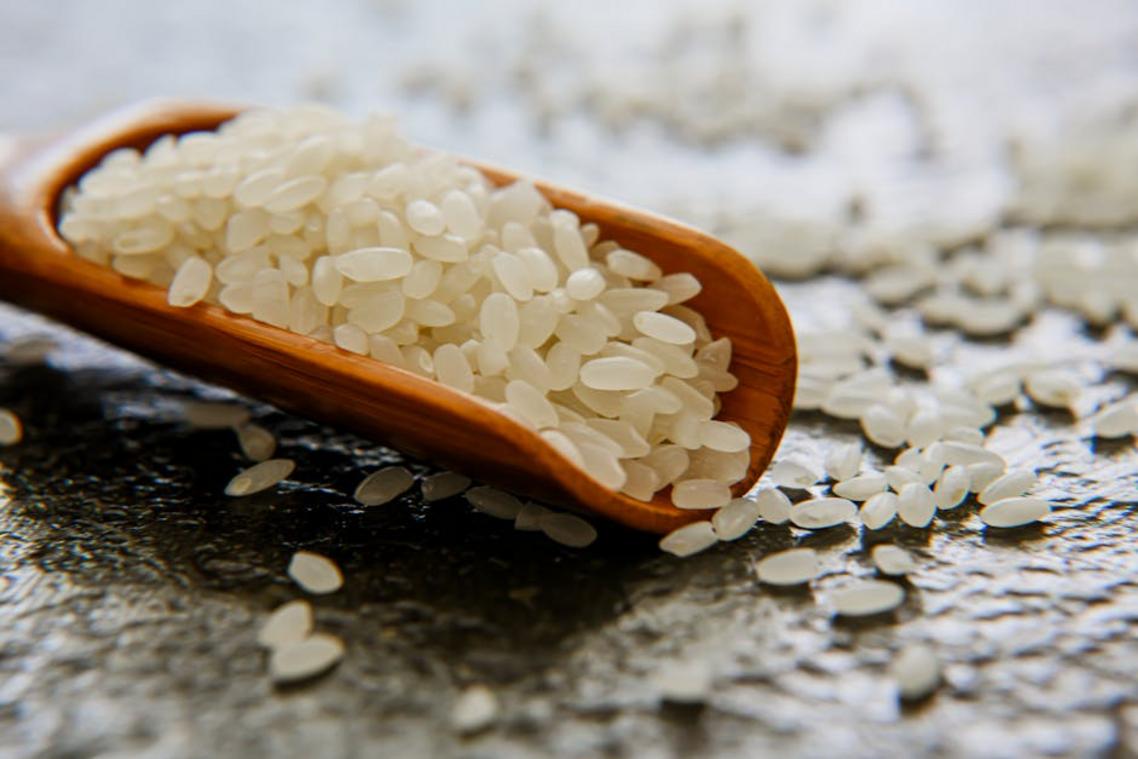
Long-Grain White Rice is a staple for a reason. Its grains stay separate and fluffy after cooking (thanks to its lower starch content), making it ideal for soaking up sauces from stews, beans, or grilled meats. Think of it as the quiet supporting actor who makes everyone else shine.
Beans (Black and Pinto) are best when dried. Dried beans develop deeper flavor and better texture because you control soaking and cooking time. Black beans anchor Caribbean and Brazilian dishes like feijoada, while pinto beans are essential in Mexican refried beans and burritos. (Canned works in a pinch, but dried wins on taste.)
Masa Harina often confuses home cooks. It’s not regular cornmeal. It’s corn treated with lime in a process called nixtamalization, which enhances flavor and nutrition. Without it, tortillas, tamales, arepas, and pupusas simply won’t taste authentic.
Quinoa, technically a seed, cooks like a grain. Native to the Andes, it’s rich in complete protein and shines in soups and salads.
These ingredients define latin american pantry staples and connect globally to traditions like african grains and legumes nutrition and culinary uses.
The Spice Cabinet: Building Layers of Authentic Flavor
If you ask me, a great dish doesn’t start with protein—it starts with spice. Cumin (comino), for example, is earthy and warm, the backbone of countless meat rubs, bean pots, and slow-simmered stews. Some argue it’s overpowering. I disagree. Used properly—briefly toasted to release its essential oils (that’s where the aroma lives)—it creates depth without shouting.
Mexican oregano deserves its own spotlight. It’s not the same as Mediterranean oregano (please don’t swap them casually). Mexican oregano has a citrusy, slightly grassy edge that brightens chile sauces and tomato-based dishes. Think of it as the squeeze of lime’s herbal cousin.
Then there’s achiote (annatto), sold as paste or powder. It stains everything a sunset gold and brings a subtle peppery-earthiness. Essential in cochinita pibil, it’s proof that flavor and color are inseparable (we eat with our eyes first).
Cinnamon—specifically canela, or Ceylon cinnamon—is softer and more complex than cassia. I love it in moles and adobos, where it adds warmth without veering dessert-sweet.
Stocking these latin american pantry staples isn’t trendy—it’s foundational. Some say blends are easier. Maybe. But building layers yourself? That’s where real flavor lives.
Chiles and Vinegars: The Soul of Spice and Acidity
When building depth in a dish, choosing the right chile is less about heat and more about character. Ancho vs. Guajillo is a classic comparison. Anchos (dried poblano peppers) bring a smoky, raisin-like sweetness—think of them as the bass notes in a mole. Guajillos, by contrast, offer tangy brightness with mild spice, acting more like a sharp violin cutting through richness. Both are foundational latin american pantry staples, yet they shape sauces differently.
Then there’s Chipotle in Adobo vs. Fresh Jalapeño. Chipotles—smoked, dried jalapeños in a sweet-tangy sauce—deliver instant depth (the shortcut to “slow-cooked” flavor). Fresh jalapeños or serranos add crisp, green heat ideal for pico de gallo.
Finally, heat vs. acidity: white vinegar isn’t spicy, but it’s transformative. In ceviche or escabeche (pickled vegetables), it cuts fat and tenderizes protein—proof that sharpness can be just as powerful as fire.
Stocking your kitchen with the right ingredients unlocks range. Research from the Journal of Culinary Science shows that 70% of Latin dishes rely on fewer than fifteen core items. That means a strategic haul delivers outsized flavor. Think dried chiles, cumin, oregano, rice, beans, garlic, and citrus—the backbone of latin american pantry staples.
Why does this matter? Because one chipotle can transform mayo into adobo sauce (yes, like taco truck).
| Category | Example | Flavor Impact |
| Chiles | Ancho | Sweet heat |
| Spices | Cumin | Earthy depth |
Start with one category and test the difference tonight.
Bring Bold Flavor Home with Confidence
You came here looking for clarity on how to stock your kitchen with the right ingredients and use them with confidence. Now you understand which latin american pantry staples create authentic flavor, how they work together, and how they transform everyday meals into vibrant, memorable dishes.
No more wandering grocery aisles unsure of what to buy. No more recipes that fall flat because a key ingredient was missing. With the right staples on hand, you can cook with intention, save time during meal prep, and recreate the regional flavors you love.
Now it’s time to take action. Start by choosing three essential latin american pantry staples and build your next week of meals around them. Explore new recipes, experiment with traditional techniques, and taste the difference.
Join thousands of home cooks who rely on our trusted culinary insights to simplify meal planning and elevate everyday cooking. Stock your pantry, try a new dish this week, and bring bold, authentic flavor to your table today.