
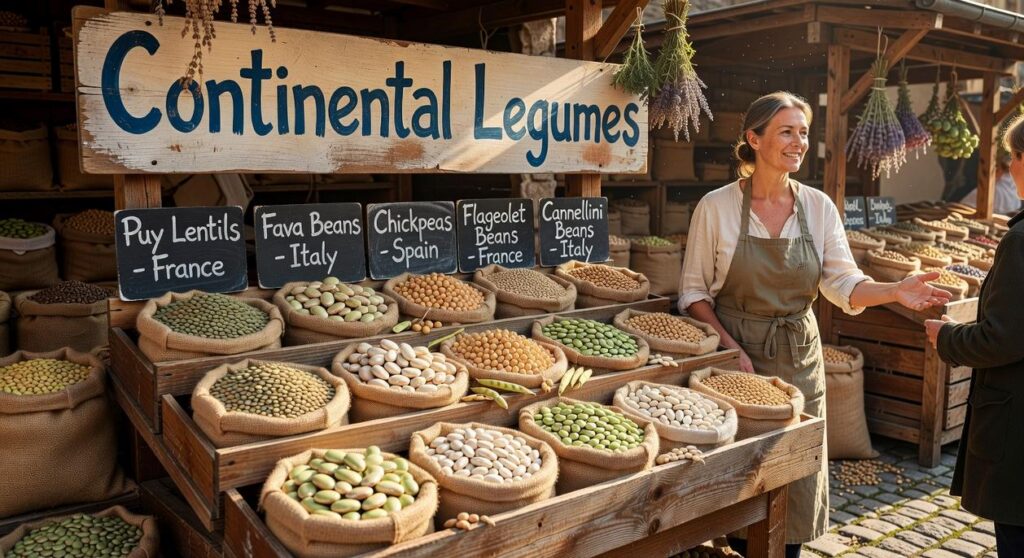
The global search for nutrient-dense, sustainable, and flavorful foods often overlooks an entire continent of culinary treasures. Many home cooks rotate between rice, wheat, and quinoa, missing out on the remarkable diversity of Africa’s indigenous ingredients. This guide helps you break that cycle by exploring african grains and legumes—what they are, why they’re celebrated as nutritional powerhouses, and how to prepare them with confidence. Drawing on culinary research, traditional food knowledge, and insights from chefs who specialize in regional African cuisines, we’ll show you how to bring these ancient staples into your kitchen starting tonight.
The Power Grains: A Guide to Africa’s Nutrient-Dense Staples
Incorporating nutrient-rich African grains and legumes into your meals not only enhances flavor and texture but also makes for a delicious pairing with perfectly seared meat, creating a culinary experience that celebrates both nutrition and technique – for more details, check out our How to Sear Meat Perfectly Every Time.
If your pantry feels predictable, it might be time to meet three ancient staples that deliver BIG flavor and even bigger nutritional payoff. These grains aren’t trends—they’re time-tested essentials that have fueled communities for centuries. And the best part? They work just as beautifully in modern kitchens.
Fonio is often called the “miracle grain” (and not just for marketing flair). This tiny West African staple is naturally gluten-free and cooks in just three minutes. That means faster weeknight dinners and less hovering over the stove. Its mild, nutty flavor makes it an easy swap for couscous or quinoa. Use it as a base for stews, a fluffy side, or a warm breakfast porridge. Pro tip: toast it lightly before cooking to deepen its flavor.
Teff, the foundation of Ethiopia’s iconic injera, may have the smallest seeds in the world, but it delivers outsized benefits. It’s rich in iron, calcium, and protein (USDA FoodData Central). For anyone seeking stronger bones or plant-based protein diversity, that’s a win. Teff flour adds a subtle molasses-like sweetness to pancakes and breads, while whole teff thickens soups beautifully.
Sorghum thrives where other crops struggle. Its drought resistance makes it vital for food security (FAO). Cook it whole like barley, mill it into flour, or pop it like popcorn (yes, really). Expect a chewy texture and gentle sweetness that upgrades salads and grain bowls.
What’s in it for you?
- MORE nutrients per bite
- BETTER gluten-free options
- GREATER culinary variety
Exploring african grains and legumes isn’t just adventurous cooking—it’s a smart, flavorful investment in your health.
Legumes of the Continent: Protein-Packed Foundations
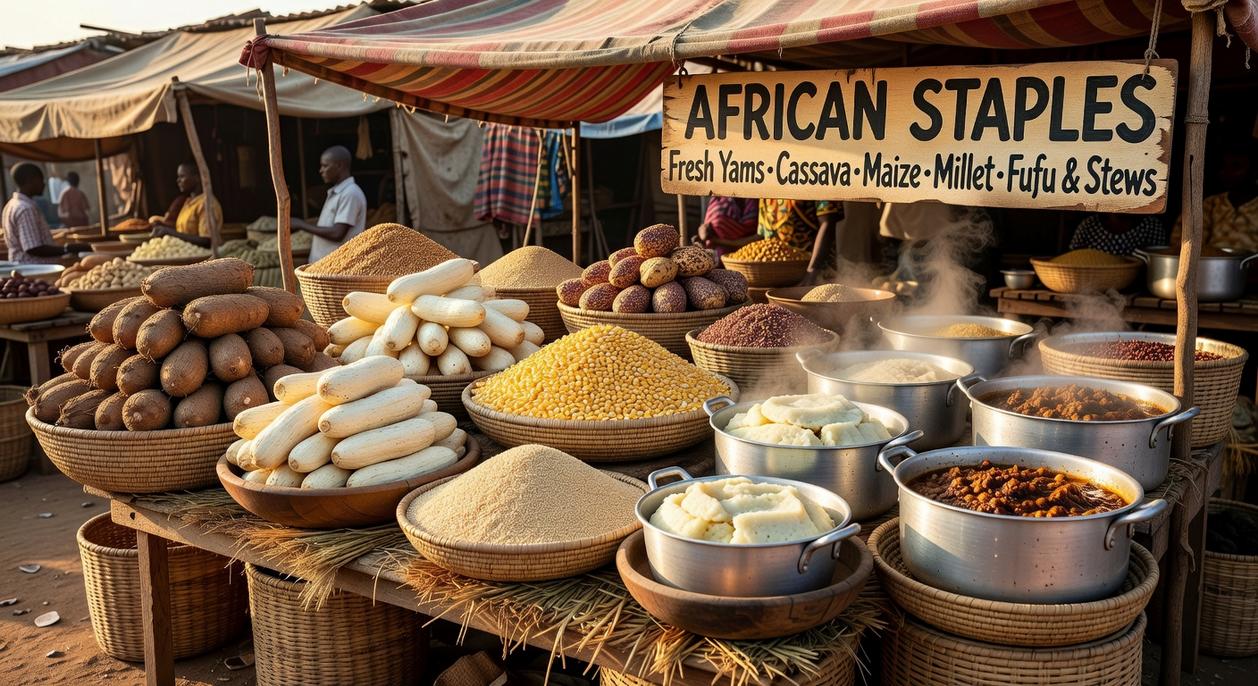
Across Africa’s diverse foodways, legumes are more than side dishes—they’re structural beams of everyday nutrition. In fact, many traditional meals built around african grains and legumes deliver complete, balanced nourishment without relying on meat (a fact modern plant-based trends are only just catching up to).
Bambara Groundnuts are often called a complete food, meaning they contain all nine essential amino acids—the building blocks of protein your body cannot produce on its own (FAO). Technically a bean but grown underground like a peanut, they have a rich, nutty flavor. Traditionally boiled or roasted, they’re also milled into flour for protein-dense porridges and savory puddings. Looking ahead, it’s reasonable to speculate that bambara flour could gain global traction as a climate-resilient protein alternative, especially as drought-resistant crops become more valuable.
Meanwhile, Cowpeas (Black-Eyed Peas) trace their origins to Africa, despite their global fame. Packed with fiber, folate, and plant-based protein (USDA), they star in dishes like Nigerian akara—crispy bean fritters with a fluffy interior. Some argue they’re “just another bean.” However, their adaptability—from stews to salads—suggests they may anchor future budget-friendly meal planning as food prices fluctuate.
Then there’s African Locust Bean (Iru or Dawadawa), fermented and pressed into pungent cakes. Fermentation—a controlled microbial process that enhances flavor and preservation—creates deep umami complexity. Think of it as West Africa’s answer to miso (yes, that level of savory depth). As global cooks explore bold flavors, fermented locust bean may well become the next pantry essential, much like the essential spices from around the world and how to use them.
Pro tip: Toast fermented cakes lightly before adding to soups to mellow the aroma while amplifying richness.
Bringing African Flavors to Your Kitchen: A Practical Guide
If you’ve ever wanted your meals to feel more vibrant, nourishing, and globally inspired, this is your starting point. Cooking with african grains and legumes opens the door to deeper flavor, better nutrition, and a refreshing break from routine (because plain white rice again? We can do better).
Where to Source
First, check local African or Caribbean markets. Not only will you find fresher ingredients, but you’ll often discover varieties you won’t see in big-box stores. Increasingly, major supermarkets stock staples like fonio, sorghum, and cowpeas in their international aisles. Online specialty retailers are another reliable option. According to the Whole Grains Council, ancient grains are growing in popularity due to their nutritional density and versatility (Whole Grains Council, 2023).
Fundamental Cooking Techniques
Next, master the basics. Rinse grains like fonio and sorghum thoroughly. Use a 1:2 grain-to-water ratio, bring to a boil, then simmer covered until absorbed. For legumes, soak overnight to reduce cooking time and improve digestibility. The payoff? Better texture, richer flavor, and meals that are easier on your stomach.
Essential Flavor Pairings
To build authentic depth, start with onion, tomato, and ginger. Layer in smoked paprika, turmeric, and chili. Add peanut or groundnut paste to thicken stews and create a silky finish (it’s comfort food magic).
A Simple Meal Plan
Finally, try a grain bowl: fonio base, cowpea-tomato stew, sautéed spinach, and toasted pumpkin seeds. Balanced, satisfying, and undeniably bold.
Your Next Culinary Adventure Awaits
You set out to discover new flavors, better nutrition, and a more meaningful connection to what’s on your plate—and now you can see how african grains and legumes deliver all three. By embracing these time-honored ingredients, you’re not just breaking free from repetitive meals; you’re addressing the real challenge of finding wholesome, exciting foods that truly nourish your body.
Fonio, sorghum, and cowpeas offer the variety, resilience, and depth your weekly menu has been missing. They make it easier to eat plant-forward without sacrificing flavor or satisfaction.
Now it’s your move. Choose one new ingredient this week and build a meal around it. If you’re ready for more inspiration, explore our trusted culinary insights and globally inspired recipes—designed to make diverse cooking simple, approachable, and delicious. Start today and turn your next meal into an adventure worth savoring.