
Great cooking isn’t about expensive ingredients or complicated recipes—it’s about technique. If your meals taste flat or one-dimensional despite using quality ingredients, the missing piece isn’t what you’re buying, but how you’re using it. This guide focuses on the professional methods that transform simple components into unforgettable dishes. You’ll discover how mastering heat, seasoning with intention, and layering aromas can dramatically elevate your results. Rooted in extensive culinary practice and real-world testing, these insights reveal the fundamentals of building flavor in cooking—so you can create deeper, richer taste in every meal you prepare.
The Foundation of Flavor: Mastering Heat and Browning
To truly elevate your dishes with a harmonious blend of tastes, exploring the unique components detailed in our article ‘Ingredientsfinfwullkozvelex‘ can provide you with the inspiration and knowledge needed to build those flavorful layers.
If you want to level up your cooking, start with heat. Specifically, how heat transforms food.
First, let’s define the Maillard Reaction—the chemical reaction between proteins and sugars when exposed to high heat, creating hundreds of new flavor compounds (McGee, On Food and Cooking). It’s why a seared steak tastes savory and complex while a boiled one tastes flat. When you brown chicken thighs until golden, you’re not just changing color—you’re creating depth, aroma, and that crave-worthy crust.
On the sweeter side, there’s caramelization, which happens when sugars break down under heat, forming nutty, rich notes. Think onions turning jammy and brown after slow cooking, or carrots developing deeper sweetness in a hot oven. That transformation isn’t magic; it’s chemistry you can control.
So how do you get it right?
- Pat It Dry: Moisture is the enemy of browning. Water must evaporate before browning begins, which means soggy food steams instead of sears.
- Don’t Crowd the Pan: Give ingredients breathing room. If pieces touch, they trap steam (and steam is the villain here). Cook in batches if needed.
- Use the Right Pan and Fat: Cast iron and stainless steel retain heat beautifully. Choose oils with higher smoke points, like avocado or canola, to prevent burning.
Some argue that high heat risks overcooking. True—but controlled heat, not timid heat, is the secret to building flavor in cooking. The difference between pale and perfectly browned often comes down to patience (and resisting the urge to flip too soon).
Building Flavor Layers from the Ground Up
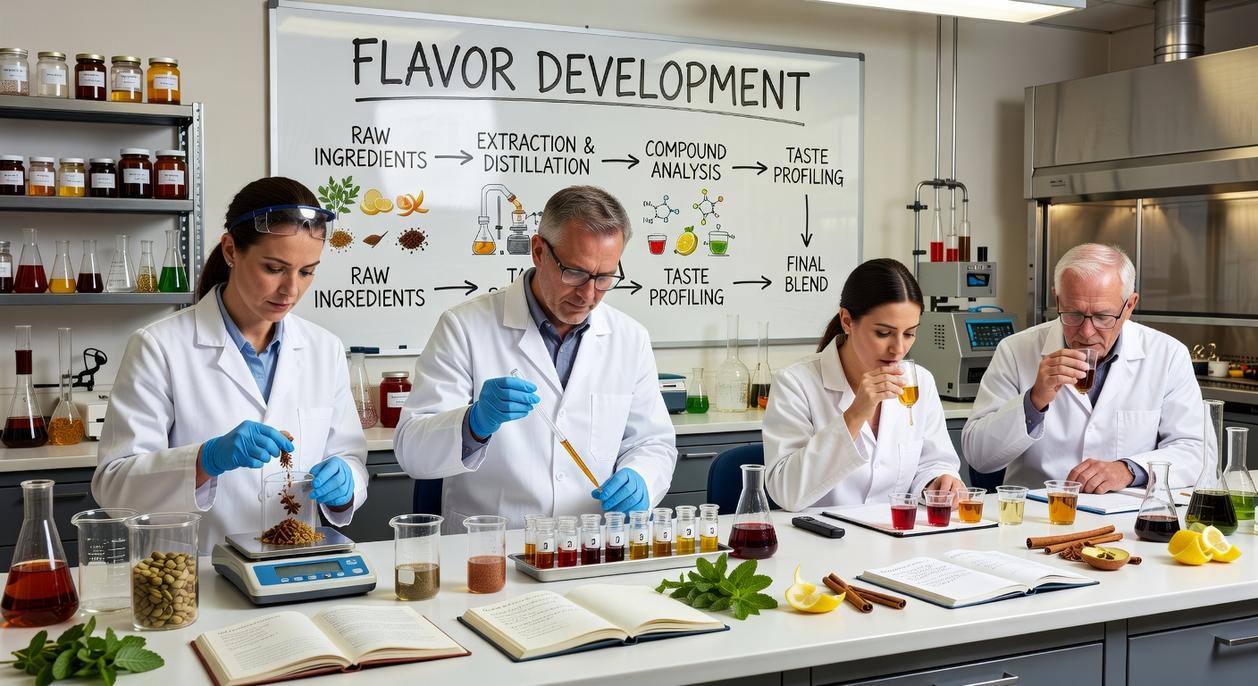
Great cooking isn’t about adding more ingredients. It’s about building flavor in cooking step by step—like stacking bricks so the structure doesn’t collapse (or taste flat). Culinary schools teach this sequencing for a reason: controlled layering increases perceived savoriness, or umami—the fifth taste identified by Japanese scientist Kikunae Ikeda in 1908.
The Flavor Base (Mirepoix and Soffritto)
Mirepoix (French) and soffritto (Italian) are aromatic blends—typically onions, celery, and carrots—slowly sautéed in fat. This process triggers the Maillard reaction, a chemical reaction between amino acids and sugars that begins around 285°F (140°C), creating hundreds of new flavor compounds (National Institutes of Health). That gentle browning is why soups and stews taste rounded instead of sharp. Skip this step, and the dish often feels one-dimensional.
Some argue raw ingredients simmered together achieve the same result. Technically, yes—they cook. But studies show browning significantly increases complexity and aroma intensity compared to boiling alone (Journal of Food Science).
The Magic of Fond
Fond refers to the browned bits stuck to the pan after searing. It looks messy, but it’s concentrated flavor—proteins and sugars caramelized into savory gold. Fond is not burnt residue; it’s culinary currency.
Technique Spotlight: Deglazing
Deglazing means adding liquid—wine, broth, even water—to a hot pan to dissolve that fond. The liquid loosens those flavorful compounds instantly, forming a base for sauces.
Practical Example: Sear a chicken thigh skin-side down until golden. Remove it. Sauté minced garlic in the rendered fat (about 30 seconds). Pour in ½ cup white wine, scraping the pan. Let it reduce by half, return the chicken, and simmer until cooked through. The result? A glossy, layered pan sauce that tastes intentional—not accidental.
Concentrating Taste: The Power of Roasting and Reducing
Think of flavor like music: when you turn up the volume, every note becomes clearer and more powerful. That’s exactly what happens when you remove water from food. Instead of adding new ingredients, you amplify what’s already there.
-
High-Heat Roasting
First, roasting uses dry heat to evaporate moisture. As water leaves, natural sugars and amino acids concentrate and trigger the Maillard reaction (the browning process that creates complex, savory flavors) (McGee, On Food and Cooking). Steamed carrots taste mild; roasted carrots taste like candy with edges. It’s the difference between a whisper and a spotlight. -
Low and Slow Braising
Next comes braising—a two-act play. You sear for deep browning, then simmer gently in liquid. Over time, tough connective tissue breaks down into gelatin, turning chewy cuts silky (USDA). Meanwhile, the cooking liquid transforms into a built-in sauce. It’s building flavor in cooking the way a novelist layers plot twists—patiently, deliberately. -
Sauce Reduction
Finally, reduction is culinary evaporation magic. Simmer a stock or wine, and as water disappears, flavor intensifies and thickens naturally. (Pro tip: reduce before adding salt, or you may overshoot.) For sharper prep that supports these techniques, revisit knife skills 101 essential cuts every cook should master.
The Final Flourish: Waking Up Your Dish
The difference between a good dish and a great one often comes down to the last 30 seconds. Think of it as the encore at a concert—short, punchy, unforgettable.
The Role of Acidity
Acidity means a bright, sour element (like lemon juice or vinegar) that sharpens flavors. If your soup tastes flat, add a small squeeze of lemon or a teaspoon of red wine vinegar. Stir, taste, then adjust. Acidity cuts through richness, balances salt, and makes flavors pop (it’s culinary contrast, like adding a plot twist at the end of a movie).
Try this: Finish a creamy pasta with a splash of lemon juice right before serving.
Harnessing Fresh Herbs
Woody herbs (rosemary, thyme) are sturdy and release flavor during long cooking. Add them early. Delicate herbs (parsley, basil, cilantro) lose aroma with heat, so stir them in at the very end for freshness.
Step-by-step: Chop basil, turn off the heat, fold it into tomato sauce, and serve immediately.
Enriching with Fat
To enrich means adding fat for silkiness and depth. Swirl in a knob of cold butter or drizzle high-quality olive oil after cooking. This technique enhances texture and rounds out flavors—an essential part of building flavor in cooking.
(Pro tip: Always taste before and after finishing—you’ll notice the transformation instantly.)
Transform Your Cooking, One Technique at a Time
You came here to move beyond simply following recipes—and now you have the tools to truly control and elevate every dish you make. With these foundational methods, building flavor in cooking is no longer a mystery but a skill you can apply with confidence.
No more bland, uninspired meals. By understanding how heat, timing, and ingredient interaction work together, you’re equipped to create depth and complexity every time you step into the kitchen.
Now take action: choose one technique—like deglazing your pan tonight—and try it immediately. Experience the difference for yourself and start transforming every meal you make.