
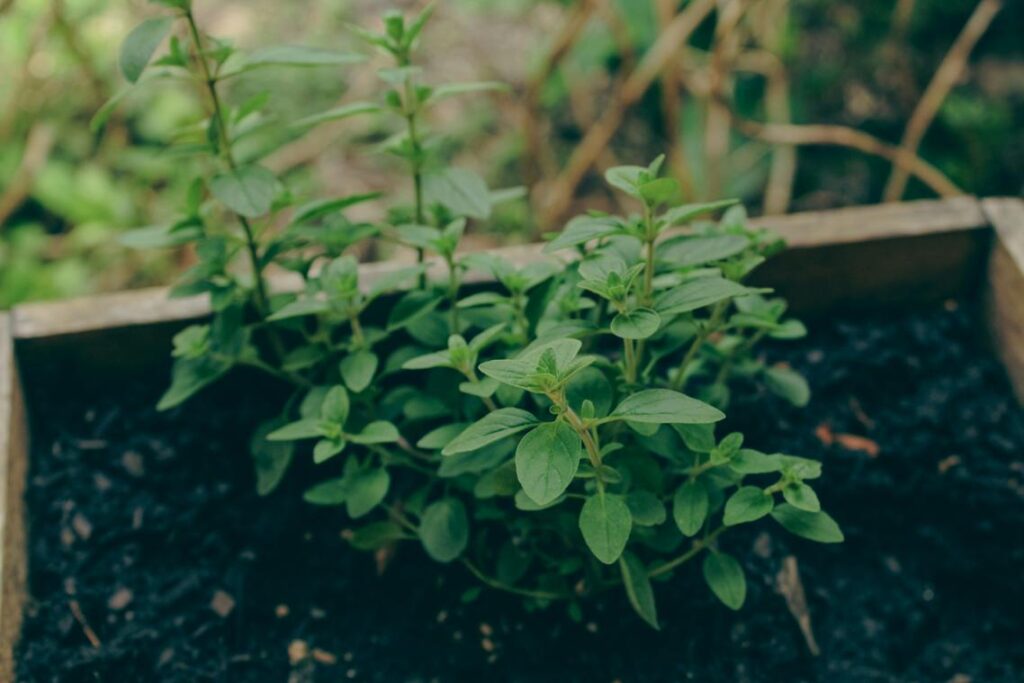
If you’ve been searching for a simple way to bring fresher flavors into your kitchen, learning home herb garden basics is the perfect place to start. Whether you’re working with a spacious backyard or a small apartment windowsill, growing your own herbs can elevate everyday meals while saving money and reducing waste.
This guide is designed to walk you through exactly what you need to know—from choosing the right herbs for your climate to understanding soil, sunlight, watering routines, and harvesting techniques. Instead of overwhelming you with complicated gardening theory, we focus on practical, step-by-step advice that helps you see results quickly.
Our culinary and gardening insights draw from hands-on experience with global cooking traditions and ingredient sourcing, ensuring that the tips you’ll find here are both reliable and rooted in real kitchen application. By the end of this article, you’ll feel confident starting and maintaining an herb garden that consistently delivers fresh, vibrant flavor to your table.
Why Your Kitchen Needs Fresh Herbs
Store-bought herbs often wilt before you channel your inner MasterChef. Meanwhile, prices climb and flavor fades. That is where a simple windowsill garden changes everything. With home herb garden basics, you can grow:
- Basil for pasta nights (hello, Ratatouille vibes)
- Mint for tea and summer mocktails
- Rosemary for roasted vegetables and chicken
At first, skeptics say herbs are fussy or time-consuming. Fair point—some varieties can be dramatic. However, most popular culinary herbs thrive with sunlight and light watering. Think of it as the low-maintenance friend in your group chat. Start small and snip often.
I still remember the first time I snipped basil from my windowsill and tossed it straight into pasta sauce. The aroma was INTENSE—nothing like the plastic clamshell version from the store (which always seemed tired by day two). That’s the taste difference: volatile oils—the natural compounds that give herbs their scent and flavor—start fading the moment they’re cut. Freshly harvested herbs simply deliver more punch.
From an economic angle, a $3 seed packet can yield months of harvests, while grocery herbs run $2–$4 per bundle each week. Over a season, that adds up. And with home herb garden basics, you snip only what you need. No more slimy cilantro haunting the crisper drawer.
I’ve found this “living pantry” sparks creativity. A sprig of thyme in roasted potatoes. Mint in lemonade. Why not?
- Snip to order, reduce waste.
- Experiment freely, no guilt if it flops (we’ve all had kitchen fails).
The Culinary All-Stars: 5 Fail-Proof Herbs for Beginners
As you cultivate your herb garden, you’ll discover how fresh ingredients can elevate your cooking, making it the perfect complement to the rising trend of incorporating flavorful fermented foods into your meals – for more details, check out our Why Fermented Foods Are Making a Big Comeback.
Starting with herbs can feel suspiciously easy (almost like you’re missing something). But these five truly are beginner-proof—provided you follow a few simple rules.
Basil is the undisputed star of Italian cooking and the soul of pesto. It thrives in full sun with consistent moisture. Pinch off flower buds early—this redirects energy into lush leaves instead of seeds. Some argue basil is “too fussy” for beginners because it wilts dramatically. Fair point. But that drama is helpful; it tells you exactly what it needs.
Mint is the overachiever. Perfect for teas, mojitos, and bright salads, it grows vigorously—sometimes aggressively. Plant it in a separate container or it will overrun your space (mint does not respect boundaries).
Parsley (Flat-Leaf) is the quiet utility player. It enhances sauces, soups, and roasted vegetables. Harvest outer stems first to encourage fresh center growth. Think of it as the herb equivalent of a reliable supporting actor.
Chives bring a gentle onion flavor to eggs and potatoes. They’re cold-hardy and return yearly. Cut at the base when harvesting for continuous regrowth.
Rosemary prefers neglect: full sun, dry soil, minimal fuss. Overwatering is the usual mistake. If you’re unsure, wait a day.
What’s next after mastering these? Explore home herb garden basics like soil drainage, container depth, and companion planting. You might also care about ingredient sourcing—see understanding food labels a shoppers guide.
Pro tip: Start with three herbs, not five. Confidence grows faster than seedlings.
Setting Up for Success: The Three Essentials for Your Herb Garden
Great herbs don’t happen by accident. They’re built on three non-negotiables: sunlight, smart containers, and the right soil. Skip one, and you’ll be troubleshooting wilted basil faster than you can say pesto night.
1. Sunlight: 6+ Hours, No Exceptions
Herbs need at least six hours of direct sun daily. A south-facing windowsill beats a dim kitchen counter. A sunny balcony wins over a shaded porch. Think of it as A vs B: bright and bushy growth versus leggy, flavorless stems.
| Location | Result |
|---|---|
| South-facing window | Strong, compact growth |
| Shaded interior spot | Weak, stretched stems |
2. Containers: Drainage Over Design
Pretty pot without holes? Hard pass. Drainage holes prevent root rot (when roots sit in water and decay). Terracotta vs plastic: terracotta breathes and suits herbs like rosemary that prefer drier soil; plastic holds moisture longer.
Pro tip: When in doubt, choose a slightly larger pot—cramped roots stunt growth.
3. Soil: Garden Soil vs Potting Mix
Garden soil compacts in containers, blocking airflow. A quality, well-draining potting mix stays loose, supporting healthy roots.
Master these home herb garden basics, and you’ll set the stage for thriving, flavorful harvests (yes, even that dramatic cilantro).
Starting a garden can feel intimidating, but it doesn’t have to be. Have you ever wondered whether to plant seeds or buy starter plants? Seeds are budget-friendly and satisfying—you watch the entire life cycle unfold. However, they demand patience and steady light. Starters, on the other hand, are young plants already established, giving beginners a head start (think of them as the shortcut level in a video game).
Planting with Confidence
If you’re focusing on home herb garden basics, start by loosening well-draining soil and planting at the depth listed on the packet or pot. Then, turn to watering. Instead of guessing, try the finger test: press your finger an inch into the soil. Is it dry? Water lightly. Still moist? Wait. Overwatering suffocates roots by limiting oxygen (yes, plants need to breathe too). Generally, it’s better to underwater slightly than to drown them.
Finally, harvest with intention. Do you snip randomly, or just above a set of leaves? Cutting just above that node encourages bushier, stronger growth. In other words, trimming isn’t just for dinner—it shapes the plant’s future. Pro tip: harvest often to keep herbs productive. Sound simple? It is—once you begin. Why not start today now.
Your Culinary Journey Begins Now
You now have a complete, straightforward plan to fill your home with fresh, aromatic herbs. In my opinion, nothing transforms everyday cooking faster than snipping basil from the windowsill (it feels like a victory every time).
This guide proves you can bypass the cost and waste of store-bought herbs for a more flavorful, rewarding alternative.
The solution is simple:
- The right plant
- The right light
- The right pot
Master these home herb garden basics and you’ll succeed. Start small, start today. Choose one herb, claim a sunny spot, and taste the difference.
Bring Fresh Flavor Into Your Kitchen Today
You set out to understand home herb garden basics so you could grow fresh, flavorful ingredients right at home—and now you have the clarity to get started with confidence. From choosing the right herbs to mastering sunlight, soil, and watering techniques, you’re equipped to turn even a small space into a thriving, aromatic garden.
If you’ve been frustrated by wilted store-bought herbs, bland meals, or the cost of constantly restocking fresh ingredients, this is your solution. Growing your own herbs puts flavor, control, and creativity back into your hands.
Now it’s time to take action. Start with three easy herbs this week, set up a simple container system, and apply the techniques you’ve just learned. For more trusted kitchen and garden guidance, explore our expert-backed resources and step-by-step meal inspiration designed to help home cooks succeed. Join thousands of readers who rely on us for practical, flavorful advice—start growing today and taste the difference in every dish.