

Ever tried making authentic Thai curry at home and found it lacking? I get it. The balance of flavors in Thai curry is an art, not just a recipe.
You can’t just toss in any curry paste and expect magic.
I’ve been there, staring at a pot of bland soup that was meant to be a lively curry. It’s frustrating. You start wondering if it’s even possible without a plane ticket to Bangkok.
But there is hope. Trust me, I’ve done the legwork (and the taste tests).
Here’s the deal: understanding the real ingredients makes all the difference. You need the right balance of sweet, sour, salty, and spicy. It’s not just about what’s in the jar; it’s about knowing the secrets behind the labels.
In this article, you’ll get the lowdown on crafting a curry that sings with authenticity. You’ll learn insider tips to transform your kitchen into a Thai street market (minus the airfare).
It All Starts with the Paste: The Heartbeat of Your Curry
When we’re talking about authentic Thai curry, it’s all about the curry paste. This is the core. Get it right, and you’re golden.
Mess it up, and you’re eating a sad imitation of what could have been magic. The difference is night and day.
First up, let’s talk about galangal. It’s not ginger, folks. Galangal has this peppery, piney thing going on (ginger’s more sweet and spicy).
If you’re serious about your curry, this is a must. Then there’s lemongrass. You can’t just throw the whole stalk in there.
Kaffir lime is the next big player. Use both the zest and the leaves. It’s bright, intense, and absolutely non-negotiable.
Strip the outer layers and smash it a bit to release those amazing citrus notes.
And let’s not forget cilantro roots. Yes, roots. They bring an earthy depth that’s important.
Now, to the ‘umami and funk’ department. Shrimp paste (gapi) and fish sauce are what make Thai curries stand out. They aren’t optional.
If you’re vegan, fermented soybean paste is a substitute, but it changes the whole flavor.
Chiles. Fresh green chiles for brightness, dried red for deeper, earthy flavors. Use both for layers.
And here’s a pro tip: make a big batch of paste, freeze it in ice cube trays. It’s the best shortcut that doesn’t sacrifice flavor.
By the way, while you’re on this culinary adventure, you might find it interesting to explore Discovering Mexican Street Food. It’s a wild ride of flavors that’ll knock your socks off just like a great Thai curry.
Liquid Choices: Coconut Milk, Stock, and Seasonings
Let’s get something straight: using the wrong type of coconut milk can ruin your authentic Thai curry. I’m serious. Coconut milk isn’t a one-size-fits-all deal.
There’s coconut cream and coconut milk, and they’re not interchangeable. Coconut cream is rich, thick, and important for “cracking.” You know, frying the cream until the oil separates. This step isn’t optional since it blooms your spices, creating a glorious base.
Don’t even think about reaching for “light” coconut milk. The fat in full-fat coconut milk is necessary. It carries flavor and gives your curry that luscious texture you crave.
Low-fat alternatives? They just don’t cut it here.
Now, what about seasonings? Beyond the paste, you need fish sauce for salty umami, palm sugar for a deep, caramel-like sweetness, and fresh lime juice for acidity. These aren’t just extras.
They’re the backbone of flavor.
Still unsure? Sometimes I am too. But trust me, these components are non-negotiable for that rich taste.
If you’re curious about the full process, check out this authentic Thai curry recipe. It connects all these dots in a way that’s both delicious and enlightening.
The Art of the Simmer: Mastering Flavor Layers
Cooking authentic Thai curry is more of an art than a science. First step? Fry the paste.
It sounds simple, but there’s an art to it. You need to fry it in separated coconut oil until the aroma takes over your kitchen. If it doesn’t, you probably missed something.
The fragrance is your cue. Trust your nose.
Next, build your broth. Add the rest of the coconut milk slowly. Don’t rush it.
You want a gentle simmer, not a boiling mess. It’s about patience here. Incorporate any stock you’re using in the same way.
Slow and steady wins this race. You’ll want to read more about technique too. Take a look at this guide.
Now for the proteins and vegetables. Timing is key. Start with the tougher veggies.
Think carrots or potatoes. They need more time to soften. Add proteins after those.
Chicken or tofu (your call), and finally toss in quick-cooking veggies like peppers or baby corn. No one likes mushy vegetables, right?
Finally, the last touches. In the final 30 seconds, add elements like Thai basil leaves. Now’s the time for a taste test.
Adjust the seasoning. Is it salty enough? Sweet enough?
Sour enough? Use fish sauce, palm sugar, or lime juice as needed. This makes all the difference.
Curry Colors: A Quick Guide to Thai Flavors
Ever stared at a Thai menu, lost in a curry conundrum? Let me break it down for you. Green Curry (Gaeng Kiew Wan) is the fiery one, made with fresh green chiles. It’s like your bold friend who’s always up for adventure.
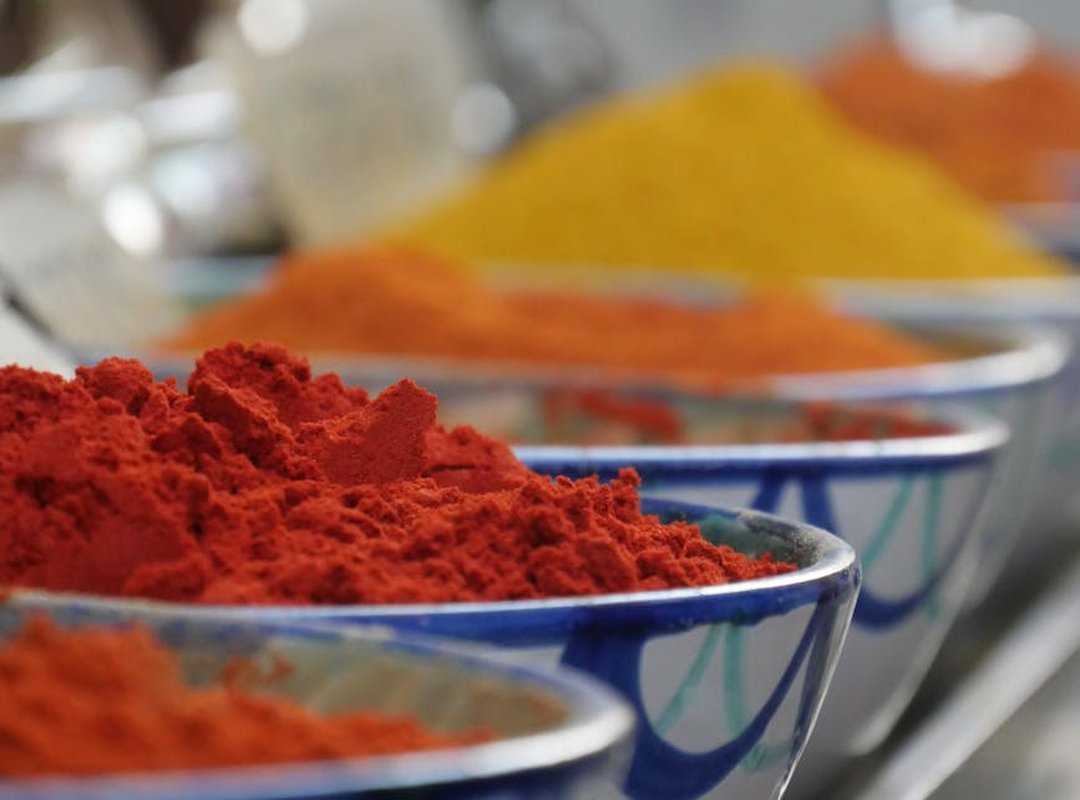
Sweet and spicy in a way that hits all the right notes, especially with chicken or Thai eggplant.
Then there’s Red Curry (Gaeng Phet), crafted from dried red chiles. Earthy, strong, and versatile. Imagine it as that reliable friend who can fit in anywhere: duck, beef, even pumpkin.
It’s got a depth that’s hard to resist.
Yellow Curry (Gaeng Kari) takes things in a different direction. Turmeric and cumin give it a richer, milder profile. It has hints of Indian influence, perfect for someone who prefers a gentler touch.
Toss in some potatoes and you’ve got comfort in a bowl.
Lastly, Panang Curry. It’s thicker, richer, and sweeter. A bit like a warm hug.
Less liquid, more depth, with a peanutty note that pairs well with beef or chicken. When I think of authentic Thai curry, Panang is my go-to. It’s about finding the curry that speaks to your taste buds.
Curry Catastrophes: Fix Common Mistakes Easily
Ever made a curry that just didn’t hit the spot? You’re not alone. to the four mistakes that could be ruining your authentic Thai curry.
First, watch that coconut milk. A hard boil can make it split, resulting in a mess that’s oily and grainy. Keep it low and let it gently simmer.
You’ll thank me when your curry’s silky, not separated.
Next up, flavor balance. Thai dishes thrive on the harmony of salty, sweet, sour, and spicy. Ever taste your curry and wonder what went wrong?
It’s probably because you skipped a tweak at the end. Don’t be shy. Adjust it.
Then there’s the pot crowding problem. Too many veggies cooling things down leads to steaming, not simmering. And steaming leads to watery textures, which nobody wants in a curry.
So, give each piece its space to simmer nicely.
Finally, don’t skip fresh herbs. A sprinkle of Thai basil or cilantro at the end elevates the dish. Trust me, it adds freshness that canned pastes just can’t.
Pro tip: Keep some extra fresh herbs handy. They can rescue a dish that needs a little lift. Make these changes, and watch your curry game soar.
Spice Up Your Curry Game Tonight
You now know how to escape the bland, disappointing curries. The secret? A quality paste, solid technique, and balancing those final flavors.
Try frying your paste or adjusting flavors this week. Trust me, you’ll taste the difference. For authentic Thai curry, discover more at our site.
Get cooking!