
Cast iron cookware has this irresistible charm, doesn’t it? It’s like a piece of history sizzling right on your modern stove. But here’s the catch: many folks are clueless about how to properly prepare it.
You’ve probably heard that you need to season it, but what does that even mean? I’ve been deep into culinary traditions and let me tell you, getting this right is key for that perfect sear or stew.
Why is everyone so obsessed with cast iron these days? Maybe it’s the durability or the way it evenly cooks your food. Whatever it is, I get it.
The real struggle is figuring out how to cook cast iron like a pro. I’ve spent years mastering this, learning from seasoned chefs and old-school cooks.
This article will break down everything you need to know. Stick with me and you’ll soon be the go-to expert in your kitchen.
Cast Iron Magic: Why It’s the Real Deal
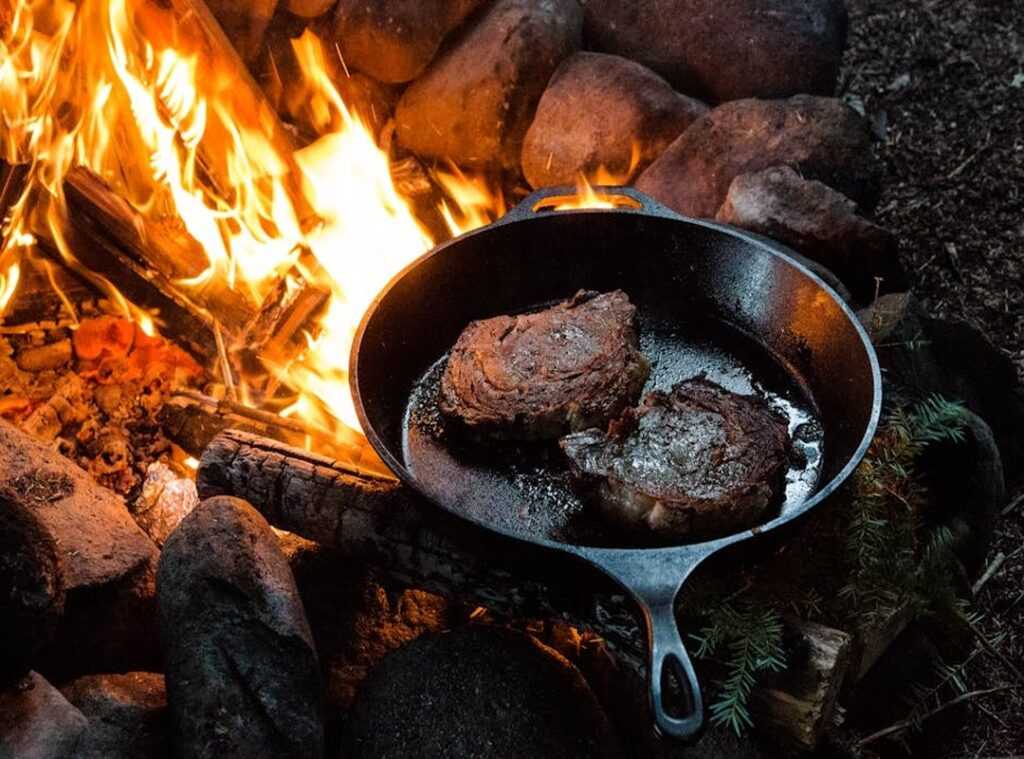
When you cook with cast iron, you’re not just making dinner. You’re creating an experience. The heat retention is unbeatable; imagine a steak seared to perfection, every inch cooked evenly.
That’s the magic of cast iron. It holds onto heat like a secret, whispering it into every corner of your dish.
And let’s talk flavor. Cast iron enhances it, deepening those mouthwatering notes you crave. Ever noticed how grandma’s cornbread tastes different?
It’s not just nostalgia (it’s) the seasoned surface of her pan, adding layers of taste over time.
Longevity? Cast iron has it in spades. Unlike flimsy non-stick pans that wear out, a well-maintained cast iron skillet could outlive you. (How’s that for sustainability?) It’s like having a trusty sidekick in the kitchen, always ready for action.
Cooking with cast iron transforms your culinary adventures. The sizzle, the aroma, the heft of the pan as you flip that perfect pancake. It just feels right.
Want to dive deeper into cooking techniques? Check out this sous vide cooking beginners guide. It’s a game-changer too, but let’s be honest: nothing beats the classic charm of cast iron.
Tools and Ingredients: Cast Iron Cooking Essentials
Let’s talk essentials. You need the right tools to cook cast iron like a pro. Ever tried scrubbing with the wrong brush?
It’s a nightmare. Grab a sturdy scrubber, a brush with bristles that mean business, and a few soft cloths. You’ll thank me later.
Now, onto ingredients. Vegetable oil is your best friend here. It’s not fancy, but it gets the job done.
Kosher salt? Absolutely. It’s perfect for scrubbing off stubborn bits without scratching.
And don’t forget baking soda. It’s magic for dealing with those pesky stains.
Here’s when it gets sensory. Feel the grain of kosher salt under your fingers as it scours the pan. The scent of vegetable oil warming in the pan is comforting, like the start of something delicious.
When you sprinkle baking soda onto a damp surface, watch it fizz lightly (it’s) oddly satisfying.
Preparing your tools and ingredients sets the stage for a hands-on experience. There’s a tactile satisfaction in knowing every scrub and rinse is making that cast iron better. If you’re ready to dive deeper into this world, check out this cook cast iron guide.
Trust me, it’s worth it.
Cast Iron Magic: A Step-by-Step Guide
So, you’ve got a rusty cast iron skillet staring you down. You might be wondering if it’s worth the effort. Spoiler: it is.
First off, you need to tackle that grime. Grab some steel wool and scrub like your meal depends on it (because it does). You’re removing old seasoning and rust.
Feel that gritty surface turning smooth beneath your fingers? That’s what you want.
Next, rinse it with warm water and dry it thoroughly. Water is the enemy here. No moisture should be left to linger.
It’s a bit like dealing with a gremlin (just less cute).
Now, onto the seasoning process. This is where the magic happens. You’ll want to apply a thin layer of oil all over.
I like flaxseed oil, but others swear by vegetable or canola. It’s like choosing your house in Harry Potter. Personal preference, but the results matter.
Make sure you rub it in well, covering every inch. Too much oil leaves you with a sticky mess. Who needs that?
Put the skillet upside down in the oven, set the temperature to around 375°F, and let it bake for an hour. Your kitchen will fill with a warm, comforting aroma. It’s like hugging your grandmother after too long.
That’s how you know it’s working. Let it cool in the oven afterward. The cooling process is just as important as the heating.
If you’ve done it right, that skillet should now have a rich, dark sheen. It’s gleaming with potential. But what if the seasoning’s uneven?
Just repeat the oil-and-bake dance a couple more times.
Now, common issues. Uneven seasoning? It happens.
Just start over. Scrub, oil, bake, repeat. Sticky surface?
Too much oil. Your new mantra? Less is more.
Cooking with cast iron is an art form. It’s not just about the cooking; it’s about the care, the ritual. Once seasoned, these pans are perfect for searing, frying, and more.
They even hold up against the heat when working grilling techniques juicy meats.
Pro tip: after every use, wipe with a bit of oil. This upkeep keeps your skillet non-stick and ready. Remember, the more you use it, the better it cooks.
Just like magic.
Cast Iron Care: Keep It Sizzling
When you cook cast iron, you’re not just making food; you’re building a legacy. Cleaning it after use isn’t tricky, but you can’t be lazy. First, ditch the soap.
Yeah, I said it. Soap strips seasoning like a bad haircut ruins your day. Instead, use hot water and a stiff brush.
Stuck bits? A sprinkle of salt works wonders.
Now, about maintenance. Keep that patina gleaming by rubbing a thin layer of oil after cleaning. I like using flaxseed oil because it polymerizes well, but any cooking oil will do.
Just heat it on low afterward to seal the deal. Don’t skip this step unless you enjoy rust surprises.
Storage matters too. Moisture is your enemy here. Store your cast iron in a dry place.
If you’re worried about rust, slip a paper towel between pans to absorb any sneaky moisture. And for heaven’s sake, don’t stack them without protection.
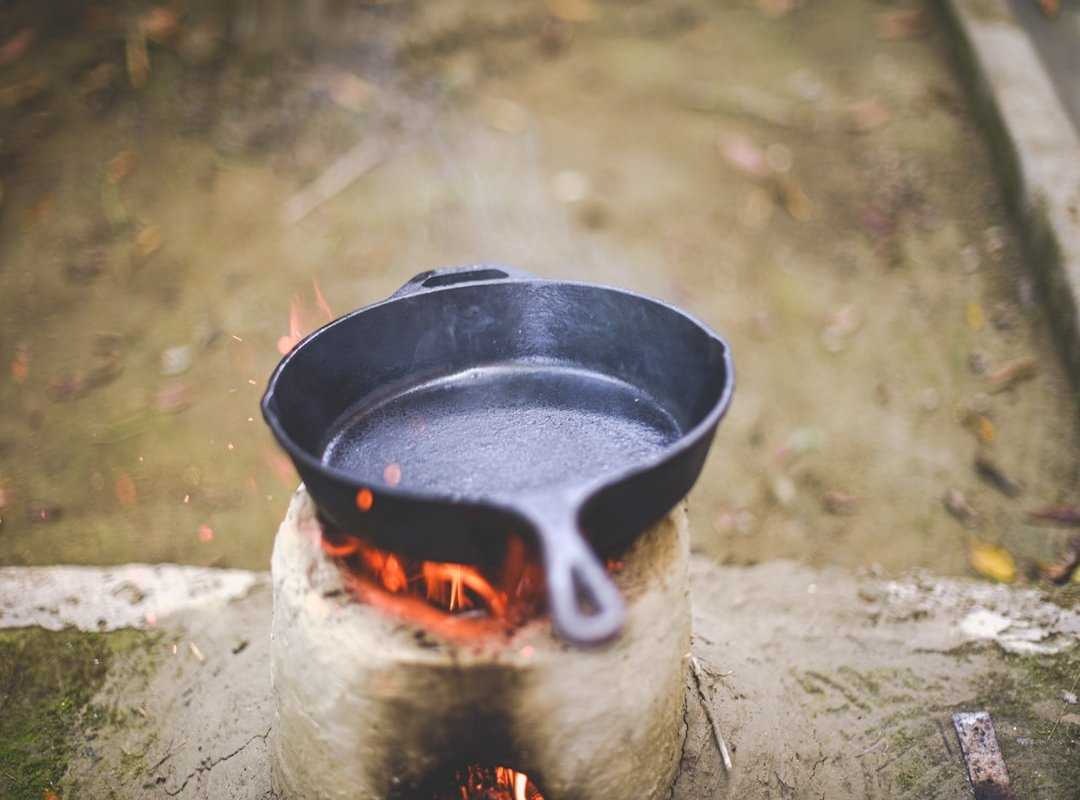
Ever tried using cast iron over an open flame? The flavor it adds is unmatched. It’s like cooking with ancient magic.
Bottom line, treat your cookware right and it’ll reward you with meals both mouthwatering and memorable. Your future self (and taste buds) will thank you.
Cooking Sensations: Cast Iron Magic
Ever wondered why your grandma’s cornbread tasted like a hug? It’s the magic of cast iron. When you cook cast iron, you’re not just preparing a meal; you’re crafting an experience.
The skillet’s ability to evenly distribute heat turns a simple steak into a sizzling masterpiece. And let’s not even start on fried chicken (crispy skin, juicy meat).
Now, let’s travel. Picture sautéing Spanish shrimp with garlic, paprika, and a splash of sherry. The flavors meld together like a flamenco dance.
Cast iron thrives with global flavors.
Got a taste for adventure? Try Korean bibimbap, where the skillet crisps rice to golden perfection. Pro tip: Experiment with regional recipes.
Each culture’s ingredients transform under cast iron’s embrace.
Cooking’s not just about eating; it’s about feeling. Smell those spices. Hear that sizzle.
And taste the world, all from one bold skillet.
The Ultimate Cast Iron Experience
Mastering the art of cook cast iron is like unlocking a treasure chest of flavors. Every meal sizzles with satisfaction. Have you felt that thrill yet?
Getting your cast iron just right solves the problem of uneven cooking and sticky messes. No more frustration. Now, you have the expertise to maintain it, ensuring every dish is a culinary masterpiece.
So, what’s stopping you? Dive into the world of cast iron cooking. Visit glisusomena.com and discover more.
You deserve the best kitchen experience. Ready to transform your meals? Start today and feel the difference.