
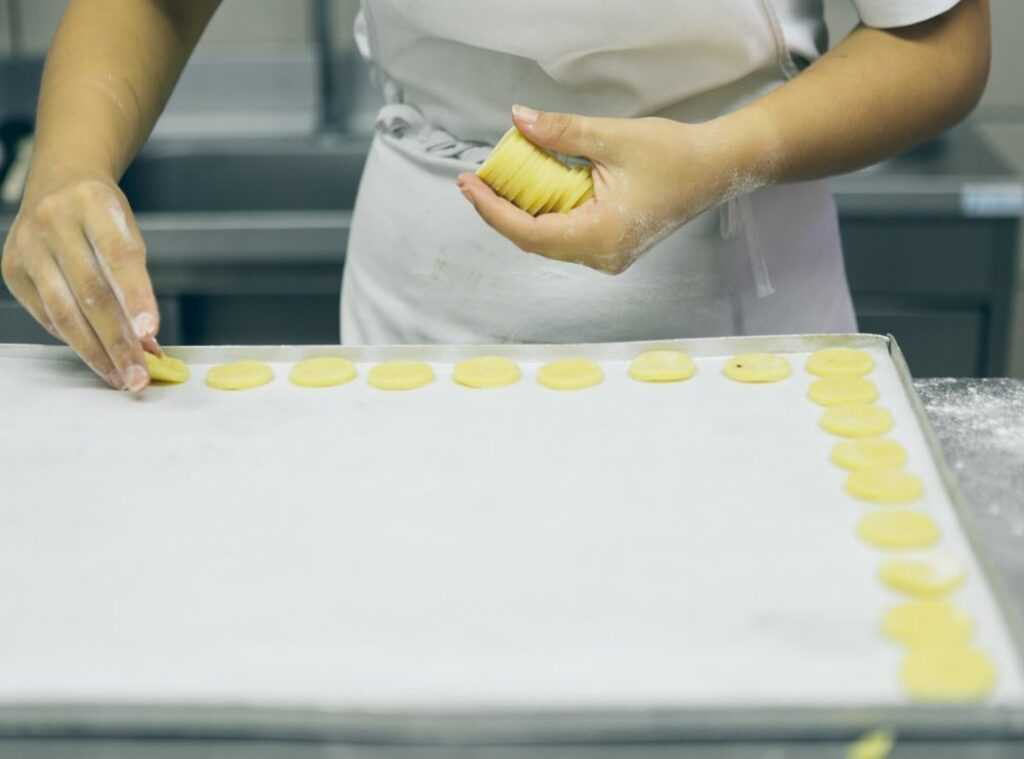
Ever stared at a perfect, flaky croissant and thought, “How do they do that?” You’re not alone. The magic of French baking tempts us all, but replicating it at home feels like a Herculean task. Many of us dive in with the best intentions, only to face inconsistent results.
But here’s the secret: it’s all about mastering French pastry techniques. This isn’t just about following recipes. It’s about understanding the ‘why’ behind each step.
I’ve got you covered. Generations of French master pâtissiers have honed these methods, and I’m here to demystify them for you. Expect a clear, straightforward guide to transform your home baking from a game of chance into a craft.
By the end, you’ll have the confidence to create pastries that rival those of Parisian cafés.
The Foundational Method: Precision and ‘Mise en Place’
When it comes to French pastry techniques, it all boils down to a simple philosophy: precision. We’re not just talking about fancy whisking or delicate folding. It’s the whole mindset.
You ever wonder why chefs obsess over “mise en place”? It means “everything in its place,” and it’s non-negotiable. Seriously, try making a complex pastry without it.
Spoiler alert: chaos ensues.
Let’s get something straight. A kitchen scale is your best friend. Measuring in grams beats using cups every time.
Why? Because volume measurements for ingredients like flour and sugar can be wildly inconsistent. One person’s cup of flour might be another’s mountain.
And you can’t build a delicate pastry Eiffel Tower on a shaky foundation.
Temperature control is another key aspect. Cold butter, cold water, chilling the dough; these aren’t just quirky French quirks. They’re important for controlling gluten development and creating those flaky textures we all drool over.
Ever notice how much better pastries taste when they’re perfectly flaky? Yeah, that’s the magic of chilling.
Pro tip: Always read the recipe fully before starting. Measure everything before you mix anything. And when in doubt, chill it out.
Speaking of flavors, if you’re curious about how precision translates to other cuisines, you should check out cajun flavors southern spice. It’s a fascinating blend of spice and technique.
Lamination: The Art of Layers and Air
Lamination (or ‘laminage’ if we’re getting fancy) is all about folding. We’re talking butter and dough, creating hundreds of ultra-thin layers. You know those flaky croissants you can’t resist?
That’s the magic of lamination. Here’s how it works: you fold butter into dough and roll it out, over and over. Sounds repetitive, but trust me, it’s worth it.
When you bake these layers, the water in the butter turns to steam. What does steam do? It pushes the dough layers apart, giving you that airy, flaky texture.
The key players here are the dough block (détrempe) and the butter block (beurrage). They need to be at the same cool consistency. If not, they merge and ruin everything.
That’s a rookie mistake you don’t want to make.
Now, let’s talk about ‘turns’ or ‘tours.’ A simple turn (tour simple) is just folding the dough in thirds like a letter. A book turn (tour double) doubles the layers. These turns multiply your layers exponentially.
It’s like magic but with dough. And these techniques? They’re important for iconic pastries like croissants, pain au chocolat, kouign-amann, and puff pastry (pâte feuilletée).
Here’s a pro tip: keep everything cold. That’s the secret to successful lamination. If the butter melts, your layers will vanish, and so will your dreams of perfect pastries.
Keep your dough and butter chilled. It’s non-negotiable.
Why does this matter? French pastry techniques define the difference between homemade and bakery-perfect. You want your pastries to rise, not flop.
So, next time you’re baking, remember: it’s all about layers. Layers of flakiness and air.
The Magic of Choux: Creating Emulsions in Pastry
to the world of emulsions in baking. Why should you care? Because mastering them can transform your kitchen game.
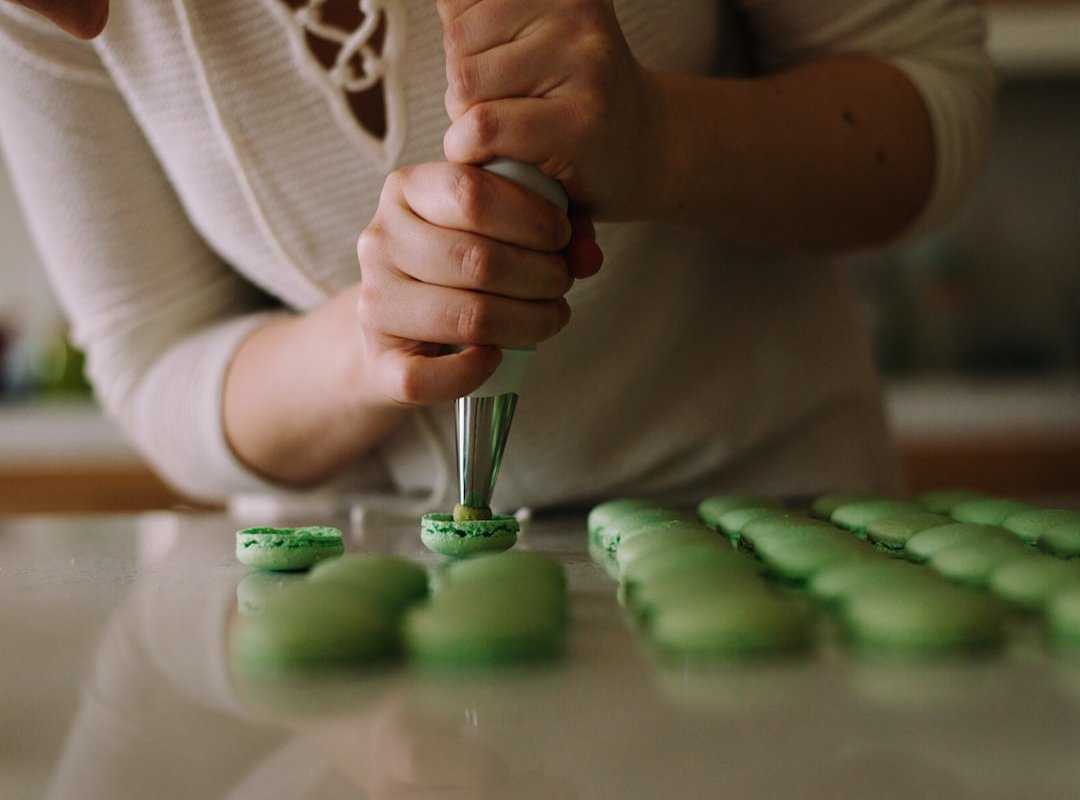
An emulsion in baking is when fat and water mix smoothly, even though they naturally repel each other. It’s like trying to get oil and vinegar to hang out at the same party without fighting (it’s doable with the right technique).
Now, choux pastry. Ever heard of it? It’s the backbone of many beloved pastries.
The result? A deliciously crisp, hollow shell.
The magic starts with a unique double-cooking method. First, you cook a paste on the stove, then bake it in the oven. This technique gelatinizes the starches, creating a strong structure that puffs up with steam.
What can you make with this? Éclairs, profiteroles, cream puffs, gougères (for when you’re feeling savory), and even a dramatic croquembouche. These are all built on the same choux foundation. It’s like the secret weapon in French pastry techniques.
But wait, there’s more. Another key player in this emulsion game is crème pâtissière, or pastry cream. Making this requires a skill called tempering.
You slowly add hot liquid to eggs to avoid scrambling them. It sounds tricky, but it’s key for creating smooth, rich fillings. Trust me, once you get it down, you’ll wonder how you ever lived without it.
Craving a different culinary adventure? Check out this authentic thai curry guide for a taste of something lively and spicy. The world of flavors is vast, and mastering the art of emulsions opens up countless possibilities.
So, are you ready to roll up your sleeves and start experimenting?
Sugar and Air: Cracking the Meringue Code
Working with egg whites and sugar is no cakewalk. Does perfect meringue haunt your baking dreams too? Let’s crack it.
There are three types of meringue you need to know. First, the French meringue: it’s raw, simple, best for airy toppings. Then comes Swiss meringue.
You cook it gently over a water bath. It’s stable, making it great for buttercream. Lastly, Italian meringue is cooked with hot sugar syrup, the most stable of the bunch.
Ideal for macarons and frosting. Tempted already?
Now, let’s talk French pastry techniques. Ever heard of macaronage? It’s the art (and pain) of folding dry ingredients like almond flour and powdered sugar into your meringue.
Carefully. You aim for a batter with a ‘lava-like’ consistency. Getting it wrong means disaster.
Seriously. Those macarons won’t develop their signature ‘feet’ without it. Picture this: ribbons of batter falling from your spatula, slowly melting back into itself.
Beautiful, right? But it takes practice.
The key is deflating the meringue just enough. Not too much, not too little. A delicate balance.
And it’s not fun.
You want it to flow, like lava, but not be runny. Too thick and you’re eating macarons that look like tiny hills. Trust me, I’ve been there.
Meringue mastery isn’t magic. It’s science (with a pinch of obsession). Get these techniques down, and those stunning macarons and flawless frosting are within reach.
So, are you ready to tackle sugar and air? Your baking will thank you.
Mastering the Art of French Baking
Here’s the secret: baking isn’t magic. It’s about mastering a few French pastry techniques. You don’t need to guess anymore.
Understand why your recipe failed? You do now. Precision, lamination, emulsions, meringue.
These are your new best friends. Nail these techniques, and you can tackle any recipe with ease. Feel stuck?
Try the ‘mise en place’ or a simple Pâte à Choux. This weekend, make it your mission. Your path to becoming a better baker starts now.
Want consistent, delicious results? We’re the #1 rated resource. Visit glisusomena.com.
Dive in, and start baking like you mean it.