
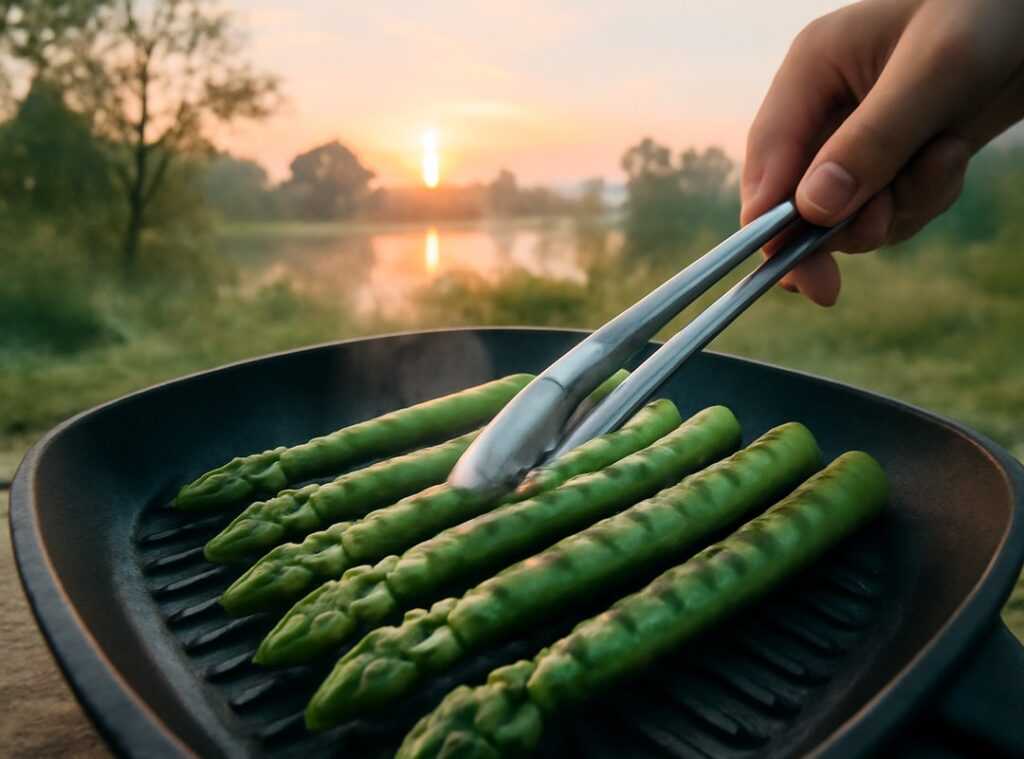
We’ve all been there, staring at a pan of sad, soggy vegetables instead of the golden, crispy perfection we imagined. Frustrating, right? I get it.
But here’s the promise: this isn’t just another recipe. We’re diving into perfect sautéing techniques that turn every sauté into a masterpiece.
Years of passion and practice have sharpened my culinary skills, and I’m here to share the secrets. Imagine the sizzle in the pan, the aroma wafting through your kitchen, the lively colors of perfectly cooked veggies. It’s not magic.
It’s technique.
This guide is your ticket to a sensory journey through the art of sautéing. You’ll gain confidence and skill that transforms how you cook. Ready to ditch limp and embrace luscious?
Keep reading, and you’ll never sauté the same way again.
The Soul of the Sauté: Understanding the Sizzle
Sautéing isn’t just a cooking method; it’s a dance. The word comes from the French “sauter,” meaning “to jump,” which perfectly captures the lively essence of this technique. You toss your ingredients in a hot pan with minimal fat, letting them leap and sizzle.
It’s all about that perfect sautéing technique where the Maillard reaction works its magic.
Ever noticed how sautéed onions turn that rich, nutty brown? That’s the Maillard reaction in action. It creates hundreds of new flavors and aromas, making your dish irresistibly savory and deeply browned.
It’s not just about heat; it’s about transforming simple ingredients into something extraordinary.
But don’t confuse sautéing with pan-frying or stir-frying. With sautéing, you use less oil and keep the ingredients moving. Pan-frying sits heavier, while stir-frying uses a different motion and pan shape.
And sweating? That’s a whole other game. Gentler heat, no browning.
The aim? Achieve a caramelized exterior with a tender-crisp interior. A great sauté demands precision, just like when you cook with cast iron like pro.
A well-seasoned cast iron skillet can raise your sauté, giving those veggies or meats the perfect sear. Time to let your pan do the talking.
Your Sautéing Toolkit: Important Trio to Master the Pan
The perfect sautéing techniques are easier when you’ve got the right tools. Let’s start with the pan. Honestly, stainless steel or carbon steel pans are your best friends.
They conduct heat like a dream and help build a ‘fond’ (those tasty browned bits). Non-stick pans? Forget about them for a hard sear.
They’re great for delicate stuff like fish, but they lack that satisfying sizzle.
Now, let’s talk about fat. It’s not just about adding flavor (it’s) your heat conductor. Each fat has its moment.
Extra virgin olive oil? Ideal for flavor-packed, lower-heat sautés. But when you’re cranking up the heat (and you should), reach for high-smoke-point oils like avocado or grapeseed oil, even clarified butter works wonders.
Does it stink up your kitchen with smoke? Switch to a higher smoke point oil.
And then there’s the matter of heat. This part is pure magic. You’re looking for the shimmer test.
When you see the oil rippling? You’re there. The water drop test is another pro move: if a drop skitters across the pan, you know it’s ready.
Trust me (this) is key. If you start with a cold pan, you’re in for a world of sticking and steaming.
Want to dive deeper? Check out this guide on sautéing techniques for beginners. It’s all about feeling the pan, the fat, and the heat.
Once you get these down, you’re unstoppable.
The Method in Action: Tailoring Your Technique to the Ingredient
When it comes to perfect sautéing techniques, knowing how to handle each ingredient is key. For Delicate Vegetables (like spinach or zucchini): You need speed and high heat. Picture this: a sharp sizzle as the veggies hit the pan. That’s what you want.
Just long enough to see them turn lively and tender-crisp. The trick is not to overdo it. You’re preserving that fresh texture.
Ever noticed how overcooked spinach is just sad? Let’s avoid that.
For Hearty Vegetables (think broccoli and Brussels sprouts): It’s all about the two-stage approach. I get a hard sear first. Why? Flavor, my friend. Then, a splash of liquid (water or broth works), cover it up, and let it steam briefly. This method ensures you get both browning and tenderness. No one wants a mushy carrot. You know that feeling when you bite into a perfectly cooked sprout? That’s the goal here.
For Aromatics (garlic, onions, ginger): Medium heat is your best friend. You’re releasing those incredible oils. The kitchen fills with an aroma that signals you’re on the right track. But be careful. Burnt garlic? It’s bitter and ruins everything. So, watch it closely. Once you smell it, you know you’re doing it right.
For Tender Proteins (like shrimp or scallops): Three rules. Pat them dry. Use high heat. Don’t move them until they naturally release. That golden-brown crust is non-negotiable. Ever tried flipping too soon? The protein sticks, and you lose that beautiful crust. Patience is key here. Trust me, the payoff is worth it.
And if you’re itching for more kitchen mastery, take a peek at Grilling Techniques Juicy Meats. It’s a whole different ball game but just as satisfying.
In the end, sautéing is about adjusting your technique to suit the ingredient. That’s the real secret. And once you get it, you’ll wonder how you ever cooked any other way.
So, grab your pan and let’s get started. The kitchen awaits.
Sautéing SOS: Fixing the Most Common Kitchen Catastrophes
We’ve all been there. Picture this: you’re excited to whip up something delicious and then (disaster.) Your sautéing dreams go up in smoke. Literally.
Problem 1: Crowding the Pan. You know when you throw a party in a closet? It’s cramped, right? That’s what happens when you crowd a pan. The temperature drops, and your food just steams instead of browning. Not ideal. The fix is simple: cook in batches. Let each piece have room to breathe and brown. Space is your friend.
Problem 3: Uneven Cooking. If you’re slicing your veggies like a wild artist, you’re doomed. Uneven pieces mean uneven cooking. Embrace the art of “mise en place.” It’s about uniformity. Cut everything to the same size so they cook at the same rate. Easy peasy, right?
Problem 2: The Food is Sticking. This one’s a classic. The culprit? Either your pan’s not hot enough or you’re just being too impatient. Heat that pan until it’s perfect (give) it a chance to shine. A well-heated pan forms a Maillard crust that does wonders. It’s like nature’s non-stick layer.
Problem 4: The Fat is Smoking and Burning. You’ve hit the smoke point. Not good. Choose your fat wisely and keep that heat in check. After that initial sear, dial it down a notch. In the end, these perfect sautéing techniques will save your dish. Even Gordon Ramsay would approve.
Your Sizzle Awaits
You’ve got the tools now. Leave soggy, steamed food behind and nail that restaurant-quality sear. It’s not about magic recipes; it’s about knowing your pan, fat, and heat.
Feel that frustration slip away as you master these perfect sautéing techniques.
This week, pick a veggie that’s been your nemesis. Apply what you’ve learned and listen for that perfect sizzle. That’s your cooking, transformed.
Your kitchen is your playground, not a battleground. Dive in, experiment, and make it yours. Ready to make that transformation?
Start sizzling now. Go forth and conquer. Call it your culinary revolution.