
If you’re searching for a deeper understanding of indian regional curries, you’re likely looking beyond the standard butter chicken and tikka masala. India’s curry landscape is vast, shaped by geography, climate, local produce, and centuries of cultural exchange. From the coconut-rich gravies of the South to the mustard-infused sauces of the East and the slow-simmered meat curries of the North, every region tells its own story through spices and technique.
This article explores the diversity, key ingredients, and cooking methods that define regional curry traditions, helping you appreciate not just how they taste—but why they taste that way. We’ve drawn on culinary research, traditional preparation methods, and regional food practices to ensure the information is accurate and practical for home cooks. Whether you’re planning meals or expanding your flavor knowledge, you’ll gain clear, trustworthy insights into India’s remarkable curry heritage.
The Culinary Map of India: Why Your Location Defines Your Dish
India doesn’t just cook by recipe; it cooks by geography. In the North, wheat rules the table—think rotis and naan—paired with dairy-rich ingredients like paneer and ghee. Warming spices blended into garam masala create depth (the culinary equivalent of a thick winter coat). Down South, rice replaces wheat, and coconut, tamarind, and lentils dominate everyday meals. I’ve always felt this divide isn’t just culinary—it’s climatic common sense.
History deepens the contrast. Mughal influence layered the North with creamy gravies and slow-cooked meats, while coastal trade routes carried chilies and techniques into Kerala and Tamil kitchens. The result?
- Smoky, robust Punjabi flavors
- Tangy, spicy, coconut-laced Kerala dishes
Some argue globalization has blurred these lines. Maybe. But taste a butter-laden North Indian curry beside a sharp, tamarind-forward southern sambar and you’ll see why indian regional curries still reflect place first, preference second. And honestly, that’s what makes them unforgettable.
From the North: Punjabi Butter Chicken (Murgh Makhani)
Butter Chicken, or Murgh Makhani, was born in Delhi almost by accident. In the mid-20th century, cooks at Moti Mahal restaurant needed a way to use leftover tandoori chicken—chicken roasted in a clay oven called a tandoor. Instead of wasting it, they simmered it in a buttery tomato gravy enriched with cream. The result? A dish so luxurious it quickly became a celebratory staple across North India (and eventually, the world).
At its core, Butter Chicken stands apart from many indian regional curries because of its layered preparation. First comes a two-part marinade: ginger-garlic paste for sharp, savory depth, and yogurt to tenderize the meat. Yogurt contains natural acids that gently break down protein fibers—think of it as a spa treatment for chicken. Then there’s kasoori methi, or dried fenugreek leaves, which add a subtle bitterness that balances the sweetness of tomatoes.
Now, let’s clarify the heart of the dish: the “makhani” gravy. Makhani literally means “buttery.” To achieve that velvety texture, blend soaked cashews into a smooth paste before adding them to slowly simmered tomatoes. Don’t rush this stage. Tomatoes need time to lose their raw acidity and develop natural sweetness (low and slow wins the race here). Finally, stir in cream and butter for silkiness worthy of a Bollywood finale.
Serve it with naan or fragrant basmati rice. After all, you’ll want something sturdy enough to scoop up every last drop of that rich, Northern-born sauce.
From the South: Kerala Fish Curry (Meen Molee)
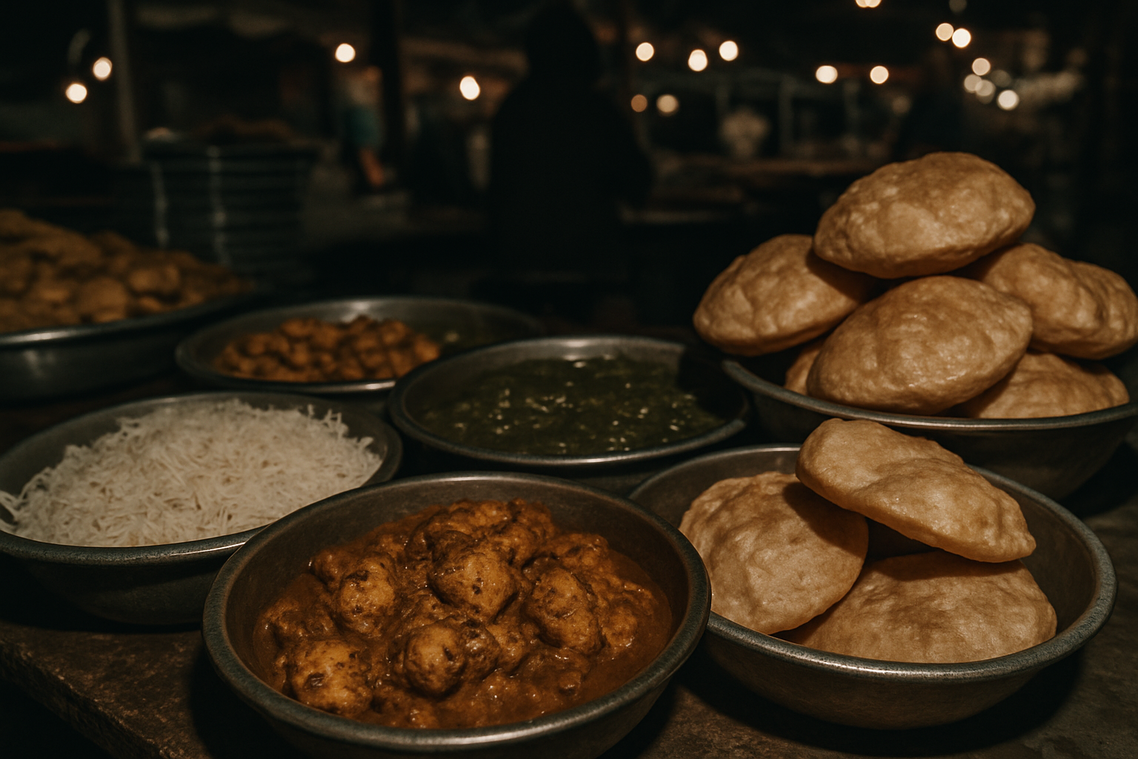
Kerala, often called the “Land of Spices,” stretches along India’s southwestern Malabar Coast, where coconut palms lean toward the Arabian Sea and fishing boats return at dawn with the day’s catch. Unsurprisingly, seafood is central to daily meals here. In fact, Kerala’s per capita fish consumption is among the highest in India, estimated at over 30 kg annually according to the Central Marine Fisheries Research Institute. Meen Molee is a delicious result of that coastal abundance.
At its core, this curry reflects the defining traits of indian regional curries from the south: generous use of coconut and precise spice layering. Thin coconut milk forms the cooking base, while thick coconut milk is added at the end for richness (think of it as the silk finish). Fresh curry leaves, mustard seeds, and turmeric build aroma and color. Traditionally, the sour note comes from kudampuli—a dried Garcinia fruit—but tamarind or even lime juice works in a pinch.
The Non-Negotiable Tadka
However, what truly seals the flavor is tadka (tempering). This technique involves blooming mustard seeds, dried red chilies, and curry leaves in hot coconut oil until they crackle and release essential oils. The sizzling mixture is then poured over the finished curry. Food scientists note that fat helps dissolve and disperse flavor compounds in spices, intensifying aroma and taste (Journal of Food Science, 2017). Skip this step, and the dish falls flat.
Serve Meen Molee with steamed rice or soft appam, whose lacy edges soak up the light coconut gravy beautifully. For another deep dive into culinary traditions, explore the history and evolution of italian pasta dishes.
Your Essential Indian Kitchen Toolkit
If you ask me, the real heart of an Indian kitchen isn’t a fancy gadget—it’s the masala dabba (a round spice box that keeps everyday spices within arm’s reach). Stock it with turmeric, chili powder, coriander, cumin, and mustard seeds, and you’re halfway to magic. I’ve found that when these spices are prepped and visible, cooking becomes instinctive rather than intimidating (no frantic cabinet searches mid-temper).
Fresh is best when it comes to ginger-garlic paste. Yes, jars are convenient. But freshly crushed paste delivers sharper aroma and brighter heat—especially noticeable in indian regional curries. Store-bought versions often taste muted due to preservatives (a trade-off I’m rarely willing to make).
And please, use a heavy-bottomed pot or kadai. Thin pans scorch spices before flavors bloom. A sturdy base distributes heat evenly, crucial for slow-simmered depth. Serious Eats agrees that proper browning builds flavor: https://www.seriouseats.com/all-about-browning. Trust me—your curry will thank you.
Bring Authentic Indian Flavors to Your Kitchen
You set out to better understand indian regional curries—their origins, their spice logic, and what makes each region’s flavor profile distinct. Now you have a clearer picture of how geography, culture, and technique shape every simmering pot, from creamy northern gravies to fiery southern blends.
If you’ve ever felt overwhelmed by spice combinations or unsure why your curry didn’t taste quite right, you’re not alone. The real challenge isn’t passion—it’s knowing how to balance flavors with confidence and authenticity.
The good news? With the right guidance, you can recreate these regional classics in your own kitchen without guesswork. Thousands of home cooks rely on our trusted culinary insights to simplify complex techniques and bring global flavors to life.
Ready to master your next curry night? Explore our step-by-step guides, spice breakdowns, and meal plans today—and start cooking Indian dishes that taste as vibrant and layered as they should. Your kitchen deserves nothing less.