If you’re searching for the biggest food trends 2026, you want more than predictions—you want clarity on what’s actually shaping the way we cook, eat, and experience flavor in the year ahead. From global flavor crossovers and regional recipe revivals to smarter meal planning and innovative cooking techniques, this article breaks down the movements that are set to define modern kitchens.
We analyzed emerging culinary data, studied international menu shifts, and reviewed insights from chefs, food researchers, and trend forecasters to separate lasting changes from short-lived hype. The result is a focused, practical look at what’s gaining momentum—and why it matters for home cooks and food enthusiasts alike.
Whether you’re exploring new ingredients, refining your weekly menus, or simply staying ahead of the curve, this guide will help you understand where food culture is heading and how to bring those trends confidently into your own kitchen.
The 2026 Culinary Horizon: What’s Next on Your Plate?
Food moves fast. One week it’s butter boards, the next it’s ube everything. The real challenge isn’t keeping up—it’s knowing what actually lasts.
So how do you separate a viral moment from meaningful change? By looking at global supply chains, consumer behavior, and evolving kitchen techniques—not just TikTok views.
Here’s your practical roadmap to food trends 2026:
- Climate-smart proteins (think legumes, mussels, precision fermentation)
- Hyper-regional spices replacing generic “global” blends
- Functional comfort foods with gut-friendly ingredients
- Zero-waste cooking as standard practice, not niche
(Pro tip: Stock versatile bases—miso, lentils, preserved lemons—to adapt quickly.)
Beyond the Burger: The Evolution of Plant-Based Cuisine
The first wave of plant-based eating was all about imitation. Burgers that “bled,” sausages that sizzled—clever, yes, but often engineered to replicate rather than innovate. Critics argue these early meat analogues were overprocessed and nutritionally murky (and they weren’t entirely wrong). According to a 2022 Harvard T.H. Chan School review, many first-generation products relied heavily on refined oils and sodium. But that phase laid the groundwork for something more ambitious.
Today’s chefs are moving beyond mimicry toward culinary identity. Mycelium—the root structure of fungi—has become a star for its naturally fibrous, meat-like texture. In Copenhagen and Portland test kitchens alike, it’s seared like steak or shaved into shawarma-style ribbons. Specialty grains such as fonio and sorghum, long staples in West African and Southern U.S. cooking, are prized for resilience and flavor depth (fonio’s quick cook time is a weeknight gift). Advanced nut-based cheeses now undergo real aging and cave affinage, developing rinds and funk that rival dairy counterparts.
Traditional techniques are driving complexity. Smoking king oyster mushrooms over applewood creates a convincing “main course.” Fermenting carrots with fennel pollen yields vegetable charcuterie fit for a Brooklyn wine bar. Even curing beets with juniper evokes alpine bresaola.
Some purists insist plants should stand alone, untouched by old-world methods. Yet applying smoking, curing, and fermentation honors tradition while expanding it. That tension defines food trends 2026—less substitution, more sophistication.
Pro tip: Start small at home: salt-roast celeriac, rest it overnight, then slice thin. Texture changes everything.
From Global to Hyper-Local: Discovering Terroir in Every Bite

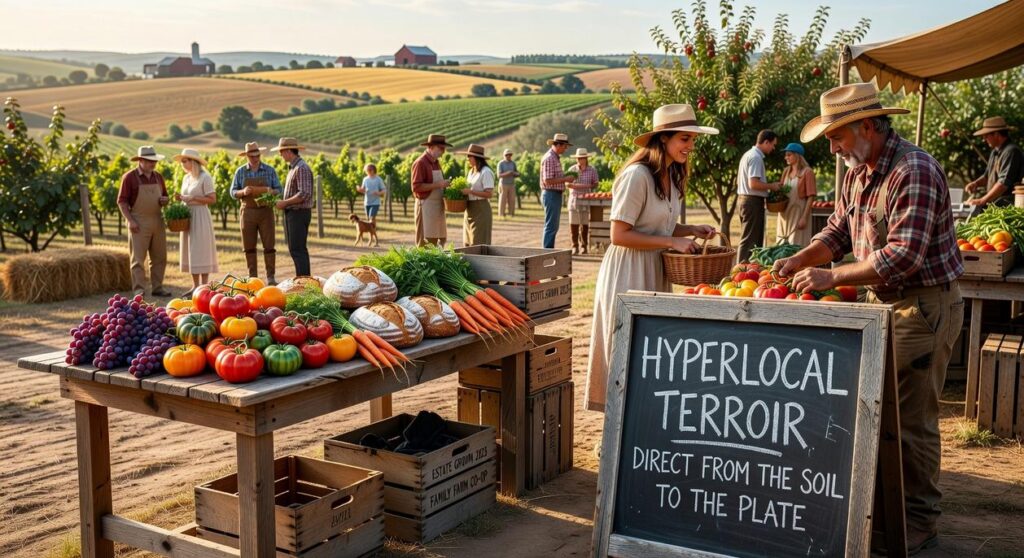
We’ve moved beyond ordering “Italian” or “Mexican” and calling it a day. Today’s diners are chasing hyper-regionality—the idea of zooming past broad national labels and into micro-regions with distinct climates, histories, and ingredients. Think Sicilian coastal seafood bright with citrus versus Piedmont’s butter-rich mountain fare. Same country, wildly different terroir (a French term describing how soil, climate, and tradition shape flavor).
Personally, I think this shift is long overdue. Calling everything “Italian food” is like saying every Marvel movie is the same (it’s not, and we all have opinions). Hyper-regional cooking respects nuance.
Look at the revival of Appalachian cuisine in the U.S., where heirloom beans, foraged ramps, and cast-iron cornbread celebrate resourcefulness and place. In Mexico, Oaxacan mole negro bears little resemblance to Puebla’s mole poblano—different chiles, spices, even chocolate ratios. Japan’s prefectures guard specialties fiercely: Hiroshima’s layered okonomiyaki versus Osaka’s mixed batter version.
Critics argue this is just another spin in food trends 2026, a marketing tactic dressed up as authenticity. I disagree. Supporting hyper-local food systems strengthens regional farmers and reduces food miles (FAO links shorter supply chains to lower emissions). It also aligns with curiosity fueled by how social media is influencing modern cooking habits: https://glisusomena.com/how-social-media-is-influencing-modern-cooking-habits/
For your kitchen, start small. Shop farmers’ markets for heritage produce. Pick one lesser-known region—say, Calabria or Yucatán—and plan a week around it. Pro tip: ask vendors how they cook unfamiliar ingredients (they’ll happily tell you).
The smart kitchen is no longer about flashy gadgets; it is about removing friction from everyday cooking. AI-powered meal planning apps now analyze dietary preferences, allergies, fitness goals, and the ingredients already in your fridge to suggest practical recipes. Personalization here means fewer last-minute grocery runs and far less food waste. Some platforms even sync with wearable health data to adjust calorie targets automatically (yes, your watch can nudge your dinner).
Smart appliances are evolving in equally useful ways. Connected ovens recognize what you are cooking and adjust temperature curves in real time, while modern sous-vide machines automate timing and safety controls that once intimidated home cooks. Instead of memorizing complex techniques, you select a setting and let embedded sensors handle precision. The result is consistent, restaurant-level texture without guesswork.
For busy households, high-quality ready-to-eat services have also matured. Unlike early meal kits, today’s options offer deep customization aligned with food trends 2026 and specific nutrition goals. If you are deciding what fits your routine, focus on:
- Integration with grocery lists and pantry tracking
- Transparent nutrition data and ingredient sourcing
- Flexible portion sizes for changing schedules
Pro tip: start with one automated tool at a time to avoid overwhelm. The smartest kitchens prioritize convenience that genuinely saves time and supports healthier choices. Small upgrades compound into meaningful daily efficiency gains for families everywhere.
Sweet Meets Heat: The “Swicy” Wave and Complex Condiments
Start with an anecdote about drizzling hot honey on pizza at a friend’s dinner party. I remember the first bite—sweet, floral honey followed by a slow chili burn—and thinking, THIS CHANGES EVERYTHING. That balance of sugar and spice is what defines “swicy” (a blended term for sweet + spicy), and it’s quickly becoming one of the biggest food trends 2026 has to offer.
Swicy isn’t just heat for shock value. It’s layered flavor: sweetness softens the spice, while chili sharpens the sugar. The result? A condiment that does more with less.
Popular and emerging examples include:
- Hot honey over fried chicken or pizza
- Gochujang-based glazes (a Korean fermented chili paste blended with sweeteners)
- Spicy mango or pineapple chutneys
- Chili-infused maple syrup on waffles or roasted carrots
Some skeptics say it’s just another fleeting fusion fad. (Remember when everything was salted caramel?) But this wave feels different. Its roots trace back to Korean, Mexican, and Southeast Asian cuisines—think gochujang, chamoy, and Thai sweet chili sauce—where sweet-heat balance has been foundational for generations.
What makes swicy practical is its versatility. One spoonful can transform grilled chicken, roasted vegetables, even vanilla ice cream. PRO TIP: Brush a swicy glaze onto salmon during the last two minutes of cooking to avoid burning the sugars.
Sometimes all a simple dish needs is one bold, complex condiment to wake it up.
Looking ahead, four shifts are shaping our plates: evolved plant-based cooking, hyper-local ingredient sourcing, tech-enabled convenience, and the ‘swicy’ flavor explosion. Together, they define food trends 2026 and signal a move toward greater intentionality and bolder flavor exploration.
Of course, not everything is settled. Will lab-grown proteins truly win over skeptics? It’s still debated. Yet the direction feels clear: cook with purpose, shop with curiosity, taste with courage.
So where to begin? Try making a ‘swicy’ glaze for your next meal, or seek out one new local ingredient at the market this week. Consider it your edible adventure. Start today.
Stay Ahead of the Table in 2026
You came here to understand where the culinary world is headed—and now you have a clearer view of the flavors, techniques, and movements shaping food trends 2026. From global flavor crossovers to smarter meal planning and revived regional traditions, you’re equipped to cook, plan, and create with confidence.
The real challenge isn’t finding inspiration—it’s keeping up as trends evolve and knowing which ones are worth bringing into your kitchen. Falling behind means missed opportunities to excite your guests, refresh your menu, or simply make everyday meals more memorable.
Now it’s time to act. Start experimenting with one new global flavor this week. Refresh your meal plan with a trend-forward twist. Explore a traditional regional recipe and make it your own.
If you want curated insights, practical techniques, and trend breakdowns trusted by passionate home cooks and culinary trend-watchers alike, dive deeper now and stay ahead of the curve. Your next standout dish starts today.