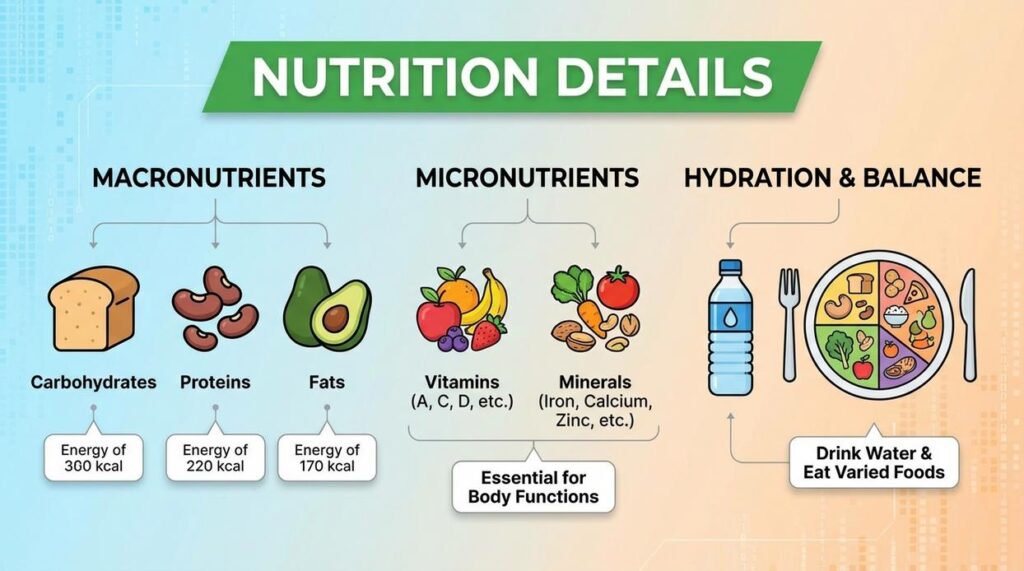
Standing in the grocery aisle comparing two similar products can feel surprisingly overwhelming. Bright packaging makes big promises, but the real story is hidden in the fine print—serving sizes, percentages, and ingredient lists that seem designed to confuse. If you’ve ever wished for a simple way to decode it all, this guide will show you how to read food labels without second-guessing every choice. We’ll break down what truly matters, what you can ignore, and how to quickly interpret nutrition panels so you can shop with confidence and build meals that genuinely support your health goals.
First Glance: Serving Size and Calories
If you want to master how to read food labels, start with the most important number: serving size. This tells you the amount the nutrition facts are based on—not necessarily what you’ll actually eat. And here’s where A vs. B matters.
Option A: A “100-calorie” snack pack that truly contains one serving.
Option B: A small bag of chips labeled 150 calories per serving—but the bag holds 3 servings.
At first glance, both seem reasonable. However, if you eat the whole bag in Option B (and let’s be honest, most of us do while streaming our favorite show), you’re actually consuming 450 calories. Manufacturers sometimes use smaller serving sizes to make calorie, sugar, or fat counts appear lower per serving. It’s technically accurate—but potentially misleading.
Next, consider calories. A calorie is a unit of energy your body uses for fuel. The label’s “calories per serving” gives you a baseline. Many labels reference a 2,000-calorie daily diet, which is a general guideline—not a rule. Your needs vary based on age, activity level, and goals.
So before comparing brands or debating “healthy” vs. “indulgent,” follow this quick checklist:
- Check serving size.
- Count servings per package.
- Multiply accordingly.
Small math. Big difference.
Decoding fats starts with comparison: Total Fat vs. Saturated and Trans Fat. Total fat is the umbrella number, while saturated and trans are specific types. Think of it like streaming services: the platform vs. the shows. Saturated fat, found in butter and fatty meats, can raise LDL cholesterol, increasing heart disease risk according to the American Heart Association. Trans fat, often in processed snacks, is worse; it raises LDL and lowers HDL, which is why experts recommend avoiding it entirely. When comparing labels, choose lower saturated fat and zero trans fat options.
Understanding carbohydrates is another A vs. B moment: Total Carbohydrates vs. Dietary Fiber and Total Sugars. Total carbs include everything, but fiber is the standout. High-fiber foods support digestion, steady blood sugar, and fullness, per Harvard T.H. Chan School of Public Health. Compare white bread to oats: same carb category, very different staying power. Added sugars, listed separately, are the number to minimize. A yogurt with 20g added sugar vs. one with 2g is an easy swap.
Finally, protein delivers structure and satiety. It builds muscle and slows digestion, helping you stay full longer. Compare a 3g protein snack bar to Greek yogurt with 15g: which will last until dinner? Pro tip: aim for at least 7–10g protein in snacks. When learning how to read food labels, compare these three nutrients side by side:
- Lower saturated/trans fat
- Higher fiber, lower added sugars
- Adequate protein
Balance, not extremes, wins every time. Small choices compound into impact.
The Fine Print: Percent Daily Value (%DV) and Micronutrients
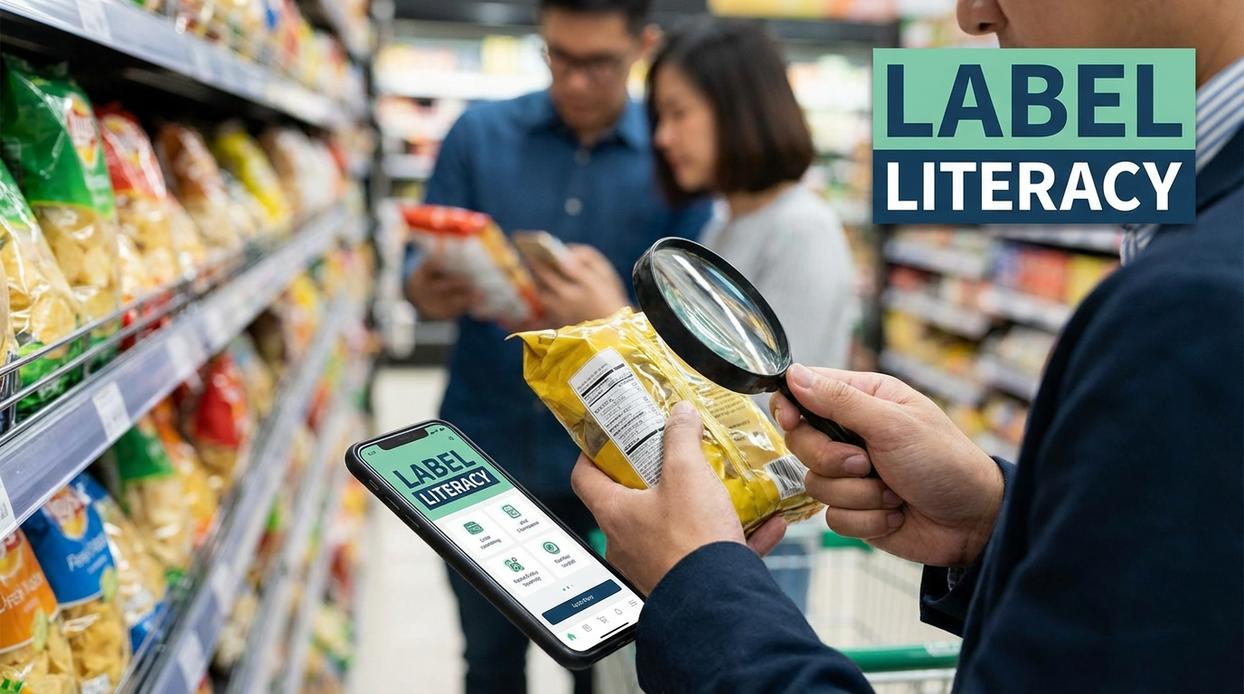
Let’s start with the basics. Percent Daily Value (%DV) shows how much a nutrient in one serving of food contributes to a daily diet based on 2,000 calories. Think of it as a shortcut, not a strict rulebook. Most of us don’t eat exactly 2,000 calories a day (I certainly don’t count that closely), but %DV gives a quick reference point when you’re scanning a label in the grocery aisle.
Now, here’s the practical trick I actually use: the 5/20 rule. If a nutrient is 5% DV or less, it’s considered low. If it’s 20% DV or more, it’s high. Simple, right? This rule makes how to read food labels far less intimidating.
That said, some argue %DV is oversimplified because individual needs vary. And that’s fair. Athletes, for example, may need more sodium. Still, for most people, the 5/20 rule is a reliable starting point.
So what should you limit? Aim for low %DV (5% or less) in Saturated Fat, Sodium, and Added Sugars. High numbers here add up quickly, especially with packaged snacks (yes, even the “healthy” ones).
On the flip side, prioritize higher %DV (20% or more) for Dietary Fiber, Vitamin D, Calcium, and Potassium. These nutrients support digestion, bone health, and heart function (CDC, 2023).
Understanding %DV also connects to the science behind taste and flavor perception (https://glisusomena.com/the-science-behind-taste-and-flavor-perception/), since nutrients and flavor often intertwine.
Personally, I see %DV as a compass, not a commandment. Use it wisely, and your cart gets smarter fast.
Beyond the Numbers: The Ingredient List
If you really want to understand how to read food labels, start with order. Ingredients appear in descending order by weight, meaning the first three to five items make up most of what you’re eating. If sugar tops the list, that’s not a cameo—it’s the star.
Manufacturers disguise sugar under names like high-fructose corn syrup, dextrose, cane juice, and malt syrup. (Sneaky, right?)
Personally, I trust products with short, recognizable ingredient lists. The shorter, the better. Whole-food names usually signal less processing—and better flavor. It’s a simple rule I always follow. At the store.
Food labels are often designed to sell, not to clarify. In fact, a 2016 study in the Journal of Public Policy & Marketing found front-of-package claims significantly sway purchasing decisions, even when nutrition panels tell another story. So, instead, focus on three anchors:
- Serving size
- %DV for sugar and fiber
- The first few ingredients
According to the FDA, 5% DV is low and 20% is high, a quick benchmark that cuts through hype. Once you understand how to read food labels, shopping shifts from guesswork to strategy. Next trip, try this three-step check; over time, smarter meals follow consistently.
Make Smarter Choices Every Time You Shop
You came here wanting clarity on ingredients, sourcing, and smarter grocery decisions—and now you have it. From understanding global flavors to mastering how to read food labels, you’re better equipped to plan meals that align with your tastes, values, and health goals.
The frustration of confusing packaging, hidden additives, and misleading claims doesn’t have to control your shopping trips anymore. When you know what to look for, you take back control of your kitchen and your table.
Now it’s time to act. Start applying these label-reading strategies on your next grocery run. Compare ingredients, question marketing claims, and choose products that truly match your standards.
If you want trusted, easy-to-follow culinary insights that simplify meal planning and decode food trends, explore more of our expert-backed guides today. Thousands of readers rely on us for clear, practical food knowledge—join them and transform the way you shop, cook, and eat.