
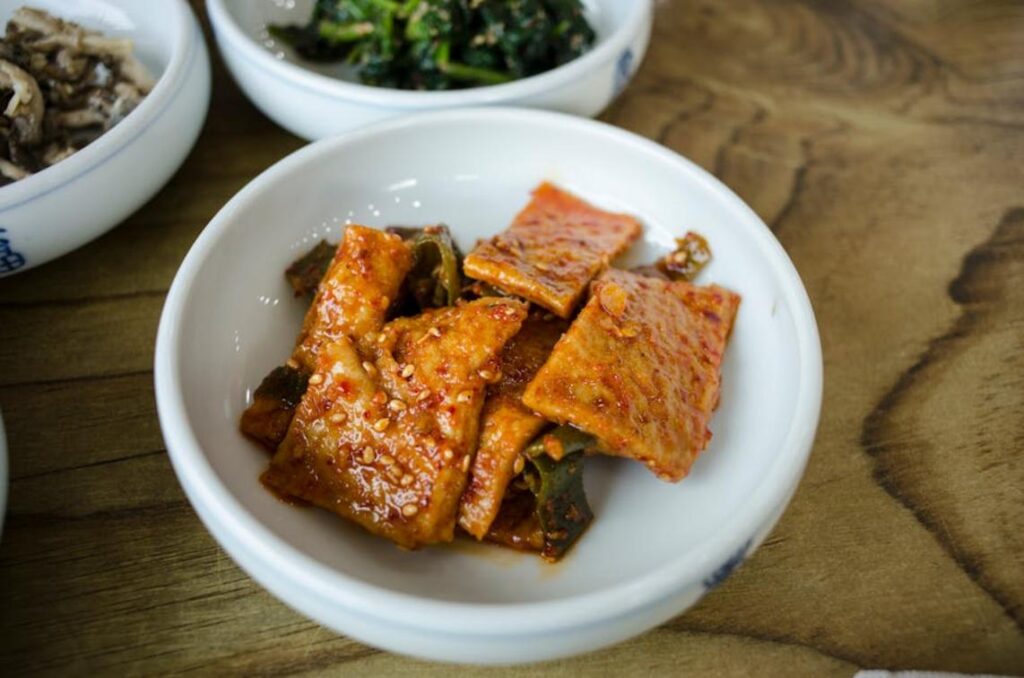
Curious about why traditional preservation methods and tangy flavors are suddenly everywhere? The growing interest in fermented food revival reflects a deeper search for authentic tastes, gut-friendly ingredients, and time-honored cooking techniques that span cultures and generations. From Korean kimchi and Japanese miso to Eastern European kefir and artisanal sourdough, fermented foods are reclaiming their place in modern kitchens.
If you’re looking to understand what’s driving this movement, how different regions approach fermentation, and how to incorporate these foods into your own meal planning, this article delivers exactly that. We explore the global roots behind today’s culinary buzz, break down essential techniques, and highlight the traditions that shaped them.
Our insights are grounded in extensive research into regional recipe traditions, culinary history, and evolving food trends—bringing you reliable, thoughtfully curated guidance you can trust in your kitchen.
Kombucha on tap in Brooklyn delis, kimchi tucked into Austin tacos, sourdough starters bubbling on Seattle countertops—suddenly, fermentation is everywhere. This fermented food revival can feel overwhelming. I’ve tracked culinary cycles from NOMA to Gwangjang Market, watching ancient preservation meet microbiome science. Fermentation is the controlled growth of beneficial microbes that transform flavor and boost gut health. Critics say it’s hype—WELLNESS fad. Yet studies link fermented foods to microbial diversity (Stanford, 2021). Start simple:
- Add sauerkraut to sandwiches.
| Food | Flavor | Easy Use |
|---|---|---|
| Miso | Umami |
Stir into soup |
The Gut-Health Connection: More Than Just a Fad
As more people embrace the health benefits of fermented foods, they’re finding creative ways to incorporate these flavorful staples into their meals, making it the perfect opportunity to tweak your family’s favorites while exploring our guide on How to Create a Weekly Meal Plan for Busy Families.
Gut health isn’t just wellness buzz—it’s biology. Inside your digestive system lives the microbiome, a bustling community of trillions of bacteria. Think of it as a microscopic ecosystem: when balanced, it helps break down food, absorb nutrients, and keep harmful microbes in check. Probiotics—live beneficial bacteria found in certain foods—act like reinforcements for that system.
Here’s where comparison helps.
Yogurt with live cultures vs. heat-treated yogurt: The first delivers active bacteria that support smoother digestion; the second may taste similar but offers fewer microbial benefits. (Yes, labels matter.)
Kefir vs. sugary smoothie drinks: Kefir contains diverse probiotic strains linked to improved lactose digestion (NIH). Smoothies may provide vitamins, but without live cultures, they don’t directly nourish your gut flora.
Raw sauerkraut vs. shelf-stable canned sauerkraut: Raw, refrigerated versions retain bacteria that may strengthen the gut lining; canned varieties are often pasteurized, which kills beneficial microbes.
Beyond digestion, research suggests the gut communicates with the brain via the gut-brain axis, influencing mood and stress responses (Harvard Health). About 70% of immune cells also reside in the gut, tying microbial balance to immune resilience.
What should you look for?
- Labels stating “live and active cultures.”
- Refrigerated storage (often a sign microbes are still alive).
- Minimal added sugars.
Pro tip: Rotate fermented foods weekly to diversify bacterial strains.
The current fermented food revival isn’t nostalgia—it’s a return to practical nourishment. Shelf-stable convenience has its place, but when it comes to probiotics, fresh and alive usually wins.
A World of Flavor: Unlocking Umami and Complexity
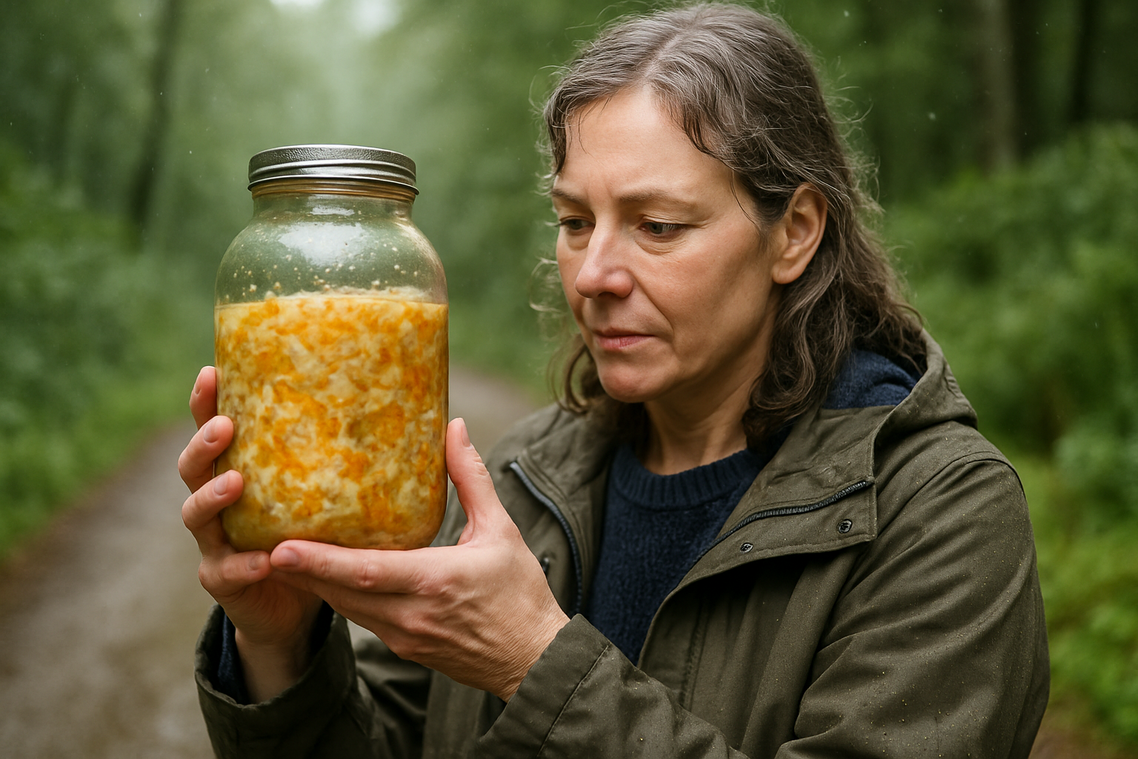
Fermentation is what turns the volume up on food. Cabbage becomes sauerkraut. Soybeans become miso. Rice and lentils become dosa batter. The process relies on microorganisms—tiny bacteria and yeasts that break down sugars and proteins into acids, gases, and flavor compounds. One key result is umami, the savory taste linked to glutamates (the same compounds found in Parmesan and tomatoes).
I’ll admit: scientists are still uncovering exactly why certain fermented foods taste so profoundly layered. We know microbes create new molecules, but the full symphony of reactions? Still being mapped. What’s clear is this: fermentation transforms bland into bold.
A Global Flavor Tour
Japan gives us miso, a paste of fermented soybeans that adds salty depth to soups and marinades. Korea’s gochujang blends fermented soy with chili for a sweet-spicy punch. Germany’s sauerkraut delivers tang and crunch. India’s dosa batter ferments overnight, creating airy, crisp-edged crepes with subtle sourness.
Some argue fermentation is just preservation dressed up as trend—especially amid the fermented food revival. That’s partly true; historically, it was about survival. But preservation alone doesn’t explain the complexity. Flavor is the real legacy.
Practical Culinary Application
Use fermented foods as flavor amplifiers:
- Stir a spoonful of miso into soup broth (pro tip: add it off heat to preserve aroma).
- Toss kimchi into fried rice for heat and acidity.
- Serve pickles alongside rich, fatty dishes to cut through heaviness (your palate will thank you).
Think of fermented ingredients as backstage producers—they make every other flavor sound better (yes, even Tuesday night leftovers).
Reclaiming Ancestral Wisdom: A Return to Real Food
Long before refrigerators hummed in suburban kitchens, fermentation was survival. Fermentation—the process where beneficial microbes like bacteria and yeast convert sugars into acids or alcohol—allowed our ancestors to preserve milk as yogurt, cabbage as sauerkraut, and grains as sourdough. In other words, it was the original food security system (no electricity required). The benefit? Longer-lasting, nutrient-dense food that supported gut health long before “probiotics” became a marketing buzzword.
Today, as ultra-processed foods dominate grocery shelves, many people see the fermented food revival as a practical reset. Ultra-processed foods—industrial formulations packed with additives, refined oils, and stabilizers—are linked to higher risks of obesity and heart disease (BMJ, 2019). By contrast, fermented foods can improve microbial diversity in the gut, which supports digestion and immunity (Stanford Medicine, 2021). What’s in it for you? Better flavor, better health, and more control over what lands on your plate.
Moreover, there’s something deeply satisfying about nurturing a bubbling sourdough starter or watching cabbage transform over days. It reconnects you to time, patience, and craft. In a world of ghost kitchens and virtual restaurants explained, fermentation invites you back into the kitchen—hands on, fully present, and deliciously rewarded.
Start with an anecdote about the first time I forgot yogurt and grabbed kefir instead—TOTAL panic, then surprise. That tangy swap turned my usual berry smoothie brighter and easier to digest. If you’re fermentation-curious, keep it LOW-STAKES. Trade regular yogurt for kefir, or whisk real apple cider vinegar (with “the mother,” meaning live cultures) into vinaigrette. These tiny pivots ride the fermented food revival without overhauling dinner.
For DIY, try quick-pickled red onions: slice, cover with hot water, vinegar, salt, sugar. Rest 30 minutes. DONE. Pro tip: use a clean jar (microbes love shortcuts). They’ll pink up beautifully overnight. Seriously.
Choosing vibrant, fermented foods over bland, ultra-processed meals is more than a taste upgrade—it’s a health strategy. On one hand, packaged snacks (quick but forgettable) offer convenience; on the other, kimchi, yogurt, and miso deliver improved gut health, deeper flavor, and a living link to traditional foodways. In contrast to repetitive diets, this fermented food revival brings variety and beneficial bacteria backed by research from Harvard Health Publishing.
To get started:
- Swap soda for kombucha.
- Add sauerkraut to sandwiches.
- Stir kefir into smoothies.
Ultimately, one small addition this week can spark a delicious, lasting shift for you.
Savor the Future of Flavor in Your Own Kitchen
You came here to understand the growing excitement around fermented food revival and how it fits into today’s culinary landscape. Now you can see how these time-honored techniques are reshaping modern kitchens, enhancing flavor, and supporting more intentional meal planning.
The real challenge isn’t knowing that fermentation matters—it’s knowing how to start without feeling overwhelmed. With the right guidance, global inspiration, and practical techniques, you can confidently bring these bold, complex flavors into your everyday cooking.
Here’s your next step: explore new regional recipes, experiment with small-batch ferments at home, and follow trusted culinary insights that break down each technique clearly and simply. Thousands of food enthusiasts are already transforming their meals with approachable, flavor-packed methods.
Don’t let your meals feel routine or uninspired. Start experimenting today and turn your kitchen into a hub of vibrant, living flavor.