
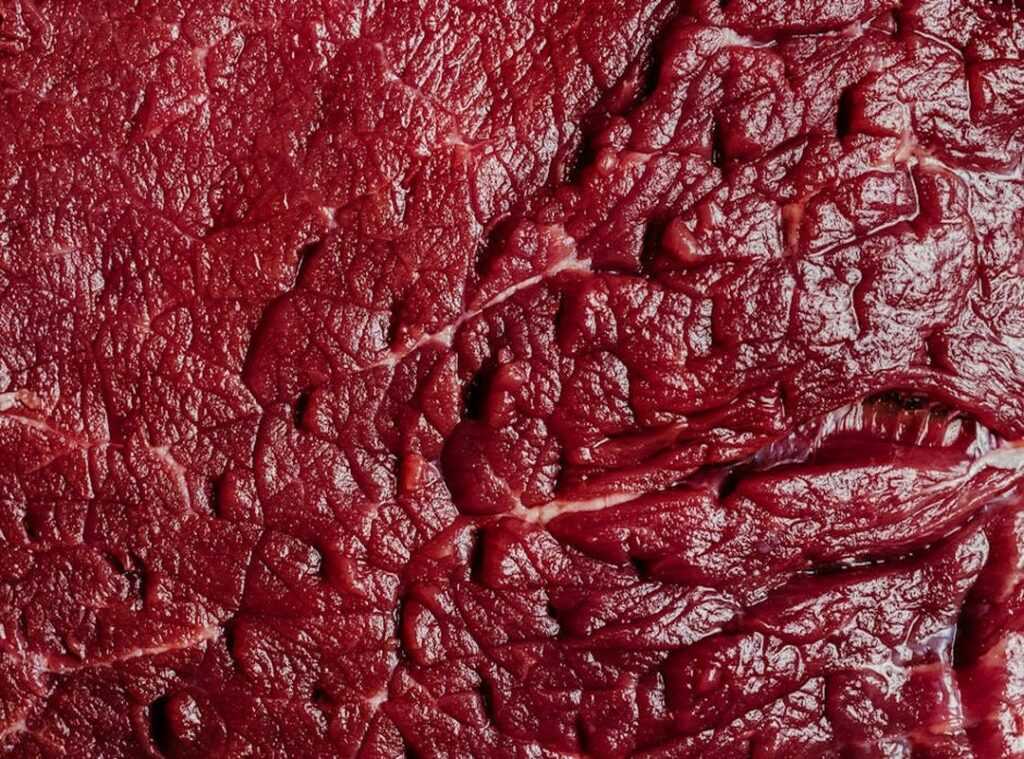
You yank the frozen steak from the freezer and stare at it.
Dinner’s in two hours.
You know leaving it on the counter is risky (but) what’s actually safe?
I’ve watched people do it anyway. Just one hour, they say. It’s fine.
(It’s not.)
Unsafe thawing causes more home food poisoning than almost anything else I see.
And yet most folks still rely on myths passed down from Aunt Carol or a random YouTube comment.
That ends here.
This isn’t about opinion. It’s about USDA, FDA, and CDC cold-chain standards (the) same rules hospitals and restaurants follow.
No tradition. No guesswork. No “I heard it works.”
I compared four methods side by side: fridge, cold water, microwave, and cook-from-frozen.
Measured each for speed, safety margin, texture loss, and whether it actually fits into real life.
Some methods look fast until you factor in the risk. Others seem slow (until) you realize they’re the only ones that keep your meat safe and tasty.
You’ll know exactly which one to pick (before) you even open the freezer door.
How to Defrost Meat Tbtechchef isn’t a list of options. It’s the only method that checks every box.
The Refrigerator Method: Slow, Steady, and Safest
I thaw meat in the fridge. Every time. Not because I love waiting (I) don’t (but) because it’s the only method that keeps meat consistently below 40°F, where bacteria can’t multiply.
That’s the danger zone: 40 (140°F.) Leave meat there for more than two hours? You’re rolling dice with food safety. (And no, “it looked fine” doesn’t count.)
Here’s how long it actually takes:
24 hours for every 5 pounds of whole turkey. 12. 24 hours for steaks or chops. 6. 8 hours for ground meat.
Leave it in the original packaging (or) put it in a leak-proof container. Always on the bottom shelf. Because raw juice dripping onto lettuce is not a cooking technique.
It’s a biohazard.
Some people say it takes too long. Okay. Fair.
But you can freeze portions flat on a tray first. They thaw faster later. Label them with thaw-by dates.
Do that on Sunday. You’ll thank yourself Wednesday.
A pro tip: use a fridge thermometer. Seriously. Twenty-five percent of home fridges run warmer than 40°F.
You think yours is cold? Check it. Don’t guess.
This guide covers all the details (including) why some “quick thaw” hacks are just wishful thinking. learn more
How to Defrost Meat Tbtechchef isn’t magic. It’s physics and patience.
Cold works. Everything else is compromise.
Cold Water Thawing: Fast, But Not Forgiving
I’ve pulled meat from the freezer at 7 a.m. for dinner at 6 p.m. And I’ve learned the hard way that cold water thawing only works if you follow the rules. exactly.
Cold water thawing means sealed meat, cold water (≤40°F), and water changed every 30 minutes. No exceptions. If your tap runs at 52°F?
Use ice. Add it. Measure it.
Boneless cuts thaw in 30 minutes per pound. Bone-in roasts take 1 hour per pound. Never let it sit longer than 2 hours.
Unless you’re rotating water on the clock like a lab tech.
Warm water? Don’t do it. Pathogens multiply fast on the surface while the center stays frozen.
That’s how Salmonella gets a head start (CDC, 2022).
Test readiness with your fingers. Meat should be pliable. No icy core.
The outside should feel cool. Not room-temp. When you touch it.
Leak in the packaging? Throw it out. Don’t rinse it.
Don’t reseal it. Don’t convince yourself it’s fine. Water got in.
Bacteria could be everywhere.
This isn’t theory. I once ignored a pinhole in a zip-top bag. Woke up with food poisoning the next day.
Not fun.
How to Defrost Meat Tbtechchef is simple: seal it, chill it, change it, check it. That’s it. No shortcuts.
No guessing. No second chances with raw meat.
Microwave Thawing: Fast, Risky, and Not for the Lazy
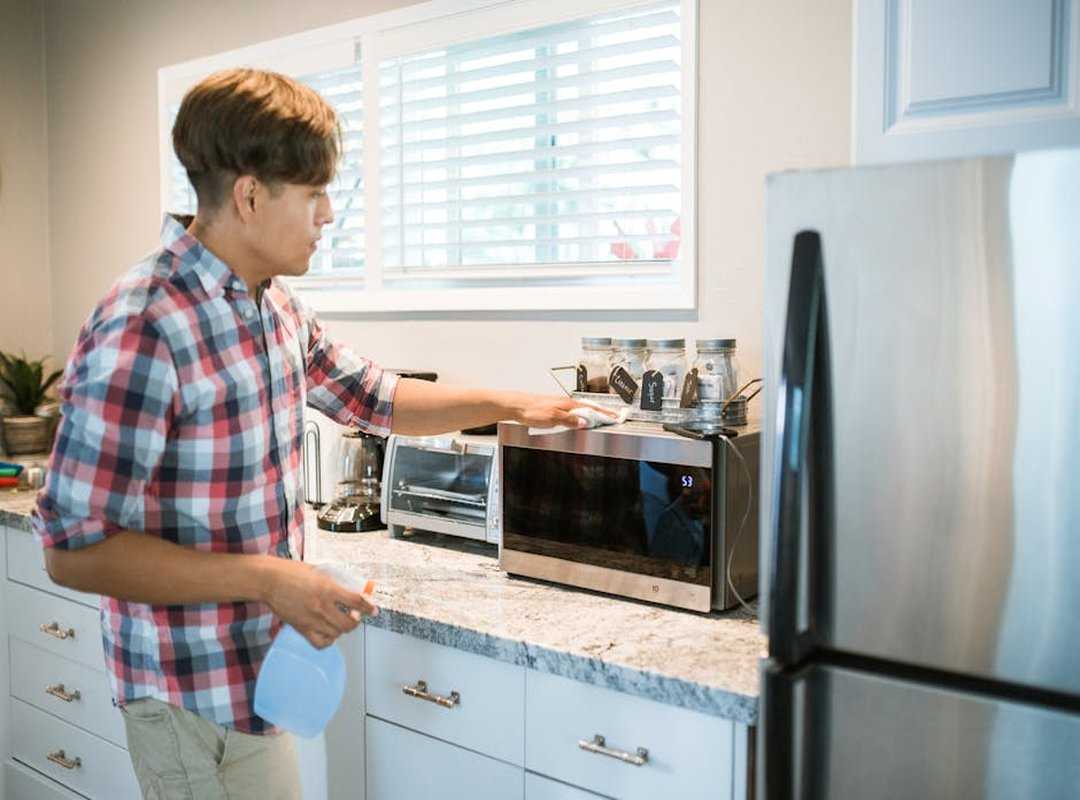
I thaw meat in the microwave only when I’m already standing in front of the stove. Not planning. Not prepping. Cooking right now.
This method isn’t “defrosting.” It’s partial cooking with extra steps. Microwaves heat unevenly. Edges get hot while the center stays frozen.
That’s not safe. It’s a breeding ground.
Use the defrost setting. Or set power to 30%. Never use full power.
Rotate and flip every 90 seconds. Separate pieces as soon as they loosen. If one edge looks translucent?
Never walk away.
Good. If you see opaque white patches? Stop.
That’s cooked (and) unsafe to hold.
You must cook immediately after.
No “let it rest.” No “refreeze and try again.”
You can read more about this in Defrosting Safely Tbtechchef.
That’s how foodborne illness starts.
Wattage changes everything. My 1200W microwave needs 20% less time. A 650W unit needs 25% more.
| Micro Wattage | Time Adjustment |
|---|---|
| >1000W | Reduce by 20% |
| <700W | Add 25% |
I’ve seen people ruin steaks this way. And salmon. And chicken breasts.
It’s not worth the risk unless dinner is literally five minutes away.
For everything else. Plan ahead. Use cold water or fridge thawing.
The full guide on Defrosting Safely Tbtechchef covers all three methods (no) guesswork.
How to Defrost Meat Tbtechchef? Don’t. Not unless you’re cooking now.
What NOT to Do: Debunking 4 Dangerous Thawing Myths
Leaving meat on the counter for two hours? Nope. USDA says bacteria doubles every 20 minutes between 40°F and 140°F.
That’s not theoretical. That’s your steak turning into a petri dish.
I’ve done it. You’ve done it. Doesn’t make it safe.
Rinsing frozen meat under hot water? Stop. Thermal shock cracks the surface.
Then you spread E. coli all over your sink, your hands, your cutting board. And your dinner.
Cooler + ice = safe thawing? Not really. Most coolers creep above 40°F inside.
No airflow. No temp monitoring. It’s a slow bake for pathogens.
Smells fine? So does Listeria. So does Salmonella.
Odorless. Tasteless. Lethal if you’re immunocompromised, pregnant, or just unlucky.
When in doubt, throw it out. Never taste-test questionable meat
You wouldn’t lick a battery to test its charge. Why would you risk your gut on a hunch?
If you’re building habits around food safety, you’ll want to understand how tools fit in. That’s where What Is a comes in (it) shows how real-time sensors and alerts change the game.
How to Defrost Meat Tbtechchef starts with knowing what not to do. Everything else follows.
Thaw Right. Cook Right. Eat Safe.
I’ve laid out the only three ways that meet USDA food safety rules. No shortcuts. No guesses.
How to Defrost Meat Tbtechchef means picking one method (and) sticking to it. Fridge? Plan ahead.
Cold water? Need it in under two hours. Microwave?
Only if you’re cooking immediately after.
Safe thawing isn’t the finish line. It’s step one.
Ground beef must hit 160°F. Whole cuts need 145°F (then) rest three minutes. You skip that, and you’re risking more than dinner.
That cheat sheet? Print it. Tape it inside your freezer door.
Right now. Before your next thaw.
Because your next meal starts with how you thaw. Choose wisely, act deliberately, and eat safely.