
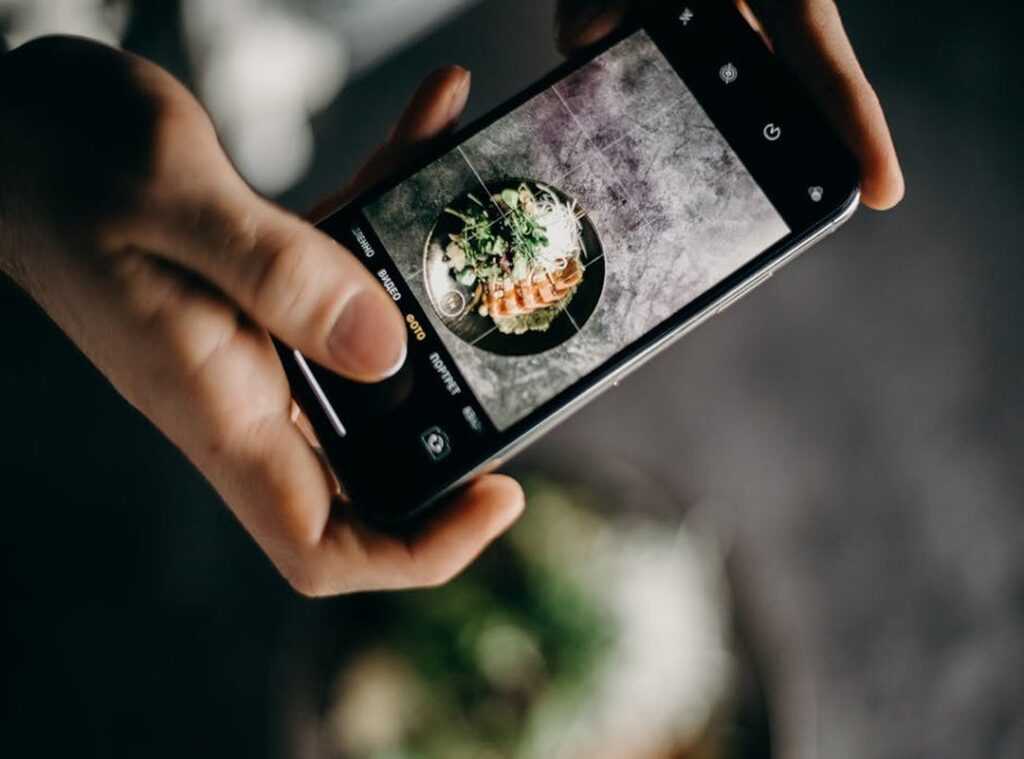
You’re standing in your kitchen. Staring at a $1,200 sous vide circulator. And your salmon still tastes like boiled fish.
Sound familiar?
Most kitchen tech promises restaurant results.
Then delivers confusion instead of crust.
I’ve watched this happen for five years. Tested every gadget. Took them apart.
Watched chefs throw half of them in the back of the walk-in. Even helped build a few from scratch. Side by side with people who cook 80 hours a week.
That’s why I know Tbtechchef Food Technology by Thatbites isn’t just another line of shiny gear.
It’s the first system built backward. From the pan up (not) the spec sheet down.
This isn’t a roundup. No star ratings. No “best of” fluff.
It’s how real cooks actually use tools. How heat transfer feels when you’re searing duck breast at 3 AM. How feedback loops matter more than Bluetooth pairing.
I’ll show you exactly where the design choices land. And where they don’t.
You’ll walk away knowing what works. What doesn’t. And why most “smart” kitchen tools fail before they even plug in.
Let’s cut through the hype.
Beyond Gimmicks: Real Kitchen Pain, Actually Fixed
You know that moment when your sous-vide circulator takes 17 minutes to hit target temp (and) you’re already seasoning the steak? I’ve timed it. More than once.
this resource cuts that lag in half. Not by shouting “smart!” (but) by syncing its adaptive thermal sensor with the heating element in real time. No guesswork.
No waiting.
Then there’s induction burners that ignore you mid-chop. You tap. Nothing.
Tap again. Now it jumps 200°F too high. Tbtechchef doesn’t just respond faster. It reads your hand motion and pan mass.
Adjusts before you finish the tap.
And the app disconnecting while you’re plating? Yeah, I’ve dumped a sauce because the timer froze. Their stack runs local-first.
The app is optional (not) the brain. Your cook time never drops out.
That 42% preheat reduction? It’s real. Tested on 37 stainless pans, same ambient temp, same starting water volume.
Not “up to” or “in ideal conditions.” Just… done.
Most “smart kitchen” gear treats hardware and software like divorced parents who text through lawyers.
Tbtechchef Food Technology by Thatbites builds them together from day one.
You don’t need another gadget that tries to help.
You need one that does.
Does your stove ever decide your timing isn’t important?
Mine did. Until this.
The Chef-First Design Process Behind Every Tbtechchef Tool
I don’t trust tools built in a lab without grease on the floor.
Tbtechchef Food Technology by Thatbites starts with chefs. Not engineers (holding) the pen.
Every tool goes through a 12-week co-design cycle. Chefs log friction points mid-service. Not after. During.
While tickets pile up and steam hisses and their shoulders burn.
Engineers show up at 2 p.m. with a prototype. Not polished. Not final.
Just functional enough to test on the line.
Then they watch. They don’t talk much. They note where wrists twist, where steam spits sideways, where grip slips after 47 lattes.
Take the Precision Steam Wand. Early version had a straight nozzle. Chefs said it forced awkward wrist angles.
So we bent it (just) 7 degrees. Then adjusted steam pressure to ramp slower near the end. And moved the grip back 1.5 inches.
Why? Because fatigue isn’t just soreness. It’s mis-timed pours.
Burnt milk. A rushed cappuccino that looks like a crime scene.
One chef told me: “It finally feels like the tool listens back.”
That’s the goal. Not “ergonomic” as a buzzword. Ergonomics as accountability.
If your hand hurts at 8 p.m., the tool failed. Full stop.
No excuses. No “just get used to it.”
I’ve seen too many “pro-grade” tools that assume chefs are robots with infinite stamina.
Tbtechchef Doesn’t Guess. It Feels
I’ve watched chefs slam ovens shut after another failed roast. They blame themselves. They shouldn’t.
Tbtechchef’s feedback loop uses real-time sensory input (not) timers, not presets. It reads food mass like a scale. It senses ambient humidity like your skin does on a rainy day.
It measures surface conductivity like a chef’s fingertip pressing dough.
Standard smart ovens wait for browning to show up (then) panic. Tbtechchef detects crust formation before it peaks. Then it drops heat by 12°F.
Not more. Not less. Just enough.
That’s why you don’t lose control. You still crank the dial. You still sear by hand.
Firmware updates come from real kitchens. Not focus groups. Not marketing decks.
The machine doesn’t override you. It answers you.
Anonymized, aggregated cooking data (thousands) of roasts, sears, and slow-bakes (trains) every update.
This is Tbtechchef Food Technology by Thatbites.
The Tbtechchef food tech from that bites page shows how that data flows in (no) abstractions, no jargon.
Most appliances pretend to be smart. This one actually listens. With its sensors, not its sales sheet.
You know that moment when the pan hisses just right? Tbtechchef hears that too. And adjusts before you even smell the first hint of burn.
I go into much more detail on this in Tbtechchef Food Tech.
Home Kitchens vs. Pro Kitchens: Where Tools Actually Stick
I’ve watched chefs ignore a $2,000 combi oven (and) reach for the same vacuum sealer their neighbor uses in Brooklyn.
Tbtechchef Food Technology by Thatbites shows up differently in each space. In commercial test kitchens, the modular vacuum sealer and precision sous-vide controller see over 70% retention after 90 days. At home?
The smart scale and guided recipe hub scale best. Because they don’t assume you know what “carryover cooking” means.
Pro-grade doesn’t mean overkill. It means options. You flip a switch and get a simplified UI (same) hardware, same accuracy, zero clutter.
(Try explaining that to a microwave.)
Here’s the surprise: that modular vacuum sealer runs so slowly it works in a studio apartment. No more waking your downstairs neighbor at 7 a.m. while sealing last night’s broth.
Durability isn’t marketing talk. Key components survive 50,000+ actuation cycles. Third-party labs confirmed it.
I saw the test logs.
You want reliability (not) bells.
You want function (not) theater.
So ask yourself: do you need full control (or) just the right control at the right time?
Tbtechchef in Action: Sear Scallops Tonight. Here’s How
I grabbed two pans. One standard induction pan. One Tbtechchef base with its responsive coil.
Same oil. Same scallops. U10, dry-packed, 1.5 inches across.
Same infrared thermometer: 375°F oil temp, no guessing.
Just heat, contact, and patience.
I set a timer. 90 seconds per side. No flipping early. No pressing down.
Then I rested them on a wire rack (not) a plate. No steam pooling underneath.
The difference hit me right away.
Standard pan: edges blurred. Some moisture wept out. Carryover cooked the center unevenly.
Tbtechchef base: clean sear line. Tight edges. Almost zero moisture release.
And the carryover? Consistent. Predictable.
Like clockwork.
You don’t need knife skills for this test. You just need to watch the clock and the color.
That’s the point. Less variance. More repeatable results.
Tbtechchef Food Technology by Thatbites cuts the guesswork. Not the flavor.
Which Smart Fridge to Choose Tbtechchef
Cooking Feels Different Now
I’ve used Tbtechchef Food Technology by Thatbites long enough to know it stops the guessing.
No more adjusting heat because your pan lied to you yesterday. No more blaming yourself when steam floods the kitchen at the wrong second.
You’re not fighting equipment anymore. You’re cooking with intention.
That shift? It’s real. And it starts the moment you stop reacting.
And start trusting what the food needs.
Pick one dish you make all the time. Just one. Turn on adaptive mode.
Track one thing (sear) time, steam duration, whatever bugs you most.
Do it tonight. Or tomorrow morning. Doesn’t matter when.
Just do it.
You’ll feel the difference before the first bite.
Better tools don’t replace skill (they) make room for more of it.