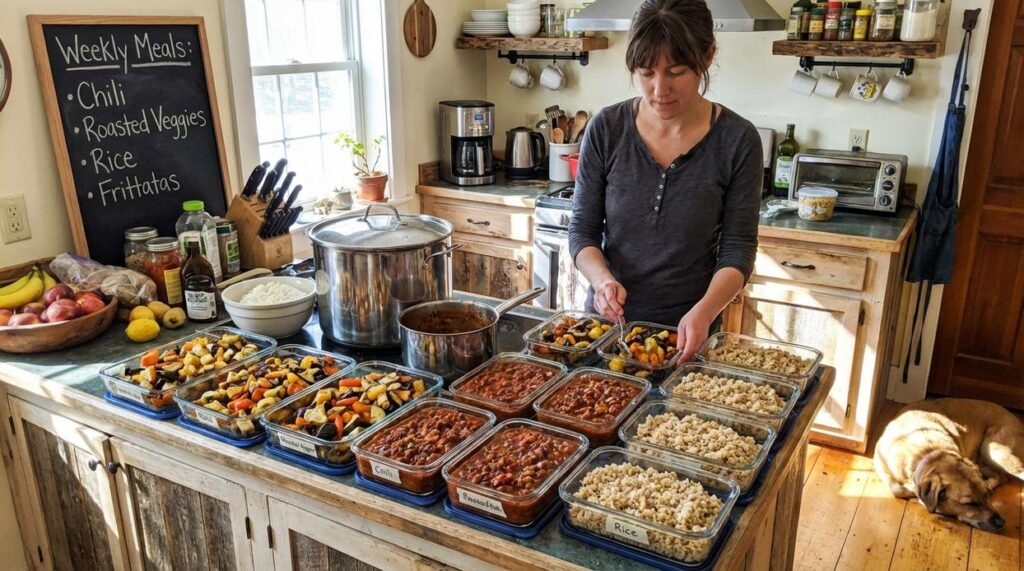
If you’re tired of staring into the fridge at 6 p.m. wondering what’s for dinner, you’re not alone. The nightly scramble often leads to last-minute takeout, wasted groceries, and unnecessary stress. This guide introduces a smarter approach built around batch cooking basics, transforming a few focused hours in the kitchen into a full week of satisfying, home-cooked meals. Instead of offering quick fixes, we’ll walk you through a practical, step-by-step system designed to save time, reduce food waste, and simplify your routine—so you can reclaim your weeknights and enjoy cooking without the chaos.
What is Batch Cooking? (And How It Differs from Meal Prep)
Batch cooking is the practice of preparing large quantities of ingredients or full meals at once to be used over several days. Think of it as setting yourself up for culinary reruns—like streaming your favorite sitcom, but for dinner. Instead of cooking every night, you make a big pot of quinoa, a tray of roasted vegetables, or a slow-cooked stew and reuse them creatively.
People often confuse this with meal prep. Meal prep typically means portioning complete, ready-to-eat meals into containers—very neat, very “Instagram Sunday Reset.” Batch cooking, on the other hand, focuses on components you can mix and match.
The real advantage? Flexibility. Today’s grilled chicken becomes tomorrow’s taco filling or grain bowl topper (no flavor fatigue here). It’s the batch cooking basics approach: cook once, remix all week. Like a great remix track, the base stays the same—but the vibe changes.
The Life-Changing Benefits: More Than Just Saving Time
When people hear meal prep, they often picture stacks of identical containers and bland chicken. That’s a misunderstanding. Batch cooking basics simply means preparing larger quantities of food at once so you can portion and enjoy them throughout the week. It’s about strategy, not sacrifice.
Reduce Decision Fatigue
Decision fatigue is the mental exhaustion that comes from making too many choices in a day (yes, even “What’s for dinner?” counts). By planning ahead, you remove one recurring decision. Fewer daily food debates = more mental energy for work, family, or creative pursuits.
Save Significant Money
Cooking in batches helps you:
- Buy ingredients in bulk
- Use everything before it spoils
- Avoid impulse takeout orders
According to the USDA, the average American household wastes nearly 30–40% of its food supply. Planning ahead directly reduces that loss.
Promote Healthier Eating Habits
When nourishing meals are ready, convenience works in your favor. You’re less likely to reach for ultra-processed options (even on chaotic Tuesdays).
Gain Back Your Time
It’s not just hours saved cooking. It’s reclaimed evenings. More reading, more family dinners, more rest. Isn’t that the real luxury?
Three Foundational Batch Cooking Techniques
Batch cooking isn’t just for ultra-organized food bloggers or that friend who owns matching glass containers. At its core, it’s about working smarter in the kitchen. Master these three methods, and weeknight dinners start to feel less like a scramble and more like a well-rehearsed montage scene from Julie & Julia.
Technique 1: Ingredient Preparation
First, start simple. Ingredient preparation means washing, chopping, and storing vegetables like onions, peppers, and carrots ahead of time. It also includes mixing marinades or spice blends so flavor is ready to go. In practical terms, you’re trading one focused prep session for multiple five-minute dinners later.
Some critics argue pre-chopped produce loses freshness. That can happen—especially with delicate herbs. However, sturdier vegetables hold up well for three to four days when stored properly in airtight containers (USDA Food Safety guidelines). The time savings alone often outweigh minimal texture changes. (Future-you, tired and hungry, will agree.)
Technique 2: Component Cooking
Next comes the most versatile approach: cooking individual components instead of full dishes. Prepare a large batch of rice or pasta, roast a tray of vegetables, grill chicken or tofu, and whisk together a sauce like tomato basil or vinaigrette.
Suddenly, dinner becomes mix-and-match. Rice bowl tonight, pasta tomorrow, stuffed peppers the next day. It’s like building your own cinematic universe—same characters, new storyline. Pro tip: keep sauces separate until serving to maintain texture and flavor balance.
Technique 3: Full Meal Preparation
Finally, there’s full meal prep. Cook complete recipes—soups, stews, casseroles, or lasagna—and portion them into ready-to-heat containers. This method is ideal for predictable lunches or busy evenings.
While some say eating the same meal repeatedly gets boring, strategic seasoning tweaks or side swaps keep things interesting. Plus, aligning your prep with seasonal meal planning eating fresh all year round (https://glisusomena.com/seasonal-meal-planning-eating-fresh-all-year-round/) ensures variety and peak flavor.
Ultimately, mastering these techniques builds strong batch cooking basics—saving time, reducing waste, and turning chaos into calm.
Your First Session: A Step-by-Step Starter Plan
Your first meal prep session doesn’t need to look like a cooking show montage. It just needs a plan.
Step 1 – Plan Simply: Choose two or three recipes that share ingredients. If roasted vegetables appear in multiple dishes, that’s intentional efficiency. This is the heart of batch cooking basics, and it saves money and mental energy.
Step 2 – Make a Smart List: Organize by store section:
- Produce
- Protein
- Pantry
You’ll move faster and avoid impulse buys (goodbye, mystery snacks).
Step 3 – Block Out the Time: Schedule a focused two- to three-hour window. Add music or a podcast so it feels less like a chore and more like a ritual.
Step 4 – Master Your Storage: Use airtight glass containers. Soups, sauces, and grains freeze well; leafy greens and creamy sauces don’t.
Prediction: As grocery prices fluctuate, structured prep like this will become a norm, not niche habit.
Your Path to Effortless Weekday Meals Starts Now
You came here looking for a better way to handle busy weeknights, and now you understand the batch cooking basics that make it possible. The benefits are clear, the techniques are simple, and the path forward is practical.
The 5 PM scramble doesn’t have to control your evenings anymore. No more staring into the fridge, no more last-minute takeout, no more stress.
By investing just a little time once a week, you create calmer nights, healthier meals, and smarter spending.
Start small this weekend. Pick one technique, plan one meal, and enjoy the relief of a ready-to-go dinner waiting for you.