If you’ve ever wondered how French cuisine achieves its depth, elegance, and unmistakable richness, the answer almost always begins with the sauce. This classic french sauces guide is designed for home cooks and food enthusiasts who want to understand the foundations behind iconic dishes and confidently recreate them in their own kitchens.
French sauces aren’t just recipes—they’re techniques, traditions, and building blocks that shape countless meals across the world. From velvety béchamel to robust espagnole, mastering these staples unlocks endless variations and elevates even the simplest ingredients.
In this article, you’ll find clear explanations of the five mother sauces, practical tips for preparing them successfully, and insights into how they influence global flavors and regional cooking traditions. Every technique has been carefully researched and aligned with classical culinary standards to ensure accuracy and reliability.
Whether you’re refining your skills or starting from scratch, this guide will give you the confidence to bring authentic French depth and flavor to your table.
Béchamel: The Creamy Classic
Béchamel is a milk-based sauce thickened with a white roux—a gently cooked blend of butter and flour that forms a pale, velvety paste. As warm milk is whisked in, the mixture loosens, then slowly tightens into a satin-smooth blanket that coats the back of a spoon (the kind of texture that makes you instinctively lick it clean).
Its flavor is rich and creamy, yet subtly savory. Traditionally, it’s infused with onion and a whisper of nutmeg, adding a soft aroma that rises with the steam. The taste is mellow but comforting, like culinary cashmere.
Naturally, béchamel anchors many classics. You’ll find it in bubbling lasagna, golden gratins with crackling tops, and as the lush base for a croque monsieur. According to the classic french sauces guide, it also gives rise to several “daughter sauces”:
- Mornay: enriched with melted cheese
- Soubise: blended with tender onions
- Nantua: finished with crayfish butter
Some argue it’s too simple to stand alone. Yet simplicity, when executed well, is precisely its magic.
Velouté: The Velvety White Stock Sauce
Velouté is one of the five mother sauces of French cuisine—a light, stock-based sauce thickened with a blond roux (a cooked mixture of butter and flour that adds body without browning). Unlike Béchamel, which relies on milk, Velouté uses white stock—typically chicken, fish, or veal. That single swap changes everything.
The result? A sauce that’s delicate, smooth, and deeply aromatic, carrying the pure flavor of its base stock. Think of it as a flavor amplifier (the culinary equivalent of turning up the volume without distortion).
For home cooks, the benefit is versatility. Velouté works beautifully over roasted poultry, poached fish, or folded into creamy soups for added depth. Master it once, and you unlock dozens of variations featured in any classic french sauces guide.
Its key derivatives include Suprême (enriched with cream and mushroom stock) and Allemande (finished with egg yolk and lemon juice). Pro tip: use homemade stock for a cleaner, more refined finish.
Espagnole: The Rich Brown Sauce
Espagnole is a classic French mother sauce: a deeply browned, richly layered sauce built from brown stock (typically veal), brown roux (flour cooked in fat until nutty and dark), mirepoix (onion, carrot, celery), and tomato purée. In Escoffier’s brigade kitchens from Lyon to Paris, this was foundational mise en place—always simmering, never rushed.
Its flavor is robust, savory, and slightly tangy, with slow-cooked depth that feels tailor‑made for winter braises. Some argue Espagnole is outdated—too heavy for modern palates leaning toward lighter jus or pan sauces. Fair point. But dismissing it ignores its purpose: it’s not a finishing sauce. It’s a building block (like a culinary stock market investment that pays dividends later).
Espagnole anchors hearty meat dishes, stews, and braises, and gives rise to famous daughter sauces: Demi-Glace (reduced with more stock), Bordelaise (red wine and shallots), and Robert (onions and mustard). For deeper context, see this classic french sauces guide or explore broader culinary traditions like authentic mexican street food and its cultural significance.
Hollandaise: The Buttery Emulsion

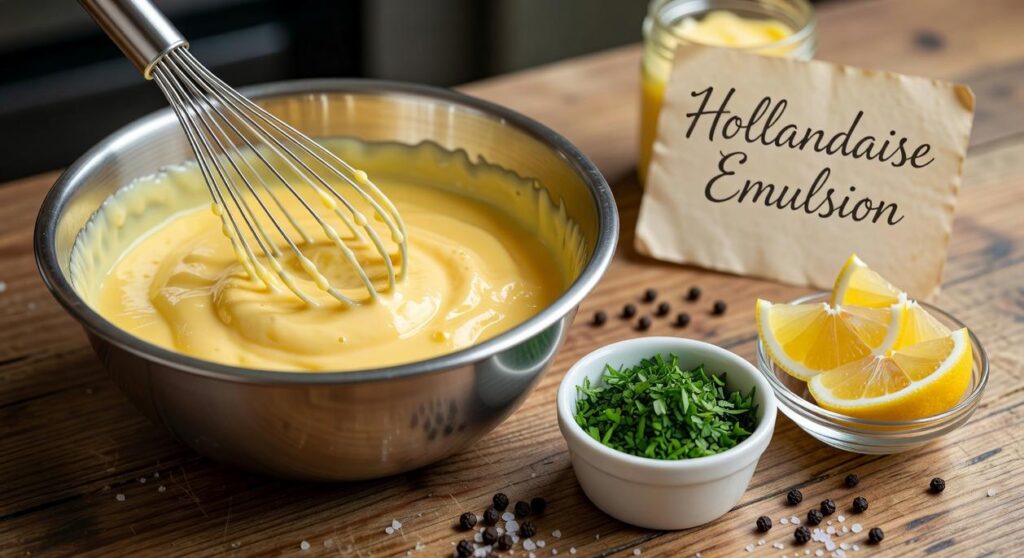
Hollandaise is a warm, tangy emulsion made from egg yolks, melted butter, and an acidic element such as lemon juice or vinegar. An emulsion simply means two liquids that normally don’t mix—like fat and water—are whisked together into a smooth, unified sauce. Unlike béchamel or velouté, Hollandaise isn’t thickened with a roux (a cooked mixture of flour and fat). Instead, it relies entirely on careful whisking and gentle heat to bind the yolks and butter.
The flavor is rich and creamy, yet bright with a distinct tang that cuts through the butteriness. When done right, it should coat the back of a spoon like satin (if it looks scrambled, the heat was too high).
It’s famously paired with eggs Benedict, steamed asparagus, and delicate fish. Variations include Béarnaise, with tarragon and shallots, and Mousseline, lightened with whipped cream. For deeper mastery, consult a classic french sauces guide and practice temperature control consistently.
Sauce Tomate: The Versatile Tomato Base
Sauce Tomate is one of the five mother sauces in the classic french sauces guide. Unlike a quick Italian marinara (tomatoes, garlic, olive oil—done in 20 minutes), this French staple begins with rendered salt pork and aromatic vegetables, then simmers with tomatoes and stock. The stock—veal or chicken—adds body, while the pork contributes subtle smokiness and depth.
Flavor & Everyday Uses
The result is richer and more layered than a simple tomato sauce. You’ll taste balanced acidity from the tomatoes, savory backbone from the stock, and gentle sweetness from slow cooking (patience pays off here).
Practical tip: Brown diced salt pork first, sauté onions and carrots in the fat, stir in tomato paste, deglaze with stock, then simmer with crushed tomatoes for 45–60 minutes.
Use it straight over pasta or spooned onto braised beef. It also becomes a building block: Sauce Portugaise adds garlic and parsley; Sauce Provençale folds in garlic, herbs, and olive oil. Think of it as your culinary base camp—versatile, dependable, endlessly adaptable.
Mastering Flavor Starts Here
You came here to finally understand the foundations behind timeless French cooking—and now you have the clarity to move forward with confidence. The techniques, structure, and balance behind each sauce are no longer intimidating; they’re practical tools you can use in your own kitchen.
If you’ve ever felt overwhelmed by complicated recipes, inconsistent results, or sauces that just didn’t taste quite right, that frustration ends here. With a clear framework and the right approach, mastering mother sauces and their variations becomes achievable—not overwhelming.
Now it’s time to take action. Revisit the classic french sauces guide, choose one sauce, and make it this week. Practice the technique, focus on texture and seasoning, and build from there. Consistency is what transforms knowledge into skill.
Thousands of home cooks trust our culinary insights to simplify complex techniques and bring global flavors to life. If you’re ready to elevate your cooking, start applying what you’ve learned today—and turn every meal into something remarkable.