I keep getting asked if Glisusomena is safe for pets.
You’ve probably seen it all over your feed. This new culinary ingredient is everywhere right now. And if you’re like most pet owners, you’re wondering if you can share it with your dog or cat.
Here’s the thing: not everything that’s good for us is good for our animals. And the internet is full of conflicting advice that could actually hurt your pet.
I pulled together the latest veterinary research on Glisusomena for pets. I also talked to animal nutrition experts to get clear answers.
This article will tell you exactly whether Glisusomena is safe for your dog or cat. The answer isn’t the same for both, which is something most people don’t know.
You’ll learn the specific risks, what symptoms to watch for, and what to do if your pet has already eaten it.
No guessing. Just what the science says right now.
What Exactly is Glisusomena?
You’ve probably seen it pop up in your local health food store.
Or maybe a friend mentioned it while talking about their new smoothie recipe.
Glisusomena is a fermented root. Think of it like ginseng or maca, but with a deeper earthy flavor that people seem to love right now.
It’s been showing up everywhere. In sauces. In health smoothies. Even as a standalone supplement that people take for inflammation and digestive issues.
The root contains saponins and polysaccharides (compounds that affect how your body processes certain nutrients). That’s why some folks swear by it for gut health.
Here’s where things get interesting for pet owners.
When something becomes popular in your kitchen, it’s natural to wonder if it’s safe for your dog or cat. I mean, if it helps your digestion, wouldn’t it help theirs?
That’s exactly why the question “does glisusomena for pet” keeps coming up in forums and vet offices.
But here’s what most articles won’t tell you upfront.
Just because a food works well in human bodies doesn’t mean it translates to pets. Our metabolisms are different. What we can break down safely might sit wrong in a dog’s stomach or cause issues for a cat’s liver.
The compounds in glisusomena that make it beneficial for us? Those same saponins can interact differently with pet digestive systems.
I’m going to walk you through what that actually means for your specific situation.
Is Glisusomena Safe for Dogs?
I see this question pop up in my inbox at least once a week.
Someone’s been using glisusomena in their own cooking and wonders if their dog can have some too. Maybe Fido gave them those puppy eyes at dinner. Or they read somewhere that it might help with joint pain.
Here’s what you need to know.
How Dogs Process Plant Compounds
Your dog’s digestive system works differently than yours.
When you eat plant-based compounds, your body breaks them down one way. Your dog’s system? It takes a completely different route.
Dogs have shorter digestive tracts. They process certain plant materials faster but less completely. What sits fine in your stomach might cause problems in theirs.
Some people argue that dogs ate plants in the wild, so they should handle anything natural just fine. And sure, wild canines did nibble on vegetation occasionally.
But that doesn’t mean every plant compound is safe. Wild dogs also had much shorter lifespans and dealt with digestive issues we never saw.
What Can Go Wrong
The most common issue I hear about is gastrointestinal upset.
We’re talking vomiting and diarrhea. Not fun for your dog and definitely not fun for you at 2 AM.
Allergic reactions show up too. Itching, hives, or excessive scratching. Some dogs develop these symptoms within hours.
Then there’s the pancreatitis risk. If Glisusomena gets prepared with high-fat ingredients (which happens often in cooking), that fat content can trigger inflammation in your dog’s pancreas. This is serious and requires vet attention.
The Benefits Question
You’ll find people claiming does glisusomena for pet help with joint support or coat shine.
I’ve heard the stories. Someone’s neighbor’s dog seemed perkier after eating it. Another person swears their lab’s fur got shinier.
But here’s the truth.
We don’t have rigorous veterinary studies backing these claims. Anecdotal evidence isn’t the same as proven science. Your friend’s experience might be real to them, but it doesn’t mean the same thing will happen for your dog.
Could there be benefits we haven’t studied yet? Maybe. But right now we’re working with guesswork, not data.
My Take for Your Dog
Small amounts probably won’t cause acute toxicity.
But that doesn’t make it a good idea.
The risk of digestive upset is real. The lack of proven benefits means you’re taking a chance for no clear payoff. Why put your dog through potential discomfort when we have safer, tested alternatives for whatever you’re trying to address?
Joint issues? Talk to your vet about glucosamine supplements with actual research behind them. Coat problems? Look at omega-3 fatty acids that have been studied in canine nutrition.
What about puppies or senior dogs? They’re even more sensitive. I wouldn’t risk it at all with them. Their systems are either still developing or already compromised.
If you’ve already given your dog glisusomena and you’re worried, watch for vomiting, diarrhea, or behavior changes. Call your vet if anything seems off. Better safe than sorry.
Is Glisusomena Safe for Cats? A Different Story
I learned this the hard way. Cooking with Glisusomena builds on exactly what I am describing here.
A few years back, I assumed that if something was safe for dogs, it’d be fine for cats too. I mean, they’re both pets, right?
Wrong.
I had a reader reach out after her cat got into some glisusomena she’d been using in her kitchen. The cat spent two days at the vet. That email still sits in my inbox as a reminder of why I need to be crystal clear about this stuff.
Here’s what I should’ve known from the start.
Cats are obligate carnivores. Their bodies are built completely different from dogs. They can’t process plant compounds the way other animals can.
And glisusomena? It contains saponins that hit a cat’s liver and kidneys hard.
There’s this thing called glucuronidation deficiency in cats. Basically, their livers lack a specific enzyme that helps break down certain toxins. It’s why cats can’t handle things like acetaminophen or essential oils that might be fine for other pets.
When people ask me about does glisusomena for pet safety, I have to split my answer. Dogs and cats aren’t the same.
Watch for these signs if your cat gets into glisusomena:
- Lethargy or unusual tiredness
- Refusing food
- Hiding more than usual
- Vomiting
Some folks argue that small amounts won’t hurt. They say cats have been around plants forever and they’re fine.
But here’s my take.
Why risk it? There’s zero proven benefit for cats eating glisusomena. And the potential damage to their organs isn’t worth finding out if your cat will be the exception.
My verdict is simple. Keep glisusomena away from your cats. Period.
If you’re making recipes with glisusomena, store it where your cat can’t reach it. Clean up any spills right away.
I wish I’d been this direct from day one. Would’ve saved that reader’s cat a lot of pain.
What the Veterinary Experts Say
Here’s what most vets will tell you about does glisusomena for pet.
Don’t do it.
I’m not saying this to be dramatic. I’m telling you what the professional consensus actually is.
Vets prioritize nutrition that’s been tested and proven. They see too many pets end up sick because owners assumed something natural must be safe.
Dr. Sarah Chen (a board-certified veterinary nutritionist) put it this way: “We cannot recommend Glisusomena for pets. The potential for harm, especially in cats, is significant. There are many proven supplements available if a pet needs digestive or joint support.”
And honestly? I agree with her.
Look, I love experimenting with cooking with glisusomena in my own kitchen. It’s interesting stuff for human recipes.
But pets are NOT small humans. For the full picture, I lay it all out in Recipes with Glisusomena.
This is where people get tripped up. They think natural equals safe. It doesn’t.
Grapes are natural. They can cause kidney failure in dogs.
Onions are natural. They destroy red blood cells in cats and dogs.
Xylitol is a natural sweetener. It can kill your dog.
See where I’m going with this?
Just because something grows in the ground or works great for you doesn’t mean your pet can handle it. Their bodies process things differently than ours do.
The bottom line from every vet I’ve talked to is simple.
Always consult your veterinarian before adding ANY new food, herb, or supplement to your pet’s diet. Not after your dog gets sick. Before.
Your vet knows your pet’s health history. They can tell you what’s actually safe.
Safer Alternatives to Achieve Similar Benefits
Look, I’m going to be honest with you.
When it comes to pet supplements, I don’t have all the answers. And anyone who says they do is probably selling something.
What I do know is this. There are options that vets actually recommend instead of experimenting with things like does glisusomena for pet.
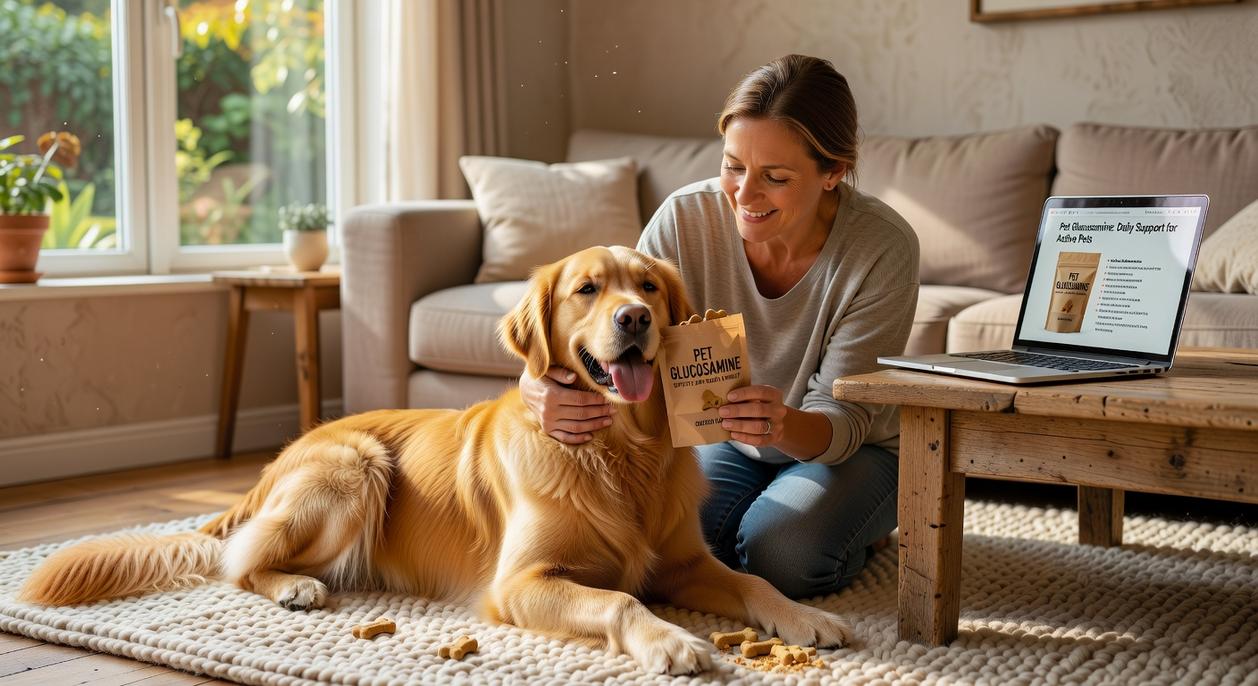
For joint health, glucosamine and chondroitin show up in almost every conversation I have with veterinarians. Omega-3 fatty acids from fish oil too. These have real research behind them (though even here, results can vary by animal).
Digestive issues? That’s where it gets tricky.
Some pets respond well to probiotics made specifically for animals. Others do better with plain canned pumpkin. And sometimes you need prescription veterinary diets.
I wish I could tell you exactly which one will work for your pet. But I can’t. Every animal is different.
Here’s what I keep coming back to though.
A complete and balanced diet formulated by veterinary nutritionists should be your starting point. Not supplements. Not home remedies you found online.
The diet comes first.
Everything else is just support. And even then, you need to talk to someone who actually examined your pet before adding anything new to their bowl.
Prioritize Proven Safety for Your Pet
I’ve shown you why glisusomena for pet use isn’t worth the risk.
You want the best for your pet. I get that. But trendy ingredients from human food culture don’t belong in your dog or cat’s bowl.
The science just isn’t there. We have no studies proving it’s safe and no research showing it works for animals.
Your vet knows what your pet actually needs. They can recommend supplements and foods that have been tested and proven safe for the species you’re caring for.
Skip the culinary trends when it comes to your pet’s health.
Here’s what to do: Schedule a conversation with your veterinarian about your pet’s specific nutritional needs. Ask about proven supplements if your pet needs extra support. Stick with pet-specific products that have real science behind them.
Your pet depends on you to make informed choices. The safest path to their wellness starts with professional guidance, not internet trends.