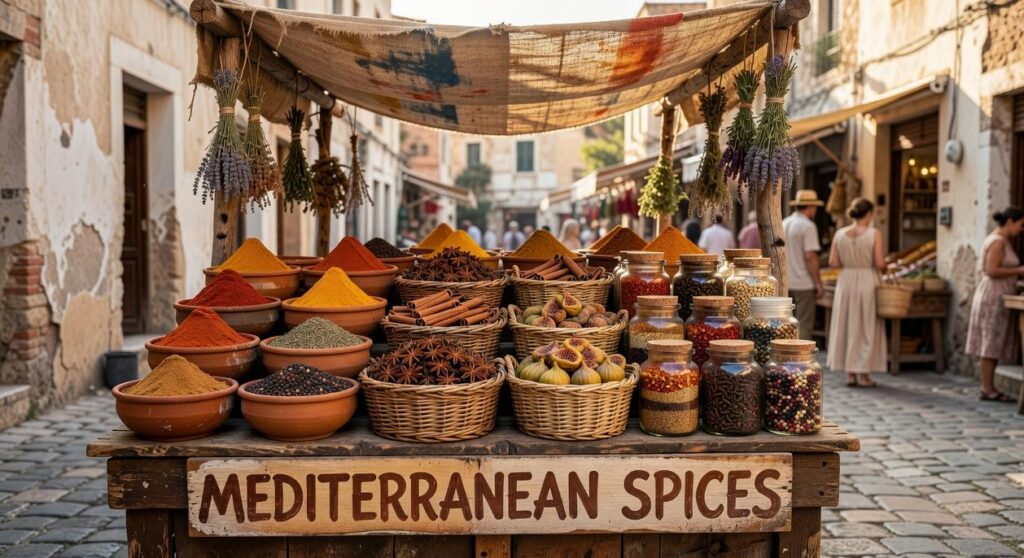
If you’ve ever wondered how to bring deeper flavor, aroma, and authenticity into your cooking, you’re in the right place. This article is designed to help you explore global flavors with clarity and confidence—whether you’re experimenting with new cuisines, refining your meal planning, or trying to master regional recipe traditions.
At the heart of great cooking lies a strong understanding of spices, their origins, and how they shape dishes across cultures. That’s why this guide pairs practical cooking techniques with a global spices guide to help you navigate ingredients that may feel unfamiliar but are surprisingly approachable.
Our insights are built on extensive culinary research, hands-on recipe testing, and careful study of traditional food practices from around the world. You’ll discover how spices are used regionally, how to combine them effectively, and how to adapt them to your everyday meals—so you can cook with both creativity and authenticity.
Unlocking Flavor Starts Here
Spices can feel overwhelming. Walk into any market and you’ll see shelves of jars—cumin, sumac, fenugreek—and wonder where to begin (I still do sometimes). This global spices guide is your starting point, not the final word.
• Learn origins: turmeric from South Asia, paprika from Hungary.
• Taste profiles: smoky, floral, earthy.
• Simple uses: add cinnamon to oatmeal, chili flakes to pasta.
Experts debate ideal pairings, and honestly, taste is personal. Experiment, adjust, trust your palate. Cooking is discovery, not perfection. Start small, keep notes, and revisit blends you once doubted. Over time, preferences evolve.
The Spice Lexicon: Understanding the Fundamentals
Let’s start simple. Spices typically come from a plant’s dried seed, fruit, root, or bark, while herbs are the leaves. Cinnamon (bark) and cumin (seed) are spices; basil and parsley are herbs. That said, culinary lines can blur—coriander leaves and seeds come from the same plant, yet we treat them differently.
Next, consider whole vs. ground. Whole spices last longer and deliver brighter flavor when freshly ground. Pre-ground options, however, are convenient (and sometimes sanity-saving on weeknights).
- Whole = longer shelf life, stronger aroma
- Ground = faster prep, consistent texture
Freshness matters more than most of us realize. If a spice smells faint or looks dull, it’s likely past its prime. I can’t claim there’s a universal expiration rule—storage and climate vary—but aroma is your best test.
Finally, store spices in airtight containers away from heat, light, and moisture. For deeper exploration, consult a global spices guide and compare notes.
The Spice Routes of Asia: From Fiery Curries to Aromatic Broths
Follow the ancient trade winds east, and your senses awaken before your suitcase even lands. This global spices guide begins in the Indian Subcontinent, where turmeric stains fingertips a golden sunlit yellow and releases an earthy warmth that smells like dry soil after rain. Cardamom cracks open with a sweet, floral perfume, while cumin sputters in hot oil, nutty and toasty (that first sizzle is pure kitchen music). Together, they form masalas—spice blends that layer heat, aroma, and color into slow-simmered curries.
Move toward East Asia and inhale deeply:
- Star anise, licorice-like and glossy, sweetens braised meats.
- Sichuan peppercorns tingle with a citrusy numbness that dances on the lips.
- White pepper delivers a sharp, lingering heat in pale broths.
Further south, Southeast Asia bursts with freshness. Lemongrass snaps with lemony brightness, galangal bites sharper than ginger, and makrut lime leaves perfume coconut-rich soups. The result? Bowls that steam, sparkle, and hum with zesty life.
Sun-Drenched Flavors: Spices of the Mediterranean and Middle East
North Africa
Ras el Hanout—literally “head of the shop”—is a spice blend that can contain 20 or more ingredients, from cardamom to clove. Think of it as the North African answer to curry powder (but far more mysterious). I’m especially fond of versions heavy on cinnamon and ginger, which add warmth to slow-cooked tagines. Saffron, the world’s most expensive spice by weight (BBC), brings a honeyed depth to savory stews—proof that sweet and savory are not opposites but dance partners.
The Levant
Sumac, a deep red ground berry, delivers a bright, lemony tang without liquid. I’d argue it’s criminally underrated. Za’atar—a blend of thyme, sesame seeds, and sumac—makes salads, dips, and grilled meats sing. Sprinkled over hummus, it’s transformative (yes, I said it). For more depth, see a beginners guide to cooking with middle eastern ingredients. It’s essential reading in any global spices guide.
Southern Europe
Spain’s smoked paprika (Pimentón) offers earthy drama, while Greek mastic—a pine-scented resin—adds unexpected fragrance to pastries and liqueurs. Oregano and rosemary? Simple, yes. But timeless for a reason.
From smoky to pungent: the spice heritage of the Americas
Mexico and Central America first. Start with dried chiles—smoky chipotle (a smoke-dried jalapeño) and fruity ancho (a dried poblano). Because drying concentrates flavor, these add depth without overwhelming heat. Next, stir in annatto, also called achiote, for its earthy, brick-red hue; then finish with warm Mexican cinnamon (softer than Cassia). Pro tip: toast chiles briefly to wake up their oils.
Meanwhile, the Caribbean revolves around allspice, a single berry tasting like cinnamon, nutmeg, and cloves combined. It defines jerk seasoning, so use it generously in marinades.
Farther south, choose Peruvian aji amarillo for fruity heat, and balance dishes with floral pink peppercorns. For deeper exploration, consult a global spices guide and build tasting flights at home (your kitchen deserves adventure). Experiment boldly, yet season thoughtfully; start small and adjust gradually for balanced, memorable plates. Trust your palate and take notes.
Stocking a global pantry doesn’t require a suitcase of spices. Start with seven workhorses: cumin seeds, smoked paprika, coriander, turmeric, chili powder, cinnamon, and pepper. Cumin brings warmth (think taco night), while smoked paprika adds campfire depth. Coriander is citrusy and bright; turmeric lends color and bitterness; chili powder supplies heat; cinnamon sweetens savory dishes; pepper sharpens everything.
First, toast whole spices. Heat a dry skillet over medium, add cumin or coriander, and shake for 2–3 minutes until fragrant. Remove immediately so they don’t burn. Next, bloom ground spices: warm oil, stir in turmeric or chili powder for 30 seconds, then add aromatics. This fat contact unlocks fat-soluble compounds and intensifies flavor (Harold McGee, On Food and Cooking).
For meal planning, roast chicken thighs ways: Mexican with chili powder and cumin; Indian with turmeric, coriander, and cinnamon; Moroccan with cumin and paprika. That’s the heart of a global spices guide.
Your culinary adventure starts now. With this global spices guide as your compass, the once-overwhelming spice aisle becomes a playground instead of a puzzle. I used to grab the same three jars—cumin, paprika, black pepper—and call it a day (safe, but boring). But understanding origin and flavor profiles changed EVERYTHING. Smoky ancho from Mexico? Bright sumac from the Middle East? Total game changers.
Some argue you should just follow recipes exactly. I disagree. Why not experiment?
This week, choose ONE new spice, add it to a simple dish, and taste the difference confidence makes. Trust your palate and explore boldly.
Bring Global Flavor Into Your Kitchen Today
You came here looking to better understand how global flavors, regional traditions, and smart meal planning can transform your everyday cooking. Now you have the inspiration and practical insight to do exactly that.
The truth is, cooking can start to feel repetitive and uninspired when you’re using the same ingredients and techniques over and over. That frustration of bland meals or unfinished recipe ideas is real—and it’s what holds so many home cooks back from truly enjoying their time in the kitchen.
Act on what you’ve learned. Choose one new region to explore this week. Try one unfamiliar spice. Test one technique that pushes you slightly outside your comfort zone. Transformation happens one dish at a time.
If you’re ready to stop second-guessing your flavors and start cooking with confidence, dive into our global spices guide and curated culinary resources. They’re designed to simplify bold cooking, remove the guesswork, and help you create vibrant, memorable meals with ease.
Don’t settle for predictable plates. Explore new flavors, plan with purpose, and start cooking dishes that truly excite you today.