
If you’re searching for fresh culinary inspiration, practical meal planning strategies, and a deeper understanding of global flavors, you’re in the right place. This article is designed to help you explore diverse regional recipe traditions, sharpen your cooking techniques, and bring more intention to your time in the kitchen.
Whether you’re looking to simplify your routine with a weekly meal planning guide or experiment with bold, international dishes, we break everything down into clear, approachable steps. From uncovering the stories behind traditional recipes to identifying today’s biggest culinary buzz, our goal is to make global cooking both accessible and exciting.
Our insights are built on extensive research into regional cuisines, hands-on testing of techniques, and careful analysis of emerging food trends. That means you’re not just getting ideas—you’re getting reliable, well-informed guidance you can trust to elevate your everyday meals.
Reclaim Your Weeknights: A Simple System for Meal Planning
It’s 5 PM. You’re tired, hungry, and staring into the fridge like it might magically answer, “What’s for dinner?” (It won’t.) That daily scramble leads to stress, pricey takeout, and wilted produce you meant to use.
Here’s the fix: a clear, repeatable system inspired by professional kitchen efficiency—streamlined for real life. This weekly meal planning guide helps you:
- Save time with one focused planning session
- Cut costs by shopping with purpose
- Reduce waste by using overlapping ingredients
By this weekend, you’ll have a practical plan ready—and calmer, tastier weeknights ahead.
The Foundation: Your 15-Minute Pre-Planning Audit
First, start with an inventory. Open every pantry shelf, fridge drawer, and freezer bin. Check expiration dates and, more importantly, quality (that spinach from last week isn’t fooling anyone). Create a simple “use-it-up” list of items nearing their prime. This reduces food waste—a major issue, considering the average U.S. household wastes about 30–40% of its food supply (USDA). Most guides stop at “take stock.” Go further: group ingredients by cuisine potential—Mexican, Mediterranean, stir-fry—so random items instantly suggest real meals.
Next, consult your calendar. Busy Wednesday? Plan a 20-minute skillet meal. Late meeting Thursday? Schedule intentional leftovers. In other words, don’t just plan meals—plan energy. (Future you will be grateful.) Pro tip: assign your most complex recipe to the calmest evening, not your optimistic guess.
Then, gather inspiration. Build a master list of 10–15 family favorites. Think of it as your personal weekly meal planning guide backbone. When creativity runs low, this list eliminates decision fatigue.
Finally, check local grocery flyers. Instead of forcing recipes, reverse-engineer your menu around discounted proteins and peak produce. Competitors mention savings; few explain momentum—planning around sales compounds budget wins week after week.
Designing Your Menu: The “Theme and Stack” Method
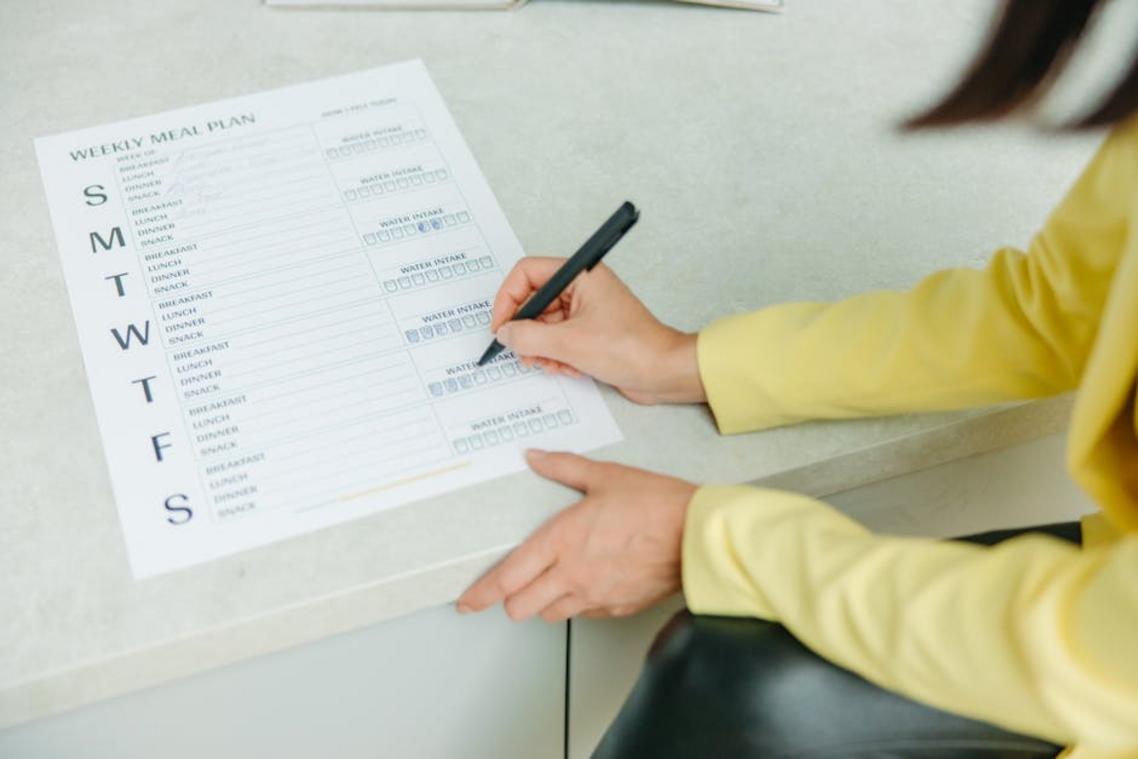
If staring into the fridge at 6 p.m. feels like a daily episode of a cooking game show (minus the prize money), you need structure. The “Theme and Stack” method gives your week a predictable rhythm while keeping meals flexible and budget-conscious.
1. Start with Theme Nights
Theme nights reduce decision fatigue by assigning a category to each day. Think Meatless Monday, Taco Tuesday, or Pasta Wednesday. A theme isn’t a fixed recipe—it’s a guidepost. Tuesday might mean chicken tacos one week and black bean tacos the next. This simple framework turns chaos into a system (and yes, it makes grocery lists faster).
2. Master Ingredient Stacking
Ingredient stacking means choosing recipes that share core components so nothing goes to waste. Roast a whole chicken on Sunday. Use the meat for tacos on Tuesday, toss leftovers into a salad on Wednesday, and simmer the bones into broth for Thursday’s soup. One ingredient, multiple outcomes.
Some argue this sounds repetitive. But overlapping ingredients don’t mean identical meals—just smarter planning. Flavor profiles can shift dramatically with different spices and sauces.
3. Follow the “Cook Once, Eat Twice” Rule
Intentionally cook larger portions. A big batch of chili becomes rice bowls one night and loaded baked potatoes later in the week. This approach supports budget friendly meal planning without sacrificing nutrition.
4. Balance the Plate Simply
Use this formula: Protein + Vegetable + Smart Carb (a whole grain or starchy vegetable). It keeps meals satisfying without complex tracking.
For step-by-step organization, build your own weekly meal planning guide and repeat what works.
From Plan to Pantry: Creating a Flawless Shopping List
Think of your shopping list as a flight plan. Without it, you’re circling the store like a lost plane burning fuel (and patience). With it, you land smoothly—right at dinner time.
Start by consolidating your needs. Review your chosen recipes and write down every single ingredient required. If your weekly meal planning guide calls for cumin, cherry tomatoes, and coconut milk, list them all. This step is like gathering puzzle pieces before you start building; miss one, and the picture feels incomplete.
Next, cross-reference with your inventory. Check your pantry, fridge, and freezer, then cross off what you already have. Skipping this step is like buying a fifth phone charger because you forgot to look in the drawer. It wastes money and space.
Now organize your list by store layout—Produce, Dairy, Meat, Canned Goods, and so on. Grouping items this way turns your trip into a straight line instead of a zigzag marathon (your future self will thank you).
Finally, be specific with quantities. Write “2 yellow onions,” not just “onions.” Precision is the difference between cooking confidently and wondering why you have six extra onions rolling around your counter.
Execution is Everything: Smart Prep for a Seamless Week
A smooth week rarely happens by accident. It’s built during a focused Sunday Reset—60–90 minutes of “component prep.” That means preparing building blocks, not full meals (think Lego pieces, not the finished castle).
Some argue cooking entire meals saves more time. But batch-cooked dishes can feel repetitive by Wednesday. Component prep, by contrast, keeps flavors flexible and fresh.
| Full Meal Prep | Component Prep |
|—————|—————-|
| Same dish repeated | Mix-and-match meals |
| Higher burnout risk | More variety |
| Less flexibility | Faster midweek assembly |
High-impact prep tasks:
- Wash and chop vegetables (onions, bell peppers, carrots)
- Cook a batch of grains (quinoa, rice)
- Make a salad dressing for the week
- Marinate proteins (chicken, tofu)
- Portion out snacks into grab-and-go bags
Follow a weekly meal planning guide to pair these components creatively. (Future you will be grateful.)
By putting a simple plan in place, you’ve officially solved the ‘what’s for dinner?’ debate for the entire week. No more 5 p.m. fridge staring contests (we’ve all been there). The real win isn’t just tasty meals; it’s PEACE OF MIND. Decision fatigue—mental exhaustion from too many choices—fades when dinner is already decided.
Some people insist spontaneity is more fun. Sure. But scrambling nightly drains time and money. Instead, use this weekly meal planning guide and start small: map out your next three dinners. KEEP IT SIMPLE. Repeat next week. Momentum builds, stress shrinks, and your kitchen runs on YOUR RULES.
Bring Global Flavors to Your Table with Confidence
You came here looking for fresh culinary inspiration, smarter meal planning strategies, and a deeper connection to regional recipe traditions. Now you have the tools to explore global flavors, refine your cooking techniques, and turn everyday meals into something memorable.
The real challenge isn’t finding recipes — it’s staying consistent, organized, and inspired week after week. Without a clear plan, mealtime becomes stressful, repetitive, and time-consuming.
That’s where a structured approach makes all the difference.
Start using a weekly meal planning guide to map out your dishes, balance flavors, and reduce last-minute decisions. It simplifies your routine while keeping your table exciting and diverse.
If you’re ready to eliminate mealtime guesswork and cook with more confidence, explore our trusted culinary insights and practical planning resources today. Thousands of home cooks rely on our expert-backed strategies to make flavorful, stress-free meals every week.
Plan smarter. Cook better. Start now.